

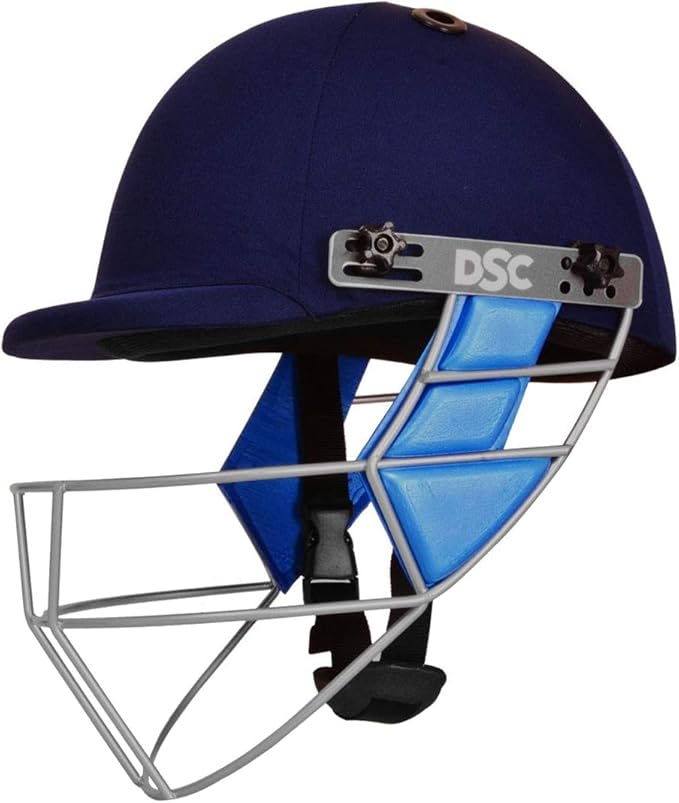
HELMET FOR CRICKET durable Cricket Helmet | Contemporary Design| Lightweight- 650g approx | Made in India.
DSC 1500212 Guard Cricket Helmet Small (Navy)
Original price was: ₹1,299.00.₹1,089.00Current price is: ₹1,089.00.
Description
Best 7 Helmet for Cricket Options to Ensure Maximum Protection and Performance
When it comes to cricket, safety should always be a top priority. Among the essential protective gear, a helmet for cricket plays a crucial role in safeguarding players against fast-paced deliveries, bouncers, and accidental collisions. Whether you’re a professional cricketer or a weekend enthusiast, choosing the right helmet ensures comfort, safety, and performance.
In this article, we explore the importance of using the right helmet for cricket, its features, types, safety tips, expert advice, and much more—everything you need to know to make an informed choice and stay protected on the field.
⸻
Why a Helmet for Cricket Is Essential
Protection from High-Speed Balls
Cricket balls can travel at speeds exceeding 90 mph. Helmets with reinforced outer shells protect the head from impact, reducing the chances of concussions and fractures.
Prevents Serious Injuries
The face guard shields the jaw, teeth, and eyes from injuries caused by fast deliveries or deflections off pads or bats.
Builds Confidence
Wearing a helmet instills confidence, allowing players to focus on their technique without fear of injury.
A well-designed helmet provides comfort, breathability, and stability, allowing players to perform at their best during long innings.
How the Right Helmet for Cricket Can Transform Your Game
A helmet for cricket is much more than a safety accessory. It is a confidence booster, a performance enhancer, and a long-term investment in your cricketing journey. With proper care, regular use, and the right selection, a helmet becomes an essential tool that allows you to focus entirely on the game rather than worrying about possible injuries.
⸻
Psychological Benefits of Wearing a Helmet for Cricket
Builds Mental Resilience
Wearing a helmet helps players feel secure even when facing high-speed bowlers or challenging pitches. This mental assurance encourages players to take calculated risks and explore aggressive shots without fear.
Reduces Anxiety
Players who experience anxiety about getting hit tend to overthink their game. A proper helmet helps mitigate fear and allows you to play naturally, making your technique smoother and more instinctive.
Encourages Discipline
Players accustomed to using protective gear, like helmets, tend to build better habits on the field. They become more aware of posture, movement, and timing—key elements for mastering cricket.
⸻
How a Helmet Supports Different Playing Conditions
Fast Bowlers
A helmet’s reinforced grille and shell offer protection from bouncers, yorkers, and rising deliveries, giving batters the confidence to tackle pace attacks.
Spin Bowlers
Even spin bowlers can bowl deceptive deliveries that hit sensitive areas. A helmet with proper padding safeguards players from unexpected edges or deflections.
Wet or Slippery Pitches
During rain-soaked matches, slips, dives, and accidental collisions increase. A helmet ensures safety in these unpredictable conditions, keeping you focused.
Night Matches
Playing under artificial lights can affect depth perception. A helmet with a clear grille and proper ventilation keeps players comfortable and alert, improving focus.
⸻
How to Match Helmet Features to Your Playing Style
Aggressive Batters
✔ Choose helmets with a full-face grille for maximum protection
✔ Lightweight models to allow freedom of movement
✔ Shock-resistant padding for repeated impacts
Defensive Players
✔ Models with adjustable visors for visibility
✔ High-density padding for absorbing soft and glancing blows
✔ Comfortable straps for long playing hours
All-Rounders
✔ Helmets that offer balanced protection without compromising weight
✔ Easy-to-adjust inner linings for multi-role adaptability
✔ Strong outer shell for versatility across batting, bowling, and fielding
Youth Players
✔ Models with extra cushioning and smaller sizes
✔ Lightweight designs to prevent fatigue
✔ Easy-to-use fastening systems for quick adjustments
⸻
Exploring Material Science Behind Cricket Helmets
ABS Plastic
ABS (Acrylonitrile Butadiene Styrene) is a high-strength plastic used in most helmets. It offers good shock resistance while remaining lightweight.
Carbon Fiber
More advanced helmets use carbon fiber composites, providing maximum protection at minimal weight. These are favored by professional cricketers.
Foam Padding
Multi-layer foam absorbs impact and reduces vibrations, ensuring that the force of a hit is dispersed across the surface rather than concentrated on one point.
Stainless Steel Grilles
The grille must be sturdy and rust-resistant. Stainless steel is preferred for its strength and durability.
Polycarbonate Shields
Some helmets feature transparent shields made from polycarbonate, offering protection while ensuring excellent visibility during play.
⸻
Hygiene and Care: Keeping Your Helmet in Top Condition
Cleaning Routine
✔ After each practice or match, wipe the helmet’s outer shell with a damp cloth
✔ Remove sweat-soaked padding and clean it with mild detergent
✔ Allow the helmet to air-dry thoroughly before storing
Storage Tips
✔ Store the helmet in a dry, cool place
✔ Avoid exposing it to direct sunlight for extended periods
✔ Use protective covers to prevent dust accumulation
Regular Inspections
✔ Check for cracks in the outer shell
✔ Inspect padding for compression or wear
✔ Ensure straps and fasteners are secure and functioning
Odor Control
✔ Use anti-microbial sprays or padding inserts
✔ Allow the helmet to air out between sessions
✔ Regular maintenance keeps both hygiene and performance intact
⸻
How Helmet Design Has Evolved Over the Years
Early Designs
Cricket helmets were initially made of heavy materials with minimal padding, offering limited protection.
Introduction of Grilles
The addition of face guards transformed safety by protecting critical areas like the jaw and eyes.
Lightweight Materials
Modern helmets prioritize lightweight designs that maintain durability while reducing neck strain during long matches.
Customizable Padding
Advancements in foam technology allow helmets to fit individual head shapes, offering a snug and protective experience.
Enhanced Ventilation
New designs incorporate strategically placed vents to prevent overheating and improve airflow.
⸻
Myths and Facts About Helmets for Cricket
Myth 1: Helmets Reduce Visibility
✔ Fact – Modern helmets feature ergonomic designs and clear visors that enhance vision while ensuring protection.
Myth 2: Helmets Are Only for Fast Bowlers
✔ Fact – Even slow bowlers can deliver deliveries that deflect unexpectedly. Helmets are necessary for safety at all levels.
Myth 3: All Helmets Are the Same
✔ Fact – Helmets vary significantly in material, padding, certification, and weight. Choosing the right helmet is crucial for safety.
Myth 4: Helmets Are Uncomfortable
✔ Fact – Advances in padding and ventilation ensure comfort even during long training sessions or competitive matches.
⸻
How to Fit a Helmet for Cricket Perfectly
1.Head Circumference Measurement – Use a measuring tape to ensure you select the correct size
2.Check for Snug Fit – The helmet should sit firmly without excessive tightness
3.Strap Adjustment – Secure the chin strap comfortably to prevent slippage
4.Grille Alignment – Ensure the grille covers critical areas without obstructing vision
5.Test Movement – Simulate batting motion to ensure the helmet stays in place
⸻
Helmets for Cricket: A Guide for Different Age Groups
Youth Helmets
✔ Extra cushioning
✔ Lighter materials
✔ Easy adjustment mechanisms
Adult Helmets
✔ Stronger materials like carbon fiber or reinforced ABS
✔ More advanced ventilation and padding
✔ Adjustable visors for different conditions
Professional Helmets
✔ Highest level of impact resistance
✔ Custom-fitted padding
✔ Enhanced airflow and sweat management
⸻
Incorporating Helmets Into Team Safety Policies
✔ Helmets should be mandatory during batting and wicketkeeping
✔ Teams should inspect equipment regularly
✔ Younger players should be educated on proper usage
✔ Training sessions should include safety drills focusing on helmet fit and wear
✔ Encourage players to carry spare padding and maintenance kits
⸻
Testimonials: Why Players Trust the Right Helmet for Cricket
Ankit Raj – State-Level Cricketer
“Wearing a high-quality helmet changed how I approach the game. It gave me the confidence to face faster bowlers without hesitation.”
Priya Sharma – Women’s Cricket Player
“I used to worry about injuries and headshots during matches. After switching to a certified helmet, my performance improved because I could focus completely on technique.”
Coach Vivek Tiwari
“I always recommend investing in the best helmet. Many injuries are preventable if players use equipment that fits well and offers proper protection.”
⸻
Final Thoughts
Choosing the right helmet for cricket is a decision that directly impacts your safety, comfort, and performance. With advancements in technology, materials, and design, today’s helmets provide unmatched protection while enhancing gameplay.
From beginners to seasoned professionals, every player benefits from wearing a helmet that fits perfectly, meets safety standards, and offers comfort during long sessions. Regular maintenance and proper care ensure the helmet remains reliable for years to come.
Protect your head, boost your confidence, and focus fully on the game by selecting the best cricket helmet tailored to your playing style and level.
Stay safe, play hard, and let your helmet be your trusted partner on the field!
⸻
Key Features to Look for in a Helmet for Cricket
Strong Outer Shell
✔ High-quality ABS plastic or carbon fiber material
✔ Provides excellent resistance against impact
✔ Lightweight yet durable for prolonged use
Comfortable Inner Padding
✔ Shock-absorbing foam lining
✔ Adjustable padding for a snug fit
✔ Reduces vibrations and pressure points
Protective Face Guard
✔ Stainless steel grille or polycarbonate visor
✔ Prevents injuries to the eyes and jaw
✔ Adjustable positioning for comfort and protection
Adjustable Straps
✔ Secure fastening system for stability
✔ Easy to adjust for different head sizes
✔ Keeps the helmet firmly in place during intense play
Ventilation
✔ Well-placed air vents
✔ Allows airflow to prevent overheating
✔ Enhances comfort during long matches
⸻
Types of Helmets for Cricket
1. Batting Helmets
✔ Specifically designed for facing fast deliveries
✔ Includes full face guard and padding
✔ Lightweight design for ease of movement
2. Wicketkeeping Helmets
✔ Offers slightly different coverage
✔ Allows better visibility and breathability
✔ Comfortable for quick reflexes and crouching positions
3. Training Helmets
✔ Used during practice sessions
✔ Offers moderate protection at lower cost
✔ Ideal for beginners and youth players
4. Custom Helmets
✔ Tailored to individual head shapes
✔ Allows customization in padding, ventilation, and design
✔ Preferred by professional players for added comfort
⸻
How to Choose the Right Helmet for Cricket
Consider Your Playing Position
Batting helmets require more face protection, while wicketkeeping helmets need lightweight materials and better airflow.
Check for Certification
Look for helmets that meet safety standards such as BIS (Bureau of Indian Standards) or ISI certification to ensure durability and impact resistance.
Fit and Comfort
Choose a helmet that fits snugly but doesn’t feel tight. Adjustable straps and padding should allow for quick adjustments.
Budget vs. Features HELMET FOR CRICKET
While expensive helmets offer advanced protection and comfort, beginner players can opt for basic models without compromising safety.
Weight and Mobility HELMET FOR CRICKET
A helmet that’s too heavy can cause neck strain, while a lightweight model helps maintain balance and control.
⸻
How to Maintain and Care for Your Helmet for Cricket
✔ Clean the outer shell regularly with mild soap and water
✔ Wipe the padding after each use to prevent odor buildup
✔ Store the helmet in a dry, cool place to avoid moisture damage
✔ Check the grille and straps for wear and tear before each match
✔ Replace the helmet if there are cracks, loose padding, or compromised safety features
⸻
Safety Tips When Using a Helmet for Cricket
✔ Always wear the helmet when facing fast bowlers
✔ Check strap tightness before every session
✔ Replace the helmet after any significant impact
✔ Do not share helmets with others to prevent hygiene issues
✔ Practice wearing it during training to get used to its weight and feel
✔ Ensure the grille doesn’t obstruct your vision during shots
⸻
Expert Advice on Using a Helmet for Cricket
Coach Sanjay Verma – Cricket Trainer
“A proper helmet is as crucial as the bat or pads. Many players overlook it, but consistent use prevents injuries that could otherwise end careers. A lightweight helmet with adjustable padding is ideal for long matches.”
Dr. Asha Kapoor – Sports Physiotherapist
“Helmets with reinforced padding help absorb shock better. Players who face high-speed deliveries should prioritize helmets with certified protection and shock-resistant inner linings.”
Rohit Mehta – Former National Player
“When choosing a helmet, comfort is equally important as protection. A helmet that causes discomfort will distract you, reducing focus and performance.”
⸻
How Helmets for Cricket Support Youth and Amateur Players
✔ Provides safe practice environments
✔ Reduces fear while learning new shots
✔ Encourages proper posture and stance
✔ Prevents injuries from accidental collisions
✔ Offers confidence during matches against stronger opponents
⸻
Advanced Features in Modern Helmets for Cricket
Impact-Resistant Shells
Advanced materials like carbon fiber composites offer superior strength without adding extra weight.
Anti-Microbial Padding
Some helmets now feature padding treated with anti-microbial agents to prevent odor and bacterial buildup.
Adjustable Visors
Visors can be tilted or replaced based on playing conditions, allowing for optimal visibility without compromising protection.
Integrated Communication Systems
Professional models include spaces for communication devices, enhancing team coordination.
⸻
Common Mistakes to Avoid When Using a Helmet for Cricket
❌ Wearing an ill-fitting helmet that moves during play
❌ Ignoring maintenance routines, leading to hygiene and safety concerns
❌ Choosing a helmet based only on brand reputation without checking safety features
❌ Over-tightening straps, causing discomfort and restricted movement
❌ Not replacing helmets after impact or regular wear
⸻
How Regular Use of a Helmet Improves Performance
✔ Builds trust in protective gear
✔ Allows players to commit fully to shots without fear
✔ Encourages aggressive yet safe playing styles
✔ Improves posture and hand-eye coordination
✔ Supports long playing hours without strain or fatigue
⸻
FAQs About Helmet for Cricket
Q1: Can helmets be used for both practice and matches?
Yes, but it’s best to use certified, high-quality helmets for competitive play while opting for training helmets during practice sessions.
Q2: How often should I replace my helmet?
Replace helmets every 2–3 years or immediately if there’s any damage.
Q3: Can helmets cause overheating?
High-quality helmets with proper ventilation prevent overheating. Regular cleaning also improves airflow.
Q4: Are helmets mandatory in amateur cricket?
While regulations vary by league, wearing a helmet is strongly recommended for safety, especially when facing fast bowlers.
Q5: Can I use the same helmet for both cricket and other sports?
No. Cricket helmets are specifically designed to withstand cricket ball impacts and offer protection for the game’s unique conditions.
How the Right Helmet for Cricket Can Transform Your Game
A helmet for cricket is much more than a safety accessory. It is a confidence booster, a performance enhancer, and a long-term investment in your cricketing journey. With proper care, regular use, and the right selection, a helmet becomes an essential tool that allows you to focus entirely on the game rather than worrying about possible injuries.
⸻
Psychological Benefits of Wearing a Helmet for Cricket
Builds Mental Resilience
Wearing a helmet helps players feel secure even when facing high-speed bowlers or challenging pitches. This mental assurance encourages players to take calculated risks and explore aggressive shots without fear.
Reduces Anxiety
Players who experience anxiety about getting hit tend to overthink their game. A proper helmet helps mitigate fear and allows you to play naturally, making your technique smoother and more instinctive.
Encourages Discipline
Players accustomed to using protective gear, like helmets, tend to build better habits on the field. They become more aware of posture, movement, and timing—key elements for mastering cricket.
⸻
How a Helmet Supports Different Playing Conditions
Fast Bowlers
A helmet’s reinforced grille and shell offer protection from bouncers, yorkers, and rising deliveries, giving batters the confidence to tackle pace attacks.
Spin Bowlers
Even spin bowlers can bowl deceptive deliveries that hit sensitive areas. A helmet with proper padding safeguards players from unexpected edges or deflections.
Wet or Slippery Pitches
During rain-soaked matches, slips, dives, and accidental collisions increase. A helmet ensures safety in these unpredictable conditions, keeping you focused.
Night Matches
Playing under artificial lights can affect depth perception. A helmet with a clear grille and proper ventilation keeps players comfortable and alert, improving focus.
⸻
How to Match Helmet Features to Your Playing Style
Aggressive Batters
✔ Choose helmets with a full-face grille for maximum protection
✔ Lightweight models to allow freedom of movement
✔ Shock-resistant padding for repeated impacts
Defensive Players HELMET FOR CRICKET
✔ Models with adjustable visors for visibility
✔ High-density padding for absorbing soft and glancing blows
✔ Comfortable straps for long playing hours
All-Rounders HELMET FOR CRICKET
✔ Helmets that offer balanced protection without compromising weight
✔ Easy-to-adjust inner linings for multi-role adaptability
✔ Strong outer shell for versatility across batting, bowling, and fielding
Youth Players
HELMET FOR CRICKET
✔ Models with extra cushioning and smaller sizes
✔ Lightweight designs to prevent fatigue
✔ Easy-to-use fastening systems for quick adjustments
⸻
Exploring Material Science Behind Cricket HELMET FOR CRICKET
ABS Plastic
ABS (Acrylonitrile Butadiene Styrene) is a high-strength plastic used in most helmets. It offers good shock resistance while remaining lightweight.
Carbon Fiber
More advanced helmets use carbon fiber composites, providing maximum protection at minimal weight. These are favored by professional cricketers.
Foam Padding
Multi-layer foam absorbs impact and reduces vibrations, ensuring that the force of a hit is dispersed across the surface rather than concentrated on one point.
Stainless Steel Grilles
The grille must be sturdy and rust-resistant. Stainless steel is preferred for its strength and durability.
Polycarbonate Shields
Some helmets feature transparent shields made from polycarbonate, offering protection while ensuring excellent visibility during play.
HELMET FOR CRICKET
Hygiene and Care: Keeping Your Helmet in Top Condition
Cleaning Routine
✔ After each practice or match, wipe the helmet’s outer shell with a damp cloth
✔ Remove sweat-soaked padding and clean it with mild detergent
✔ Allow the helmet to air-dry thoroughly before storing
Storage Tips
✔ Store the helmet in a dry, cool place
✔ Avoid exposing it to direct sunlight for extended periods
✔ Use protective covers to prevent dust accumulation
Regular Inspections
✔ Check for cracks in the outer shell
✔ Inspect padding for compression or wear
✔ Ensure straps and fasteners are secure and functioning
Odor Control
✔ Use anti-microbial sprays or padding inserts
✔ Allow the helmet to air out between sessions
✔ Regular maintenance keeps both hygiene and performance intact
HELMET FOR CRICKET
How Helmet Design Has Evolved Over the Years
Early Designs
Cricket helmets were initially made of heavy materials with minimal padding, offering limited protection.
Introduction of Grilles
The addition of face guards transformed safety by protecting critical areas like the jaw and eyes.
Lightweight Materials
Modern helmets prioritize lightweight designs that maintain durability while reducing neck strain during long matches.
Customizable Padding
Advancements in foam technology allow helmets to fit individual head shapes, offering a snug and protective experience.
Enhanced Ventilation
New designs incorporate strategically placed vents to prevent overheating and improve airflow.
⸻
Myths and Facts About Helmets for Cricket
Myth 1: Helmets Reduce Visibility
✔ Fact – Modern helmets feature ergonomic designs and clear visors that enhance vision while ensuring protection.
Myth 2: Helmets Are Only for Fast Bowlers
✔ Fact – Even slow bowlers can deliver deliveries that deflect unexpectedly. Helmets are necessary for safety at all levels.
Myth 3: All Helmets Are the Same
✔ Fact – Helmets vary significantly in material, padding, certification, and weight. Choosing the right helmet is crucial for safety.
Myth 4: Helmets Are Uncomfortable
✔ Fact – Advances in padding and ventilation ensure comfort even during long training sessions or competitive matches.
⸻
How to Fit a Helmet for Cricket Perfectly
1.Head Circumference Measurement – Use a measuring tape to ensure you select the correct size
2.Check for Snug Fit – The helmet should sit firmly without excessive tightness
3.Strap Adjustment – Secure the chin strap comfortably to prevent slippage
4.Grille Alignment – Ensure the grille covers critical areas without obstructing vision
5.Test Movement – Simulate batting motion to ensure the helmet stays in place
HELMET FOR CRICKET
Helmets for Cricket: A Guide for Different Age Groups
Youth Helmets
✔ Extra cushioning
✔ Lighter materials
✔ Easy adjustment mechanisms
Adult Helmets HELMET FOR CRICKET
From beginners to seasoned professionals, every player benefits from wearing a helmet that fits perfectly, meets safety standards, and offers comfort during long sessions. Regular maintenance and proper care ensure the helmet remains reliable for years to come.
Protect your head, boost your confidence, and focus fully on the game by selecting the best cricket helmet tailored to your playing style and level.
Stay safe, play hard, and let your helmet be your trusted partner on the field!
⸻
Final Thoughts HELMET FOR CRICKET
Choosing the right helmet for cricket isn’t just about meeting rules—it’s about ensuring safety, comfort, and peak performance on the field. Whether you’re a seasoned player or just starting out, investing in a well-designed helmet protects you from injuries and boosts confidence.
With advancements in materials, padding technology, and ergonomic design, modern helmets provide unmatched protection without compromising mobility. Pair your helmet with proper maintenance, expert advice, and consistent practice to stay safe and play your best.
Don’t take chances with safety. Invest in a high-quality cricket helmet today and face every delivery with confidence!
Reviews
There are no reviews yet.