

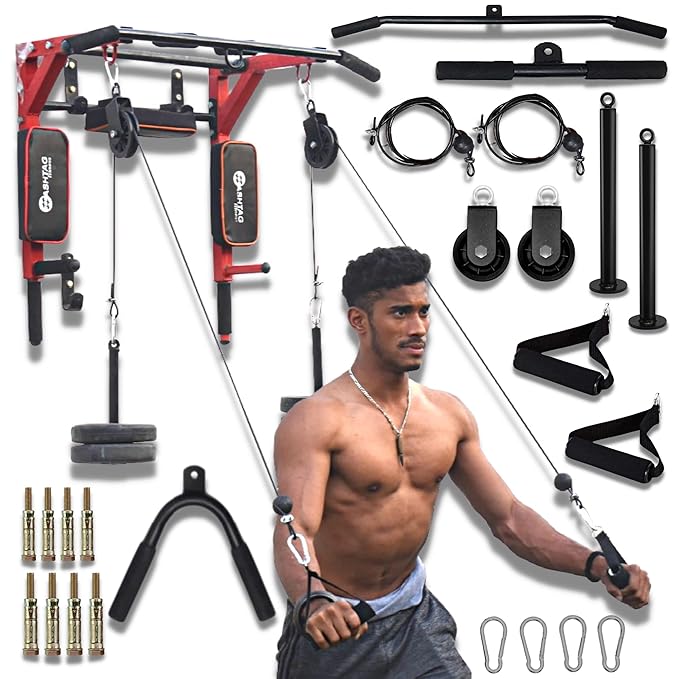
GYM FOR FITNESS designed the latest pulley system which rotates 360 degrees with gym accessories aftermarket research
Hashtag FItness gym pulley systems 7in1 wall mount pull up bar for home tricep rope with 360 degree gym pulley Upgraded LAT Pull Down Cable Machine Attachment
Original price was: ₹5,999.00.₹2,549.00Current price is: ₹2,549.00.
Description
About this item
GYM FOR FITNESS
Transform Your Health: Discover the Best Gym for Fitness Today
Types of Gyms for Fitness
Choosing the right gym for fitness starts with understanding the types of gyms available. Each caters to different goals and preferences.
Commercial Gyms
These are large-scale gyms offering a wide variety of equipment, group classes, personal training, and amenities like saunas or swimming pools. Ideal for people looking for comprehensive fitness options.
Boutique Gyms
Specialized gyms focusing on specific workouts such as strength training, HIIT, yoga, or cycling. They often provide personalized attention and a community atmosphere.
Home Gyms
For those preferring convenience, home gyms allow workouts anytime. Investing in equipment like dumbbells, resistance bands, and cardio machines can replicate professional gym routines.
CrossFit Gyms
Focused on high-intensity functional fitness, CrossFit gyms emphasize strength, endurance, and mobility through structured workouts and competitive elements.
Outdoor Fitness Parks
Some prefer open-air gyms with pull-up bars, parallel bars, and other functional training setups. These provide fresh air and a natural environment for workouts.
⸻
Benefits of Joining a Gym for Fitness
Comprehensive Workouts
Gyms offer equipment for strength, cardio, and flexibility training all in one place.
Motivation and Consistency
Being surrounded by like-minded individuals keeps you motivated. Regular visits foster discipline and consistency.
Access to Experts
Certified trainers can create personalized programs tailored to your goals and correct your form to prevent injuries.
Community Engagement
Group classes and social interactions enhance motivation, making workouts more enjoyable.
Monitoring Progress
Gyms provide tools like heart-rate monitors, fitness apps, and wearable devices to track improvements over time.
⸻
Designing an Effective Gym Workout
A structured routine ensures balanced fitness. A typical weekly plan could include:
•Strength Training: 3–4 days a week focusing on major muscle groups.
•Cardio: 3–5 sessions of running, cycling, or rowing.
•Flexibility Training: Stretching, yoga, or Pilates 2–3 times a week.
•Rest Days: At least 1–2 days for recovery and muscle repair.
Mixing intensity and types of exercises prevents plateaus and improves overall fitness.
⸻
Strength Training in the Gym
Strength training builds muscle, boosts metabolism, and enhances endurance. Key components include:
Free Weights
Dumbbells, barbells, and kettlebells offer versatile training for all muscle groups.
Machines
Machines provide guided movement, making them ideal for beginners or isolating specific muscles.
Resistance Bands
Lightweight, portable, and effective for progressive resistance training.
Functional Training
Ropes, medicine balls, and balance equipment improve coordination, agility, and core strength.
⸻
Cardio Workouts at the Gym
Cardio improves heart health, burns calories, and enhances stamina. Popular options include:
•Treadmills for running or walking.
•Stationary bikes for low-impact cardio.
•Rowing machines for full-body endurance.
•Ellipticals for smooth, joint-friendly workouts.
•Stair climbers to strengthen legs while burning fat.
⸻
Group Classes and Fitness Programs
High-Intensity Interval Training (HIIT)
Short bursts of maximum effort followed by rest periods. Effective for fat loss and improving cardiovascular capacity.
Yoga and Pilates
Enhances flexibility, core strength, and mind-body coordination.
Spin Classes
Indoor cycling classes that boost endurance and burn calories.
Dance Fitness
Zumba and similar classes combine fun with effective cardio workouts.
Circuit Training
Combines strength and cardio exercises for full-body workouts in a time-efficient manner.
⸻
Nutrition Tips for Gym-Goers
Nutrition plays a critical role in achieving fitness goals. Key guidelines include:
•Pre-Workout: Consume complex carbs and moderate protein for energy.
•Post-Workout: Focus on protein and healthy carbs to aid muscle recovery.
•Hydration: Drink adequate water before, during, and after workouts.
•Balanced Diet: Include lean proteins, whole grains, healthy fats, and vegetables.
•Supplements: Consider protein powders or multivitamins if needed, under professional guidance.
⸻
Recovery and Rest
Rest is as important as exercise. Overtraining can lead to fatigue and injuries. Key recovery strategies:
•Sleep 7–9 hours daily.
•Include active recovery like light walking or stretching.
•Use foam rollers or massage for muscle relief.
•Avoid skipping rest days; muscles grow during recovery, not workouts.
⸻
Common Gym Mistakes to Avoid
•Ignoring proper form, which increases injury risk.
•Using inappropriate weights for your fitness level.
•Overtraining without rest days.
•Skipping warm-up or cool-down routines.
•Neglecting hydration and nutrition.
⸻
Personal Training Advantages
Hiring a personal trainer can accelerate progress:
•Tailored workout plans for specific goals.
•Real-time form correction to prevent injuries.
•Motivation and accountability for consistent gym attendance.
•Expertise in advanced techniques for strength, mobility, and endurance.
⸻
Home Gym vs Commercial Gym
Home Gym Advantages
•Convenience and time-saving.
•Private environment.
•Cost-effective in the long term.
Commercial Gym Advantages
•Access to advanced equipment.
•Professional guidance.
•Social and motivational environment.
Many fitness enthusiasts use a combination: basic workouts at home and advanced sessions at the gym.
⸻
Gym Safety Tips
•Always warm up before starting exercises.
•Use proper footwear and gym attire.
•Check equipment for damages before use.
•Avoid lifting excessive weight.
•Be aware of surroundings to prevent accidents.
⸻
Tips to Stay Motivated
•Set achievable short-term and long-term goals.
•Track progress using fitness apps or journals.
•Join group classes for a social boost.
•Change routines periodically to avoid boredom.
•Reward yourself for milestones to reinforce positive habits.
⸻
Frequently Asked Questions
Q1: How often should I visit a gym for optimal fitness?
3–5 times a week is ideal for general health and muscle development.
Q2: Can beginners start without a trainer?
Yes, but initial guidance helps prevent injuries and ensures proper technique.
Q3: How long should workouts last?
45–90 minutes depending on intensity and fitness goals.
Q4: Are group classes effective?
Yes, they improve motivation, technique, and provide structured routines.
Q5: Can gyms help with weight management?
Absolutely. A combination of cardio, strength training, and proper nutrition promotes effective weight loss or gain.
⸻
Final Thoughts
A gym for fitness is an investment in health, confidence, and lifestyle. It provides access to professional equipment, structured routines, and a motivating environment.
Consistency, proper nutrition, recovery, and progressive training are key to achieving results. Choosing the right gym, whether commercial, boutique, or home-based, ensures that your fitness journey is effective, enjoyable, and sustainable.
Regular attendance and structured workouts transform not just your body but your mind, building discipline, resilience, and overall well-being.
Maintaining a healthy lifestyle requires consistency, discipline, and the right environment. A high-quality gym for fitness provides everything you need to achieve your health and performance goals. From state-of-the-art equipment to expert guidance, gyms offer a controlled space to improve strength, endurance, and overall wellness.
Whether you are a beginner or an advanced athlete, joining a gym for fitness ensures access to a variety of tools, classes, and resources tailored to your needs.
⸻
Why Choosing the Right Gym for Fitness Matters
The right gym makes a huge difference in motivation and results. A professional facility offers:
•Modern fitness equipment
•Certified personal trainers
•Organized workout zones
•Group classes and training programs
•A safe, clean, and supportive environment
Without the right environment, even the most disciplined individuals may struggle to stay consistent.
⸻
Key Features of a Quality Gym for Fitness
Equipment Variety
A well-equipped gym offers free weights, machines, cardio equipment, resistance bands, and functional training zones. Variety ensures all muscle groups are targeted effectively.
Professional Guidance
Certified trainers provide workout plans, form correction, and personalized advice. This reduces the risk of injury and maximizes results.
Clean and Safe Environment
Hygiene is crucial. Regularly cleaned equipment, safe flooring, and organized layouts create a positive workout atmosphere.
Group Classes
Classes like HIIT, yoga, spinning, and strength training offer structure and motivation. They also promote community among members.
Flexible Membership Options
Flexible packages allow you to choose a gym plan that fits your schedule and budget, encouraging consistency.
⸻
Benefits of Regular Gym Workouts
Improved Physical Health
Strength training, cardio, and flexibility exercises improve overall body strength, cardiovascular health, and endurance.
Weight Management
A structured gym routine helps in burning calories, building lean muscle, and controlling body fat.
Mental Wellness
Exercise releases endorphins, reducing stress, anxiety, and promoting better sleep.
Skill Development
Access to equipment and guidance allows learning new exercises and mastering techniques safely.
Social Interaction
Gyms create opportunities to meet like-minded individuals, share progress, and maintain motivation.
⸻
How to Choose the Perfect Gym for Fitness
1.Location and Accessibility – Convenience encourages regular attendance.
2.Equipment Quality – Check if machines, free weights, and cardio equipment are modern and well-maintained.
3.Certified Trainers – Trainers should have recognized certifications for safety and effectiveness.
4.Cleanliness and Safety – Hygienic spaces and proper maintenance are essential.
5.Membership Flexibility – Look for trial sessions, monthly plans, or pay-as-you-go options.
6.Class Offerings – Diverse group classes can make workouts enjoyable and varied.
⸻
Popular Gym Equipment for Fitness
Cardio Machines
Treadmills, ellipticals, and stationary bikes improve cardiovascular endurance.
Strength Machines
Targeted machines help build muscle safely and effectively.
Free Weights
Dumbbells, barbells, kettlebells, and medicine balls enhance strength training and functional fitness.
Functional Training Equipment
Resistance bands, ropes, stability balls, and balance trainers improve core strength and flexibility.
Specialized Equipment
Power racks, cable machines, and squat racks allow advanced workouts for athletes.
⸻
Tips for Maximizing Your Gym Workouts
•Warm up before each session to prevent injuries.
•Follow a balanced routine covering cardio, strength, and flexibility.
•Track progress using logs or fitness apps.
•Maintain proper form to prevent injuries.
•Stay hydrated and fuel your body with nutritious meals.
•Rest adequately to allow muscle recovery.
⸻
Group Classes and Their Benefits
HIIT (High-Intensity Interval Training)
Short bursts of intense exercise followed by rest. Great for fat burning and stamina.
Yoga and Pilates
Improves flexibility, balance, and mind-body coordination.
Spin Classes
Indoor cycling that enhances cardiovascular health and leg strength.
Zumba and Dance Fitness
Fun, high-energy workouts that combine cardio and coordination.
⸻
Gym Etiquette to Remember
•Wipe down equipment after use.
•Respect other members’ space.
•Re-rack weights after use.
•Arrive on time for classes.
•Follow the gym rules to ensure a safe and friendly environment.
⸻
Frequently Asked Questions
Q1: How often should I visit a gym for fitness?
For general health, 3–5 times a week is recommended.
Q2: Do I need a personal trainer?
Trainers are helpful for guidance, injury prevention, and motivation, especially for beginners.
Q3: How long should my workouts be?
A standard session lasts 45–90 minutes, depending on goals and intensity.
Q4: Can gyms help with weight loss?
Yes, structured workouts combined with a healthy diet accelerate fat loss and build lean muscle.
Q5: Is strength training suitable for all ages?
Yes, with proper guidance and equipment, strength training is safe and beneficial for all adults.
Types of Gyms for Fitness
Choosing the right gym for fitness starts with understanding the types of gyms available. Each caters to different goals and preferences.
Commercial GYM FOR FITNESS
These are large-scale gyms offering a wide variety of equipment, group classes, personal training, and amenities like saunas or swimming pools. Ideal for people looking for comprehensive fitness options.
Boutique Gyms
Specialized gyms focusing on specific workouts such as strength training, HIIT, yoga, or cycling. They often provide personalized attention and a community atmosphere.
Home Gyms
For those preferring convenience, home gyms allow workouts anytime. Investing in equipment like dumbbells, resistance bands, and cardio machines can replicate professional gym routines.
CrossFit Gyms
Focused on high-intensity functional fitness, CrossFit gyms emphasize strength, endurance, and mobility through structured workouts and competitive elements.
Outdoor Fitness Parks
Some prefer open-air gyms with pull-up bars, parallel bars, and other functional training setups. These provide fresh air and a natural environment for workouts.
⸻
Benefits of Joining a Gym for Fitness
Comprehensive Workouts
Gyms offer equipment for strength, cardio, and flexibility training all in one place.
Motivation and Consistency
Being surrounded by like-minded individuals keeps you motivated. Regular visits foster discipline and consistency.
Access to Experts
Certified trainers can create personalized programs tailored to your goals and correct your form to prevent injuries.
Community Engagement
Group classes and social interactions enhance motivation, making workouts more enjoyable.
Monitoring Progress
Gyms provide tools like heart-rate monitors, fitness apps, and wearable devices to track improvements over time.
⸻
Designing an Effective GYM FOR FITNESS
A structured routine ensures balanced fitness. A typical weekly plan could include:
•Strength Training: 3–4 days a week focusing on major muscle groups.
•Cardio: 3–5 sessions of running, cycling, or rowing.
•Flexibility Training: Stretching, yoga, or Pilates 2–3 times a week.
•Rest Days: At least 1–2 days for recovery and muscle repair.
Mixing intensity and types of exercises prevents plateaus and improves overall fitness.
⸻
Strength Training in the GYM FOR FITNESS
Strength training builds muscle, boosts metabolism, and enhances endurance. Key components include:
Free Weights
Dumbbells, barbells, and kettlebells offer versatile training for all muscle groups.
Machines
Machines provide guided movement, making them ideal for beginners or isolating specific muscles.
Resistance Bands
Lightweight, portable, and effective for progressive resistance training.
Functional Training
Ropes, medicine balls, and balance equipment improve coordination, agility, and core strength.
⸻
Cardio Workouts at the GYM FOR FITNESS
Cardio improves heart health, burns calories, and enhances stamina. Popular options include:
•Treadmills for running or walking.
•Stationary bikes for low-impact cardio.
•Rowing machines for full-body endurance.
•Ellipticals for smooth, joint-friendly workouts.
•Stair climbers to strengthen legs while burning fat.
⸻
Group Classes and Fitness ProgramsGYM FOR FITNESS
High-Intensity Interval Training (HIIT)
Short bursts of maximum effort followed by rest periods. Effective for fat loss and improving cardiovascular capacity.
Yoga and Pilates
Enhances flexibility, core strength, and mind-body coordination.
Spin Classes
Indoor cycling classes that boost endurance and burn calories.
Dance Fitness
Zumba and similar classes combine fun with effective cardio workouts.
Circuit Training GYM FOR FITNESS
Combines strength and cardio exercises for full-body workouts in a time-efficient manner.
⸻
Nutrition Tips for Gym-Goers GYM FOR FITNESS
Nutrition plays a critical role in achieving fitness goals. Key guidelines include:
•Pre-Workout: Consume complex carbs and moderate protein for energy.
•Post-Workout: Focus on protein and healthy carbs to aid muscle recovery.
•Hydration: Drink adequate water before, during, and after workouts.
•Balanced Diet: Include lean proteins, whole grains, healthy fats, and vegetables.
•Supplements: Consider protein powders or multivitamins if needed, under professional guidance.
⸻
Recovery and Rest GYM FOR FITNESS
Rest is as important as exercise. Overtraining can lead to fatigue and injuries. Key recovery strategies:
•Sleep 7–9 hours daily.
•Include active recovery like light walking or stretching.
•Use foam rollers or massage for muscle relief.
•Avoid skipping rest days; muscles grow during recovery, not workouts.
⸻
Common Gym Mistakes to Avoid GYM FOR FITNESS
•Ignoring proper form, which increases injury risk.
•Using inappropriate weights for your fitness level.
•Overtraining without rest days.
•Skipping warm-up or cool-down routines.
•Neglecting hydration and nutrition.
⸻
Personal Training Advantages GYM FOR FITNESS
Hiring a personal trainer can accelerate progress:
•Tailored workout plans for specific goals.
•Real-time form correction to prevent injuries.
•Motivation and accountability for consistent gym attendance.
•Expertise in advanced techniques for strength, mobility, and endurance.
⸻
Home Gym vs Commercial GYM FOR FITNESS
Home Gym Advantages
•Convenience and time-saving.
•Private environment.
•Cost-effective in the long term.
Commercial Gym Advantages GYM FOR FITNESS
•Access to advanced equipment.
•Professional guidance.
•Social and motivational environment.
Many fitness enthusiasts use a combination: basic workouts at home and advanced sessions at the gym.
⸻
Gym Safety Tips GYM FOR FITNESS
•Always warm up before starting exercises.
•Use proper footwear and gym attire.
•Check equipment for damages before use.
•Avoid lifting excessive weight.
•Be aware of surroundings to prevent accidents.
⸻
Tips to Stay Motivated GYM FOR FITNESS
•Set achievable short-term and long-term goals.
•Track progress using fitness apps or journals.
•Join group classes for a social boost.
•Change routines periodically to avoid boredom.
•Reward yourself for milestones to reinforce positive habits.
⸻
Frequently Asked Questions GYM FOR FITNESS
Q1: How often should I visit a gym for optimal fitness?
3–5 times a week is ideal for general health and muscle development.
Q2: Can beginners start without a trainer?
Yes, but initial guidance helps prevent injuries and ensures proper technique.
Q3: How long should workouts last?
45–90 minutes depending on intensity and fitness goals.
Q4: Are group classes effective?
Yes, they improve motivation, technique, and provide structured routines.
Q5: Can gyms help with weight management?
Absolutely. A combination of cardio, strength training, and proper nutrition promotes effective weight loss or gain.
Final ThoughtsGYM FOR FITNESS
A gym for fitness is more than just a place to exercise. It is a hub for growth, health, and community. Choosing the right gym ensures access to modern equipment, professional guidance, and an environment that motivates you to stay consistent.
Investing in a high-quality gym membership not only improves physical fitness but also mental well-being, confidence, and overall quality of life. Whether your goal is weight loss, muscle gain, or general wellness, a gym offers the tools and support needed to succeed.
Take the first step, find a gym that meets your needs, and start your journey toward a healthier, stronger, and more confident you.
Additional information
| COLOUR | RED, BLACK, BLUE |
|---|
Reviews
There are no reviews yet.