

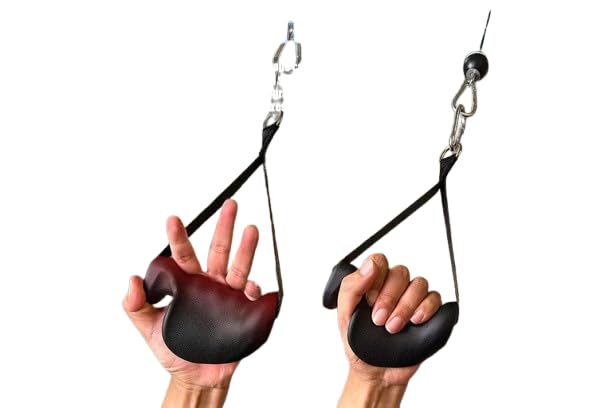
Grips for gym the cable handles are crafted to fit the natural contours of your hand, providing a comfortable grip and reducing hand fatigue
SQUAREFIT D Handle Grips Cable Machine Attachment for T-Bar Row, Tricep, Pull Exercise – Strength Training Handles for Home & Commercial Gym (Set of 1 Pair)
Original price was: ₹1,299.00.₹789.00Current price is: ₹789.00.
Description
Grips for Gym – Ultimate Guide to Strength and Safety
Advanced Uses of Grips for Gym
Once you have mastered the basics of grips, there are numerous ways to incorporate them into advanced strength training and functional workouts. Using grips effectively can improve grip endurance, boost performance in heavy lifts, and allow for more complex exercise routines.
1. Heavy Deadlifts and Rack Pulls
For powerlifters and serious strength athletes, grips are invaluable during heavy deadlifts. They allow for a secure hold without relying solely on forearm strength, which can be limiting during maximal lifts. Rack pulls, a partial range-of-motion deadlift, also benefit greatly from straps, reducing grip fatigue while targeting the upper back and traps.
2. Pull-Up Variations
Advanced athletes can use grips for weighted pull-ups, muscle-ups, and explosive pull-ups. The added security reduces the chance of slipping and helps maintain proper form throughout high-intensity repetitions. For climbers and gymnasts, grips simulate real-life hand protection while improving forearm endurance.
3. Olympic Lifting Assistance
Grips are extremely useful in snatches, cleans, and jerks, where the bar moves quickly and requires precise control. By preventing slippage and reducing friction, grips allow lifters to focus on technique and explosive power without worrying about calluses or torn skin.
4. CrossFit and Functional Training
Functional workouts often include high-repetition lifts, rope climbs, and kettlebell circuits. Grips help maintain performance throughout multiple rounds of training, protecting the hands and allowing for faster transitions between movements. This improves efficiency and reduces downtime due to hand discomfort.
5. Isolation Movements
Even small muscle exercises like bicep curls, tricep pushdowns, and lateral raises benefit from grips. They prevent over-reliance on the hands for stability, allowing the target muscles to do the work, and ensuring a more effective contraction.
⸻
How to Train Grip Strength with Gym Grips
While grips provide protection, they can also be used as a tool to develop grip strength over time. Advanced lifters often incorporate the following techniques:
1. Farmer’s Carries
Holding heavy dumbbells or kettlebells with grips challenges forearm and hand strength while improving core stability. Start with moderate weight and increase gradually.
2. Towel or Rope Pull-Ups
Using grips on a towel or rope adds instability, forcing the hands and forearms to work harder while enhancing grip endurance.
3. Plate Pinches
Pinching weight plates with grip assistance improves finger strength and hand coordination, crucial for deadlifts and pulling exercises.
4. Heavy Barbell Holds
Hold a barbell at the top of a deadlift or in a static position using grips. This trains both grip endurance and forearm stability, allowing for heavier lifts over time.
5. Wrist Roller Exercises
Attach a rope and weight to a wrist roller while using grips. Rolling the weight up and down strengthens the forearms and grip simultaneously.
⸻
Material Matters: Choosing the Best Grips
Different materials provide unique benefits depending on your lifting style and goals:
1. Leather Grips
•Durability: Long-lasting even under heavy loads
•Grip Security: Excellent friction and hold
•Comfort: Softens over time to fit the hand
2. Rubber or Silicone Grips
•Slip Resistance: Perfect for high-sweat workouts
•Easy Maintenance: Can be cleaned with water and mild soap
•Affordability: Generally cheaper than leather
3. Padded Synthetic Grips
•Comfort: Reduces hand fatigue and pressure points
•Versatility: Ideal for high-repetition circuits
•Protection: Good for beginners to prevent blisters
4. Hybrid Grips
•Combination: Offers leather durability with padding for comfort
•Multi-Use: Suitable for both heavy lifts and functional training
•Advanced Performance: Popular among CrossFit athletes and competitive lifters
⸻
Tips for Effective Use of Grips for Gym
1.Adjust Properly: Ensure straps or finger loops are snug but not restrictive.
2.Focus on Technique: Grips assist but don’t replace proper lifting form.
3.Gradual Progression: Increase weight and intensity over time while maintaining grip integrity.
4.Alternate Grip Styles: Switch between overhand, underhand, mixed, or hook grips to develop overall hand strength.
5.Combine with Wrist Support: Grips with wrist straps enhance safety and performance during heavy lifts.
⸻
Common Mistakes to Avoid
1.Over-Reliance: Using grips for every exercise may reduce natural grip development.
2.Poor Fit: Too tight can restrict blood flow, too loose can cause slipping.
3.Ignoring Maintenance: Dirty or worn grips can reduce friction and safety.
4.Neglecting Core Engagement: Even with grips, core and body alignment are essential.
5.Skipping Warm-Up: Hand and wrist warm-ups prevent strain and injury.
⸻
How Grips Enhance Home Gym Training
For home gym setups, grips are an inexpensive way to expand exercise possibilities without adding complex machines. They allow you to:
•Perform heavy lifts safely on limited equipment.
•Transition to more advanced exercises like pull-ups and kettlebell circuits.
•Protect hands during repetitive movements without professional supervision.
Investing in high-quality grips ensures durability, safety, and maximum training efficiency in a compact home gym environment.
⸻
Safety and Injury Prevention
While grips improve safety, incorrect use can still lead to injury:
•Always Secure Straps: Loose straps increase the risk of slippage.
•Avoid Excessive Weight: Don’t rely on grips to lift beyond your capability.
•Check Equipment: Ensure bars, dumbbells, and machines are safe and stable.
•Warm-Up Hands: Stretch fingers, wrists, and forearms before heavy exercises.
•Listen to Your Body: Discomfort or numbness indicates overuse or improper fit.
⸻
Maintenance and Longevity of Gym Grips
•Clean Regularly: Use mild soap and water for synthetic or rubber grips; leather grips can be wiped and conditioned.
•Air Dry: Avoid placing in direct sunlight for long periods to prevent cracking.
•Inspect: Look for fraying, loose stitching, or worn straps to prevent accidents.
•Store Properly: Keep in a dry, cool place to extend lifespan.
Proper maintenance ensures your grips remain effective, safe, and comfortable over time.
⸻
Expert Insights
Strength Coach Ravi:
“Grips are essential for serious lifting. They protect hands and allow you to focus on the movement rather than grip fatigue.”
Physiotherapist Sneha:
“Using grips correctly reduces the risk of blisters, calluses, and wrist strain, especially during high-repetition or high-intensity workouts.”
Fitness Trainer Arjun:
“For functional training, grips allow you to transition between exercises quickly while maintaining hand safety and performance.”
⸻
Conclusion
Grips for gym are indispensable tools for strength training, functional workouts, and overall hand protection. They improve grip strength, reduce injuries, enhance performance, and provide wrist support. Choosing the right material and style, maintaining proper fit, and incorporating them intelligently into your training ensures maximum benefits.
Whether in a commercial gym, home gym, or high-intensity functional training, grips allow lifters to handle heavier weights, perform more repetitions, and stay consistent with workouts. By investing in quality grips and using them properly, you can elevate your training experience, protect your hands, and achieve better results in strength, endurance, and functional fitness.
Grips for gym are essential accessories for anyone serious about weight training, strength building, or functional workouts. They help protect your hands, improve grip strength, and enhance performance during exercises like deadlifts, pull-ups, rows, and bench presses. Whether you’re a beginner or an advanced lifter, the right grips can make a significant difference in both safety and results.
This guide covers types of gym grips, their benefits, exercises, usage tips, and maintenance, helping you make an informed choice for your fitness routine.
⸻
What Are Grips for Gym?
Grips for gym are hand protection tools designed to reduce friction, prevent blisters, and enhance the hold on bars, dumbbells, kettlebells, and machines. They can be made from leather, rubber, or synthetic materials and may include wrist straps, finger loops, or full-hand coverage.
Unlike gloves, grips focus primarily on improving grip strength while providing minimal bulk, allowing for natural movement of the hands and fingers.
⸻
Benefits of Using Grips for Gym
1. Enhanced Grip Strength
Strong grips help maintain a firm hold during heavy lifts, improving lifting performance and enabling you to handle higher weights safely.
2. Reduced Hand Injuries
Grips protect the skin on your palms and fingers from calluses, blisters, and tears caused by friction against bars and machines.
3. Improved Performance
With a secure grip, you can focus on muscle engagement instead of worrying about slipping, leading to more effective workouts.
4. Wrist Support
Some grips include integrated wrist straps, which help stabilize the wrist and reduce strain during pressing and pulling movements.
5. Versatility
Grips can be used for a wide range of exercises including pull-ups, deadlifts, kettlebell swings, and rowing movements.
⸻
Types of Grips for Gym
1. Lifting Straps
Lifting straps wrap around your wrists and the bar to enhance your hold. They are ideal for heavy pulling exercises like deadlifts and barbell rows.
2. Padded Grips
These grips offer cushioning to reduce discomfort and prevent hand fatigue during extended workouts.
3. Leather Grips
Durable and long-lasting, leather grips are preferred by powerlifters and serious athletes for heavy lifting.
4. Fingerless Gloves with Grip Pads
These combine gloves and grips, offering both hand protection and a strong hold on equipment.
5. Full-Hand Wraps
Full-hand wraps provide maximum protection, covering palms, fingers, and sometimes wrists, ideal for high-repetition workouts or CrossFit training.
⸻
Popular Exercises Using Grips
1. Deadlifts
Using grips ensures a secure hold on the bar, reducing the risk of slippage and allowing you to lift heavier weights safely.
2. Pull-Ups and Chin-Ups
Grips help maintain tension in your forearms and back muscles without slipping, enhancing upper body development.
3. Rows
Whether using dumbbells, barbells, or cable machines, grips provide better control and reduce hand fatigue.
4. Bench Press
Grips improve hand positioning and stability, reducing strain on wrists while focusing on chest and triceps activation.
5. Kettlebell Swings
Grips prevent calluses and slipping during dynamic kettlebell exercises, allowing safer and more efficient movements.
6. CrossFit Movements
High-intensity workouts with rope climbs, cleans, or snatches benefit from grips to protect hands and maintain performance under fatigue.
⸻
How to Choose the Right Grips for Gym
1. Material:
Leather for durability, silicone/rubber for slip resistance, and padded synthetic for comfort.
2. Fit:
Ensure the grips fit snugly without restricting movement or circulation.
3. Type of Exercise:
Choose lifting straps for heavy pulling, padded grips for high-repetition training, and full-hand wraps for intense functional workouts.
4. Durability:
High-quality grips last longer and provide consistent support, even under heavy loads.
5. Ease of Use:
Look for grips that are easy to put on and take off while maintaining a secure fit during exercises.
⸻
Tips for Using Grips Effectively
•Always wrap or position the grip properly to prevent slippage.
•Combine grips with proper lifting technique for maximum safety and effectiveness.
•Avoid over-tightening straps, which can restrict blood flow.
•Replace worn-out grips to maintain consistent protection and grip strength.
•Wash grips regularly if they are fabric-based to maintain hygiene.
⸻
Maintenance of Gym Grips
•Clean Regularly: Wipe leather or synthetic grips after use to remove sweat and bacteria.
•Dry Properly: Allow grips to air dry completely to prevent mold or odor.
•Inspect for Wear: Replace grips if stitching, material, or straps are damaged.
•Store in a Cool, Dry Place: Avoid leaving grips in humid or hot areas to extend their lifespan.
⸻
Common Mistakes with Gym Grips
•Using grips too loosely, which can lead to slipping and injuries.
•Relying solely on grips instead of improving natural grip strength.
•Ignoring the importance of wrist support in heavier lifts.
•Failing to replace worn grips, leading to inconsistent performance.
⸻
Expert Recommendations
Strength Coach Anil:
“Grips are a game-changer for anyone lifting heavy weights. They protect your hands, allow you to lift more safely, and improve confidence during workouts.”
Physiotherapist Priya:
“Using the right grips reduces calluses, prevents blisters, and minimizes wrist strain. They are especially useful for high-volume workouts and functional training.”
Fitness Trainer Raj:
“For beginners, padded grips are perfect. As you progress, leather or strap-based grips provide better performance for heavier lifts.”
⸻
Benefits for Different Fitness Levels
Beginners:
Protect hands, improve confidence, and reduce friction while learning proper form.
Intermediate Lifters:
Enhance grip endurance and allow gradual progression with heavier weights.
Advanced Athletes:
Support maximal lifts, reduce fatigue, and enable high-intensity functional training.
Rehabilitation Users:
Offer controlled grip support while minimizing strain on recovering joints and muscles.
⸻
Conclusion
Grips for gym are indispensable tools for anyone serious about fitness, strength training, or functional workouts. They provide safety, improve grip strength, enhance performance, and protect hands from injuries. Choosing the right type based on material, fit, and exercise style ensures maximum benefits. Regular maintenance and proper usage prolong lifespan and effectiveness.
Investing in high-quality gym grips allows you to lift heavier, train longer, and stay consistent without hand fatigue or injury. Whether for home gym use or professional fitness settings, grips are a small accessory that delivers major impact on performance and results.
Advanced Uses of Grips for Gym
Once you have mastered the basics of grips, there are numerous ways to incorporate them into advanced strength training and functional workouts. Using grips effectively can improve grip endurance, boost performance in heavy lifts, and allow for more complex exercise routines.
1. Heavy Deadlifts and Rack Pulls
For powerlifters and serious strength athletes, grips are invaluable during heavy deadlifts. They allow for a secure hold without relying solely on forearm strength, which can be limiting during maximal lifts. Rack pulls, a partial range-of-motion deadlift, also benefit greatly from straps, reducing grip fatigue while targeting the upper back and traps.
2. Pull-Up Variations
Advanced athletes can use grips for weighted pull-ups, muscle-ups, and explosive pull-ups. The added security reduces the chance of slipping and helps maintain proper form throughout high-intensity repetitions. For climbers and gymnasts, grips simulate real-life hand protection while improving forearm endurance.
Grips for gym
3. Olympic Lifting Assistance
Grips are extremely useful in snatches, cleans, and jerks, where the bar moves quickly and requires precise control. By preventing slippage and reducing friction, grips allow lifters to focus on technique and explosive power without worrying about calluses or torn skin.
4. CrossFit and Functional Training Grips for gym
Functional workouts often include high-repetition lifts, rope climbs, and kettlebell circuits. Grips help maintain performance throughout multiple rounds of training, protecting the hands and allowing for faster transitions between movements. This improves efficiency and reduces downtime due to hand discomfort.
5. Isolation Movements Grips for gym
Even small muscle exercises like bicep curls, tricep pushdowns, and lateral raises benefit from grips. They prevent over-reliance on the hands for stability, allowing the target muscles to do the work, and ensuring a more effective contraction.
⸻
How to Train Grip Strength with Gym Grips Grips for gym
While grips provide protection, they can also be used as a tool to develop grip strength over time. Advanced lifters often incorporate the following techniques:
1. Farmer’s Carries Grips for gym
Holding heavy dumbbells or kettlebells with grips challenges forearm and hand strength while improving core stability. Start with moderate weight and increase gradually.
2. Towel or Rope Pull-Ups Grips for gym
Using grips on a towel or rope adds instability, forcing the hands and forearms to work harder while enhancing grip endurance.
3. Plate Pinches Grips for gym
Pinching weight plates with grip assistance improves finger strength and hand coordination, crucial for deadlifts and pulling exercises.
4. Heavy Barbell Holds Grips for gym
Hold a barbell at the top of a deadlift or in a static position using grips. This trains both grip endurance and forearm stability, allowing for heavier lifts over time.
5. Wrist Roller Exercises Grips for gym
Attach a rope and weight to a wrist roller while using grips. Rolling the weight up and down strengthens the forearms and grip simultaneously.
⸻
Material Matters: Choosing the Best Grips
Different materials provide unique benefits depending on your lifting style and goals:
1. Leather Grips
•Durability: Long-lasting even under heavy loads
•Grip Security: Excellent friction and hold
•Comfort: Softens over time to fit the hand
2. Rubber or Silicone GripsGrips for gym
•Slip Resistance: Perfect for high-sweat workouts
•Easy Maintenance: Can be cleaned with water and mild soap
•Affordability: Generally cheaper than leather
3. Padded Synthetic Grips Grips for gym
•Comfort: Reduces hand fatigue and pressure points
•Versatility: Ideal for high-repetition circuits
•Protection: Good for beginners to prevent blisters
4. Hybrid GripsGrips for gym
•Combination: Offers leather durability with padding for comfort
•Multi-Use: Suitable for both heavy lifts and functional training
•Advanced Performance: Popular among CrossFit athletes and competitive lifters
⸻
Tips for Effective Use of Grips for Gym
1.Adjust Properly: Ensure straps or finger loops are snug but not restrictive.
2.Focus on Technique: Grips assist but don’t replace proper lifting form.
3.Gradual Progression: Increase weight and intensity over time while maintaining grip integrity.
4.Alternate Grip Styles: Switch between overhand, underhand, mixed, or hook grips to develop overall hand strength.
5.Combine with Wrist Support: Grips with wrist straps enhance safety and performance during heavy lifts.
⸻
Common Mistakes to Avoid Grips for gym
1.Over-Reliance: Using grips for every exercise may reduce natural grip development.
2.Poor Fit: Too tight can restrict blood flow, too loose can cause slipping.
3.Ignoring Maintenance: Dirty or worn grips can reduce friction and safety.
4.Neglecting Core Engagement: Even with grips, core and body alignment are essential.
5.Skipping Warm-Up: Hand and wrist warm-ups prevent strain and injury.
⸻
How Grips Enhance Home Gym Training Grips for gym
For home gym setups, grips are an inexpensive way to expand exercise possibilities without adding complex machines. They allow you to:
•Perform heavy lifts safely on limited equipment.
•Transition to more advanced exercises like pull-ups and kettlebell circuits.
•Protect hands during repetitive movements without professional supervision.
Investing in high-quality grips ensures durability, safety, and maximum training efficiency in a compact home gym environment.
⸻
Safety and Injury Prevention Grips for gym
While grips improve safety, incorrect use can still lead to injury:
•Always Secure Straps: Loose straps increase the risk of slippage.
•Avoid Excessive Weight: Don’t rely on grips to lift beyond your capability.
•Check Equipment: Ensure bars, dumbbells, and machines are safe and stable.
•Warm-Up Hands: Stretch fingers, wrists, and forearms before heavy exercises.
•Listen to Your Body: Discomfort or numbness indicates overuse or improper fit.
⸻
Maintenance and Longevity of Gym Grips Grips for gym
•Clean Regularly: Use mild soap and water for synthetic or rubber grips; leather grips can be wiped and conditioned.
•Air Dry: Avoid placing in direct sunlight for long periods to prevent cracking.
•Inspect: Look for fraying, loose stitching, or worn straps to prevent accidents.
•Store Properly: Keep in a dry, cool place to extend lifespan.
Proper maintenance ensures your grips remain effective, safe, and comfortable over time.
⸻Grips for gym
Expert Insights
Grips for gym
Strength Coach Ravi:
“Grips are essential for serious lifting. They protect hands and allow you to focus on the movement rather than grip fatigue.”
Physiotherapist Sneha: Grips for gym
“Using grips correctly reduces the risk of blisters, calluses, and wrist strain, especially during high-repetition or high-intensity workouts.”
Fitness Trainer Arjun: Grips for gym
“For functional training, grips allow you to transition between exercises quickly while maintaining hand safety and performance.”
Grips for gym are indispensable tools for strength training, functional workouts, and overall hand protection. They improve grip strength, reduce injuries, enhance performance, and provide wrist support. Choosing the right material and style, maintaining proper fit, and incorporating them intelligently into your training ensures maximum benefits.
Whether in a commercial gym, home gym, or high-intensity functional training, grips allow lifters to handle heavier weights, perform more repetitions, and stay consistent with workouts. By investing in quality grips and using them properly, you can elevate your training experience, protect your hands, and achieve better results in strength, endurance, and functional fitness.
Reviews
There are no reviews yet.