

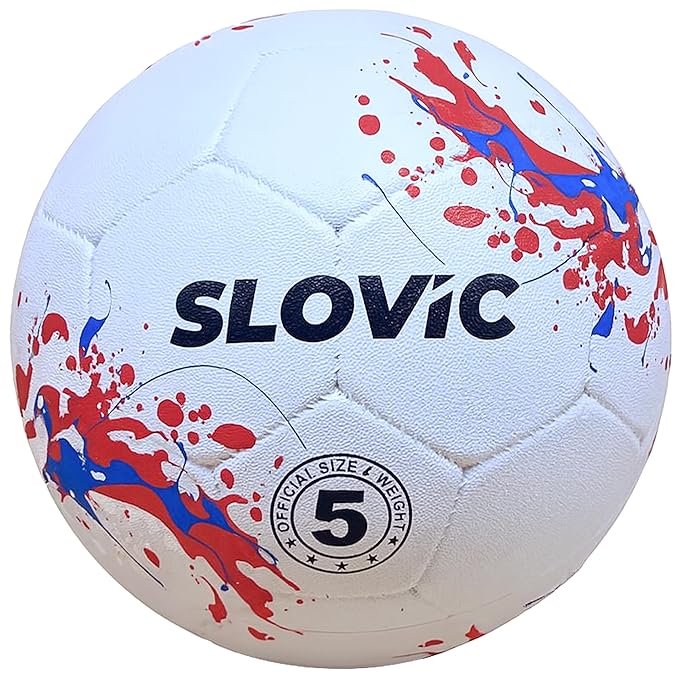
Football for playing is designed for players who demand durability, performance, and versatility. Crafted with high-quality materials
SLOVIC Professional Football [Size-5] | Hard Ground Foot-Ball | Ideal for Grass Ground & Artificial Turf | Training Foot Ball | Soccer Ball | Footballs for Men & Women
Original price was: ₹699.00.₹399.00Current price is: ₹399.00.
Description
Product information
Discover the Best Football for Playing – Top Tips for Choosing the Perfect Match Ball
Understanding Different Types of Footballs for Playing
Choosing the right football depends on several factors. Size, material, construction, and intended playing surface all matter.
Size Guide
•Size 5: Standard adult football, 410–450g, for ages 12+. Used in professional matches.
•Size 4: Youth football, 350–390g, for ages 8–12. Lightweight and easier to handle.
•Size 3: Small football, 300–320g, for children under 8. Perfect for learning control.
Selecting the correct size improves skill development and reduces injury risk.
Understanding Different Types of Footballs for Playing
Choosing the right football depends on several factors. Size, material, construction, and intended playing surface all matter.
Size Guide
•Size 5: Standard adult football, 410–450g, for ages 12+. Used in professional matches.
•Size 4: Youth football, 350–390g, for ages 8–12. Lightweight and easier to handle.
•Size 3: Small football, 300–320g, for children under 8. Perfect for learning control.
Selecting the correct size improves skill development and reduces injury risk.
⸻
Material Matters
Polyurethane (PU):
Soft touch, durable, water-resistant. Ideal for competitive play.
Polyvinyl Chloride (PVC):
Budget-friendly, durable for recreational use, slightly harder feel.
Leather:
Traditional choice, premium feel, but heavier and absorbs water. Best for dry conditions.
⸻
Ball Construction
Stitched Footballs:
Hand-stitched balls are classic, durable, and provide a natural feel.
Machine-stitched Footballs:
Affordable, consistent quality, and suitable for practice sessions.
Thermally Bonded Balls:
Seamless design reduces water absorption and ensures uniform bounce. Perfect for rainy or outdoor matches.
⸻
Choosing Footballs Based on Playing Surface
Grass Fields
•Require firm, durable balls.
•PU or stitched balls provide optimal grip and control.
Artificial Turf
•Slightly firmer balls with reinforced covers.
•Reduces wear from abrasive surfaces.
Indoor Courts
•Softer surface footballs with smaller size.
•Less bounce, more control for fast-paced indoor games.
Beach Football
•Lighter, water-resistant, slightly softer.
•Handles sand resistance and uneven bounces.
⸻
Advantages of Using the Right Football
Enhanced Ball Control
Consistent bounce and response help players improve dribbling, passing, and shooting.
Durability
High-quality footballs maintain shape and color despite frequent play and exposure to elements.
Injury Prevention
Well-constructed footballs reduce strain on feet, ankles, and joints during intensive training or matches.
Boosts Confidence
Players feel more secure with a responsive, predictable ball. Focus remains on strategy and skill.
⸻
Tips for Maintaining Your Football
1.Clean Regularly: Remove dirt and debris after every session.
2.Store Properly: Avoid direct sunlight and damp conditions.
3.Check Air Pressure: Maintain optimal PSI to prevent deformation.
4.Rotate Balls: Alternate use to extend lifespan.
5.Inspect for Damage: Replace or repair balls with tears or worn panels.
⸻
Common Mistakes Players Make
•Using incorrect ball size for age or skill level.
•Playing on inappropriate surfaces without suitable balls.
•Ignoring proper inflation, affecting control and durability.
•Using worn-out or old balls that hinder skill development.
•Leaving balls exposed to harsh weather, causing damage.
⸻
Choosing the Perfect Football
Step 1: Identify Skill Level
Beginners benefit from softer, durable balls. Advanced players can invest in PU or thermally bonded balls.
Step 2: Consider Surface Type
Match the ball to playing surface: grass, artificial turf, indoor court, or beach.
Step 3: Check Size and Weight
Ensure the ball suits your age, experience, and strength.
Step 4: Durability Features
Look for reinforced stitching, bonded panels, or anti-abrasion covers.
Step 5: Brand Reputation
Choose reliable brands for consistent quality and long-lasting performance.
⸻
Popular Football Brands
•Adidas: Offers official match balls with superior grip and bounce.
•Nike: Lightweight, responsive balls for training and competition.
•Puma: Durable, stylish balls suitable for indoor and outdoor play.
•Mitre: Affordable, durable balls for training and recreational use.
•Select: Premium balls with advanced bladder technology for precise control.
⸻
Tips for Training with a Football
•Use balls suitable for your level and surface.
•Practice dribbling, passing, shooting, and ball control consistently.
•Alternate between lightweight training balls and match-quality balls for skill adaptation.
•Focus on both dominant and non-dominant foot skills.
⸻
Indoor vs Outdoor Football Practice
Indoor Practice:
•Use soft, slightly heavier balls for better control.
•Quick passes, tight spaces, and close control drills work best.
Outdoor Practice:
•Firm ground balls or thermally bonded balls handle rough surfaces.
•Long passes, volleys, and aerial control are emphasized.
⸻
Frequently Asked Questions Football for playing
Q1: What’s the ideal size for beginners?
Size 4 for youth, size 5 for adults. Beginners should start with lightweight, soft balls.
Q2: How to inflate a football correctly?
Use a pump with a pressure gauge. Follow recommended PSI (usually 8–12 PSI for size 5).
Q3: Can I use one football for multiple surfaces?
Yes, but performance is optimized when using surface-specific balls.
Q4: How long does a quality football last?
Professional-grade balls last multiple seasons; recreational balls may last 1–2 years depending on usage.
Q5: Are thermally bonded balls better than stitched balls?
Yes, they provide consistent bounce, water resistance, and seamless performance.
Investing in the right football for playing is crucial for comfort, skill improvement, and overall performance. From youth players to professional athletes, the right ball enhances training, reduces injuries, and boosts confidence.
High-quality materials, proper size, and surface-specific construction make a significant difference. Choosing the right ball ensures every match and practice session is productive, enjoyable, and safe.
With the proper football, players can focus entirely on their skills, teamwork, and strategy, reaching their full potential on the field.
Material Matters
Polyurethane (PU):
Soft touch, durable, water-resistant. Ideal for competitive play.
Polyvinyl Chloride (PVC):
Budget-friendly, durable for recreational use, slightly harder feel.
Leather:
Traditional choice, premium feel, but heavier and absorbs water. Best for dry conditions.
⸻
Ball Construction Football for playing
Stitched Footballs:
Hand-stitched balls are classic, durable, and provide a natural feel.
Machine-stitched Footballs:
Affordable, consistent quality, and suitable for practice sessions.
Thermally Bonded Balls:
Seamless design reduces water absorption and ensures uniform bounce. Perfect for rainy or outdoor matches.
⸻
Choosing Footballs Based on Playing Surface
Grass Fields
•Require firm, durable balls.
•PU or stitched balls provide optimal grip and control.
Artificial Turf
•Slightly firmer balls with reinforced covers.
•Reduces wear from abrasive surfaces.
Indoor Courts
•Softer surface footballs with smaller size.
•Less bounce, more control for fast-paced indoor games.
Beach Football
•Lighter, water-resistant, slightly softer.
•Handles sand resistance and uneven bounces.
⸻
Advantages of Using the Right Football
Enhanced Ball Control
Consistent bounce and response help players improve dribbling, passing, and shooting.
Durability
High-quality footballs maintain shape and color despite frequent play and exposure to elements.
Injury Prevention
Well-constructed footballs reduce strain on feet, ankles, and joints during intensive training or matches.
Boosts Confidence
Players feel more secure with a responsive, predictable ball. Focus remains on strategy and skill.
⸻
Tips for Maintaining Your Football
1.Clean Regularly: Remove dirt and debris after every session.
2.Store Properly: Avoid direct sunlight and damp conditions.
3.Check Air Pressure: Maintain optimal PSI to prevent deformation.
4.Rotate Balls: Alternate use to extend lifespan.
5.Inspect for Damage: Replace or repair balls with tears or worn panels.
⸻
Common Mistakes Players Make
•Using incorrect ball size for age or skill level.
•Playing on inappropriate surfaces without suitable balls.
•Ignoring proper inflation, affecting control and durability.
•Using worn-out or old balls that hinder skill development.
•Leaving balls exposed to harsh weather, causing damage.
⸻
Choosing the Perfect Football
Step 1: Identify Skill Level
Beginners benefit from softer, durable balls. Advanced players can invest in PU or thermally bonded balls.
Step 2: Consider Surface Type
Match the ball to playing surface: grass, artificial turf, indoor court, or beach.
Step 3: Check Size and Weight
Ensure the ball suits your age, experience, and strength.
Step 4: Durability Features
Look for reinforced stitching, bonded panels, or anti-abrasion covers.
Step 5: Brand Reputation
Choose reliable brands for consistent quality and long-lasting performance.
⸻
Popular Football Brands
•Adidas: Offers official match balls with superior grip and bounce.
•Nike: Lightweight, responsive balls for training and competition.
•Puma: Durable, stylish balls suitable for indoor and outdoor play.
•Mitre: Affordable, durable balls for training and recreational use.
•Select: Premium balls with advanced bladder technology for precise control.
⸻
Tips for Training with a Football
•Use balls suitable for your level and surface.
•Practice dribbling, passing, shooting, and ball control consistently.
•Alternate between lightweight training balls and match-quality balls for skill adaptation.
•Focus on both dominant and non-dominant foot skills.
⸻
Indoor vs Outdoor Football Practice
Indoor Practice:
•Use soft, slightly heavier balls for better control.
•Quick passes, tight spaces, and close control drills work best.
Outdoor Practice:
•Firm ground balls or thermally bonded balls handle rough surfaces.
•Long passes, volleys, and aerial control are emphasized.
⸻
Frequently Asked Questions
Q1: What’s the ideal size for beginners?
Size 4 for youth, size 5 for adults. Beginners should start with lightweight, soft balls.
Q2: How to inflate a football correctly?
Use a pump with a pressure gauge. Follow recommended PSI (usually 8–12 PSI for size 5).
Q3: Can I use one football for multiple surfaces?
Yes, but performance is optimized when using surface-specific balls.
Q4: How long does a quality football last?
Professional-grade balls last multiple seasons; recreational balls may last 1–2 years depending on usage.
Q5: Are thermally bonded balls better than stitched balls?
Yes, they provide consistent bounce, water resistance, and seamless performance.
⸻
Football for playing
Investing in the right football for playing is crucial for comfort, skill improvement, and overall performance. From youth players to professional athletes, the right ball enhances training, reduces injuries, and boosts confidence.
High-quality materials, proper size, and surface-specific construction make a significant difference. Choosing the right ball ensures every match and practice session is productive, enjoyable, and safe.
With the proper football, players can focus entirely on their skills, teamwork, and strategy, reaching their full potential on the field.
Playing football requires more than just skill; having the right football for playing makes a huge difference in performance, control, and enjoyment. A high-quality football ensures consistency during passes, shots, and dribbles, giving players confidence on the field.
Whether you are a beginner, amateur, or professional, choosing the right football enhances your game. From material and size to surface suitability, every factor plays a crucial role.
⸻
Why Choosing the Right Football for Playing Matters
Football is a game of precision. The right ball affects trajectory, bounce, and control. Poor-quality balls may deform, lose air, or react unpredictably.
Professional-grade footballs provide predictable movement, durable construction, and superior grip. They also improve skill development by giving players consistent feedback with every kick.
Using the correct football prevents injuries. An overly hard or poorly inflated ball can cause foot, ankle, or toe strain, especially during long practice sessions or matches.
⸻
Key Features of a High-Quality Football for playing
Material
Most footballs are made from synthetic leather, polyurethane (PU), or PVC. PU balls offer a premium feel, durability, and water resistance. PVC balls are cheaper and suitable for recreational play.
Construction Football for playing
•Stitched: Traditional hand-stitched balls are durable and provide a classic feel.
•Machine-stitched: Offers consistent quality and more affordable pricing.
•Thermally bonded: Seamless balls reduce water absorption and offer uniform bounce.
Bladder Type Football for playing
The bladder controls air retention and shape:
•Latex: Softer feel, ideal for professional play, but requires frequent inflation.
•Butyl: Better air retention, durable, and perfect for training sessions.
Weight and Size Football for playing
Standard adult football is size 5 (410–450g). Youth sizes (3 or 4) are lighter for easier handling. Correct size ensures proper skill development and control.
⸻
Choosing Football for Different Playing Surfaces Football for playing
Grass Fields Football for playing
Firm ground balls with proper stitching and durable PU material perform well on natural grass. They resist water and maintain shape even after sliding tackles.
Artificial Turf Football for playing
Balls for artificial turf often have reinforced surfaces and slightly firmer construction to withstand abrasive surfaces without wearing out quickly.
Indoor Courts
Indoor footballs are smaller, slightly heavier, and designed with softer covers to reduce rebound and allow better control on smooth floors.
Beach Football
Beach footballs are lighter, water-resistant, and slightly softer to compensate for sand resistance and unpredictable bounces.
⸻
Football for playing High-quality materials, proper size, and surface-specific construction make a significant difference. Choosing the right ball ensures every match and practice session is productive, enjoyable, and safe.
With the proper football, players can focus entirely on their skills, teamwork, and strategy, reaching their full potential on the field.
Playing football requires more than just skill; having the right football for playing makes a huge difference in performance, control, and enjoyment. A high-quality football ensures consistency during passes, shots, and dribbles, giving players confidence on the field.
Whether you are a beginner, amateur, or professional, choosing the right football enhances your game. From material and size to surface suitability, every factor plays a crucial role.
⸻
Why Choosing the Right Football for Playing Matters
Football is a game of precision. The right ball affects trajectory, bounce, and control. Poor-quality balls may deform, lose air, or react unpredictably.
Professional-grade footballs provide predictable movement, durable construction, and superior grip. They also improve skill development by giving players consistent feedback with every kick.
Using the correct football prevents injuries. An overly hard or poorly inflated ball can cause foot, ankle, or toe strain, especially during long practice sessions or matches.
Benefits of Investing in the Right Football
Enhanced Control Football for playing
High-quality footballs respond predictably to kicks, passes, and dribbles, allowing better ball handling.
Durability Football for playing
Premium balls maintain their shape, stitching, and color over time, even with frequent use.
Improved Training
Consistent performance helps develop technical skills like dribbling, passing, and shooting.
Comfort and Safety
Properly designed footballs reduce risk of injury during intense games.
Professional Feel Football for playing
Using the right ball gives players the same experience as competitive matches, building confidence.
⸻
Maintenance Tips for Your Football for playing
•Clean with a damp cloth after use to remove dirt and grass.
•Avoid leaving the ball under direct sunlight for long periods.
•Store in a cool, dry place to prevent deformation.
•Check and maintain proper air pressure. Overinflation or underinflation can damage the ball.
•Rotate balls if using multiple for practice to extend lifespan.
⸻
Common Mistakes to Avoid Football for playing
•Using the wrong size ball for your age or skill level.
•Playing on unsuitable surfaces without proper balls.
•Ignoring inflation levels, which can affect control and durability.
•Using worn-out balls for practice, which can hinder skill development.
•Leaving the ball outside in extreme weather, causing wear and tear.
⸻
Tips for Choosing the Perfect Football for Playing
1.Determine Your Skill Level: Beginners may opt for more durable, slightly softer balls; advanced players can invest in professional-grade PU balls.
2.Consider Surface Type: Match the ball to your playing field for consistent performance.
3.Check Weight and Size: Proper weight ensures control and reduces strain.
4.Look for Durability Features: Reinforced stitching or bonded panels prevent early wear.
5.Choose Trusted Brands: Reputable brands offer quality, consistency, and durability.
⸻
Popular Football Brands Football for playing
•Adidas: Known for official match balls with excellent grip and feel.
•Nike: Offers lightweight, responsive balls for training and competitive play.
•Puma: Durable, stylish balls suitable for indoor and outdoor use.
•Mitre: Great value footballs designed for training and recreational play.
•Select: Premium balls with advanced bladder technology for consistent performance.
⸻
Frequently Asked Questions
Q1: How do I know which size football to buy?
Size 5 for adults, size 4 for youths, and size 3 for children. Always follow age guidelines.
Q2: How often should I replace a football?
Depends on use. Professional-grade balls may last multiple seasons, while training balls may need replacement annually.
Q3: Can footballs be used on multiple surfaces?
Some balls are versatile, but optimal performance is achieved with surface-specific balls.
Q4: How do I inflate my football properly?
Use a manual or electric pump with a pressure gauge. Follow manufacturer’s recommended PSI.
Q5: Are thermally bonded balls better than stitched balls?
Thermally bonded balls are more water-resistant and provide uniform bounce, ideal for competitive play.
⸻
Final Thoughts Football for playing
Choosing the right football for playing is essential for performance, comfort, and skill development. Quality materials, proper sizing, and surface-appropriate construction make a big difference.
Invest in a durable, well-designed football to ensure consistency, enhance training sessions, and enjoy the game to its fullest. Whether for casual play, practice, or professional matches, the right football improves your experience on every level.
Reviews
There are no reviews yet.