


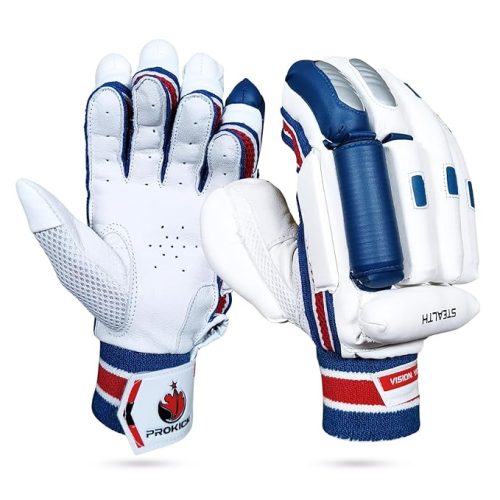
Cricket wicket keeping gloves Elevate your wicketkeeping game with the SS Reserve Edition Wicket Keeping Gloves – Adult Size (White).
SS Reserve Edition Wicket Keeping Gloves – Adult Size | White | Superior Grip & Protection | Fully Leather Lined
Original price was: ₹6,780.00.₹5,900.00Current price is: ₹5,900.00.
Description
Cricket Wicket Keeping Gloves – The Ultimate Guide for Aspiring and Pro Players
Cricket wicket keeping gloves are one of the most essential pieces of equipment for any wicketkeeper. They not only protect your hands from fast deliveries but also improve your grip and catching efficiency. Choosing the right gloves can make a significant difference in performance, comfort, and safety.
Whether you are a beginner, amateur, or professional cricketer, understanding the types, materials, features, and maintenance of wicket keeping gloves is vital. These gloves are designed to absorb impact, provide flexibility, and ensure durability, helping wicketkeepers perform at their best during long innings.
⸻
Importance of Cricket Wicket Keeping Gloves
Wicket keeping gloves are crucial because they serve multiple purposes:
•Protection: Prevent injuries from fast balls, edges, or deflections.
•Grip: Enhanced palm design ensures secure handling of the ball.
•Comfort: Padded and ergonomic designs reduce fatigue during long sessions.
•Durability: High-quality gloves withstand constant impact and repeated use.
•Performance: Proper gloves improve catching efficiency and overall wicketkeeping skills.
Using substandard gloves increases the risk of hand injuries and affects confidence behind the stumps.
Cricket wicket keeping gloves
Types of Cricket Wicket Keeping Gloves
1. Senior Gloves
Designed for adult players, these gloves offer maximum protection and comfort.
•Best for: Professional or amateur adult cricketers.
•Features: Adjustable wrist straps, high-quality leather, padded fingers.
•Tip: Ensure a snug fit without restricting finger movement.
2. Junior Gloves
Specifically designed for children or young players, junior gloves are lighter and easier to handle.
•Best for: Youth players and beginners.
•Features: Flexible materials, soft padding, adjustable straps.
•Tip: Always measure hand size to ensure a perfect fit.
3. Palm-Cut Gloves
Gloves with stitched or reinforced palms for better grip and flexibility.
•Best for: Players who prefer close ball control and tactile feedback.
•Features: Rubberized or latex palm patches, reinforced stitching.
•Tip: Suitable for both training and matches.
4. Finger-Cut Gloves
Focuses on extra protection for fingers with added padding.
•Best for: Fast bowlers’ deliveries or hard ball conditions.
•Features: Extra finger protection, ergonomic design.
•Tip: Ideal for competitive cricket or hard pitches.
⸻
Key Features to Consider Cricket wicket keeping gloves
When buying cricket wicket keeping gloves, consider the following:
•Material: Genuine leather for durability, PU for lightweight options.
•Padding: High-density foam to absorb shock and impact.
•Palm Design: Latex or rubberized palms for grip.
•Finger Protection: Extra padding or reinforced stitching to prevent injuries.
•Wrist Straps: Adjustable closures for secure fitting.
•Ventilation: Breathable mesh for comfort and sweat management.
The right combination of features ensures protection, comfort, and longevity.
⸻
Benefits of Using High-Quality Gloves Cricket wicket keeping gloves
Protection
High-quality gloves reduce the risk of finger injuries, bruises, and fractures.
Comfort
Ergonomic designs reduce fatigue, allowing wicketkeepers to stay alert throughout long sessions.
Grip
Advanced palm materials improve handling of both wet and dry balls.
Durability
Premium gloves withstand repeated impact, ensuring long-term performance.
Confidence
Wearing reliable gloves enhances confidence behind the stumps, contributing to better performance.
⸻
Materials Used in Cricket Wicket Keeping Gloves
•Leather: Durable, flexible, and provides a premium feel.
•PU (Polyurethane): Lightweight and cost-effective alternative.
•Foam Padding: Shock absorption and finger protection.
•Latex or Rubber Palm: For excellent grip and ball control.
•Mesh Panels: Ventilation to reduce sweating and improve comfort.
Each material plays a specific role in performance, safety, and comfort.
⸻
How to Choose the Right Size
1.Measure the circumference of your dominant hand around the palm.
2.Measure from the tip of the middle finger to the base of the palm.
3.Compare with the manufacturer’s sizing chart.
4.Ensure a snug fit without restricting finger movement.
A well-fitted glove improves control and prevents injuries.
⸻
Tips for Maintaining Cricket Wicket Keeping Gloves
•Cleaning: Wipe gloves with a damp cloth after each use.
•Drying: Air-dry naturally; avoid direct sunlight or heat sources.
•Storage: Keep in a cool, dry place; avoid compression in bags.
•Regular Inspection: Check for worn-out padding or loose stitching.
•Conditioning: Apply leather conditioner to maintain flexibility.
Proper maintenance prolongs the lifespan of your gloves and maintains performance.
⸻
Common Mistakes to Avoid
•Choosing gloves based on style rather than fit.
•Ignoring padding quality or finger protection.
•Using gloves for extended periods without cleaning.
•Buying oversized gloves that reduce ball control.
•Neglecting to replace worn-out gloves, risking hand injuries.
⸻
Playing Tips While Using Wicket Keeping Gloves
1.Keep fingers slightly spread for better ball control.
2.Use proper catching techniques, cushioning impact with gloves.
3.Practice with different types of balls to improve grip.
4.Adjust wrist straps for a secure and comfortable fit.
5.Rotate gloves if playing long sessions to reduce fatigue.
⸻
Types of Finger Protection
•Traditional Fingers: Standard padding for basic protection.
•Extra Finger Inserts: Reinforced finger protection for fast-paced cricket.
•Flexible Finger Rolls: Added flexibility without compromising safety.
Different types suit varying levels of cricket intensity and player preference.
⸻
Choosing Gloves for Different Conditions
Indoor Cricket
•Lightweight gloves with minimal padding work well.
•Focus on flexibility and grip.
Outdoor Cricket
•Gloves with extra finger padding and durable palm materials are preferred.
•Choose water-resistant materials for wet conditions.
Competitive Matches
•High-quality leather gloves with advanced padding and finger protection.
•Focus on durability, comfort, and performance.
⸻
Popular Brands for Cricket Wicket Keeping Gloves
•SG: Known for premium quality and durability.
•SS: Offers excellent grip and ergonomic design.
•Kookaburra: Stylish and high-performance gloves.
•GM (Gunn & Moore): Trusted for professional-level cricket.
•Puma & Adidas: Known for comfort and flexibility in training gloves.
Investing in reputable brands ensures performance, safety, and long-lasting use.
⸻
Expert Tips
•Always try gloves before buying to ensure a perfect fit.
•Replace gloves every 6-12 months depending on usage.
•Practice with gloves during training to get used to ball feel.
•Consider finger protection inserts for fast bowlers’ deliveries.
•Choose lightweight gloves for agility in quick wicketkeeping movements.
⸻
FAQs
Q1: How do I clean wicket keeping gloves?
•Wipe with a damp cloth and air-dry; use leather conditioner if applicable.
Q2: Can I use batting gloves instead?
•Batting gloves offer limited protection and are not recommended for wicketkeeping.
Q3: How tight should the gloves fit?
•Snug but comfortable; fingers should move freely without slipping.
Q4: Are finger inserts necessary?
•They are recommended for fast-paced cricket to prevent injuries.
Q5: How long do wicketkeeping gloves last?
•With proper care, high-quality gloves can last 1-2 years or longer.
⸻
Conclusion
Cricket wicket keeping gloves are crucial for both performance and safety. Choosing the right gloves based on size, material, padding, and type can dramatically improve catching, reduce injuries, and enhance confidence behind the stumps.
From beginners to professional players, investing in high-quality gloves ensures durability, comfort, and peak performance. Proper care and maintenance further extend their lifespan, making them a smart and essential investment for every cricketer.
A good pair of gloves protects, performs, and provides the confidence needed to excel in every match. Whether it’s training sessions, competitive matches, or casual games, having the right cricket wicket keeping gloves is a game-changer.
Advanced Features in Modern Wicket Keeping Gloves
Modern cricket wicket keeping gloves have evolved significantly. Advanced designs focus on not just protection but also agility, comfort, and performance:
•Ergonomic Finger Cuts: Many gloves now feature anatomically designed fingers that allow natural movement and reduce fatigue during long sessions.
•Shock-Absorbing Foam: Layers of high-density foam absorb high-velocity impacts from fast bowlers.
•Enhanced Palm Grip: Latex or specialized rubber palm textures help in wet or dry conditions, reducing the risk of dropped balls.
•Breathable Materials: Mesh inserts or perforated leather reduce sweat accumulation and increase airflow for extended comfort.
•Lightweight Construction: Innovations in materials ensure gloves remain light, allowing quicker hand movements.
These advancements make gloves suitable for high-performance cricket, providing confidence in all match situations.
⸻
Importance of Fit and Sizing
A critical factor in selecting gloves is fit and sizing. Poorly fitting gloves reduce control and increase injury risk. Consider the following when selecting:
•Length of Fingers: Gloves should cover fingers fully but not excessively. Excess length can cause awkward catching angles.
•Palm Width: Should match the natural width of your palm for maximum grip.
•Wrist Straps: Adjustable straps ensure snug fitting while allowing flexibility.
Remember, gloves that are too tight can cause discomfort, while loose gloves reduce control. Professional wicketkeepers often try multiple sizes before final selection.
⸻
Types of Finger Protection in Detail
Finger protection is crucial, especially against fast bowlers. Gloves differ in finger designs:
•Traditional Roll Fingers: Provide padding across the entire finger, suitable for amateur players.
•Extra Finger Inserts: Additional protection for fast bowlers’ deliveries. Ideal for high-speed cricket matches.
•Reinforced Finger Rolls: Ergonomically designed rolls that combine safety and flexibility.
Choosing the correct protection type ensures safety without compromising mobility.
⸻
Materials and Their Advantages
Leather
Leather is durable, flexible, and offers a premium feel. It molds to the hand over time, improving grip.
Polyurethane (PU)
Lightweight and affordable, PU gloves are suitable for beginners or training. They are easy to maintain but less durable than leather.
High-Density Foam
Used for shock absorption, reducing the impact of high-speed deliveries.
Latex/Rubber Palms
Enhanced grip in both dry and wet conditions. Essential for match-quality gloves.
Mesh Inserts
Improves ventilation and reduces sweat, enhancing comfort during long matches.
⸻
Choosing Gloves for Specific Conditions
Dry Conditions
•Smooth leather palms offer excellent grip.
•Lightweight gloves ensure agility.
Wet Conditions Cricket wicket keeping gloves
•Textured latex palms prevent slipping.
•Water-resistant gloves maintain shape and performance.
Indoor Training Cricket wicket keeping gloves
•Lightweight gloves with soft padding reduce fatigue.
•Focus on flexibility and comfort over extreme protection.
Cricket wicket keeping gloves
Tips for Maximizing Performance with Wicket Keeping Gloves
1.Practice Catching with Gloves: Familiarity improves reflexes and catching confidence.
2.Cushion the Ball: Absorb impact using both gloves, reducing rebound and injury.
3.Regular Adjustment: Keep wrist straps tight but comfortable to maintain control.
4.Rotate Gloves During Training: Reduces wear and maintains optimal grip.
5.Clean and Dry Gloves After Use: Enhances lifespan and performance.
⸻
Common Mistakes and How to Avoid Them
•Using Incorrect Size: Can reduce performance and increase risk of injury. Always measure your hand.
•Ignoring Maintenance: Dirty or wet gloves reduce grip and damage material.
•Using Training Gloves for Matches: Training gloves may lack advanced padding, increasing injury risk.
•Overlooking Finger Protection: Extra inserts are essential for fast-paced matches.
•Not Trying Gloves Before Buying: Always test comfort, flexibility, and grip.
⸻
Expert Recommendations
•Beginner Level: Lightweight PU gloves with basic finger protection. Focus on comfort and grip.
•Intermediate Level: Leather gloves with reinforced palms and moderate finger inserts.
•Professional Level: High-end leather gloves with advanced finger protection, latex palms, and ergonomic design.
Experts also advise rotating gloves, especially during long tournaments, to maintain performance and prevent hand fatigue.
⸻
Maintenance Guide for Longevity
Proper care ensures gloves last longer and perform optimally:
•Post-Match Cleaning: Wipe gloves with a damp cloth to remove dirt and sweat.
•Air Drying: Avoid heat sources; excessive heat can warp leather.
•Storage: Keep in a ventilated space, preferably on a glove hanger or padded storage box.
•Conditioning Leather: Apply leather conditioner periodically for flexibility.
•Inspection: Regularly check for worn padding, torn seams, or damage. Replace if necessary.
⸻
How Gloves Enhance Wicketkeeping Skills
•Improved Reflexes: Comfortable gloves allow quick hand movements.
•Better Grip: Latex palms reduce dropped catches.
•Confidence: Proper protection encourages aggressive and decisive catching.
•Reduced Fatigue: Ergonomic designs allow extended play without discomfort.
With the right gloves, a wicketkeeper can focus on positioning, anticipation, and technique rather than worrying about hand safety.
⸻
Popular Brands and Models
•SG Wicket Keeping Gloves: Known for durability and professional-grade padding.
•SS Gloves: Excellent grip and comfort; ideal for advanced players.
•Kookaburra: Stylish designs with reinforced finger protection.
•GM (Gunn & Moore): Premium leather gloves suitable for high-speed cricket.
•Adidas & Puma Training Gloves: Lightweight, comfortable for indoor or practice sessions.
Professional wicketkeepers often rotate between brands depending on conditions and personal preference.
⸻
Advanced Training Tips
•Simulated Fast Bowling: Practice catching balls at varying speeds to get used to impact.
•Footwork Drills: Gloves are effective only if combined with proper positioning and movement.
•One-Handed Catching: Develops reflexes and improves handling in tricky scenarios.
•Short-Session Rotations: Reduce fatigue and maintain peak glove performance.
•Regular Drills with Different Ball Types: Practice with hard, soft, and wet balls to improve adaptability.
⸻
FAQs About Wicket Keeping Gloves
Q1: How do I prevent my gloves from smelling?
•Air them out after matches, avoid storing in closed bags.
Q2: Can wicketkeeping gloves be used for training only?
•Yes, but match gloves provide better finger protection and grip.
Advanced Features in Modern Wicket Keeping Gloves
Modern cricket wicket keeping gloves have evolved significantly. Advanced designs focus on not just protection but also agility, comfort, and performance:
•Ergonomic Finger Cuts: Many gloves now feature anatomically designed fingers that allow natural movement and reduce fatigue during long sessions.
•Shock-Absorbing Foam: Layers of high-density foam absorb high-velocity impacts from fast bowlers.
•Enhanced Palm Grip: Latex or specialized rubber palm textures help in wet or dry conditions, reducing the risk of dropped balls.
•Breathable Materials: Mesh inserts or perforated leather reduce sweat accumulation and increase airflow for extended comfort.
•Lightweight Construction: Innovations in materials ensure gloves remain light, allowing quicker hand movements.
These advancements make gloves suitable for high-performance cricket, providing confidence in all match situations.
⸻
Importance of Fit and Sizing
A critical factor in selecting gloves is fit and sizing. Poorly fitting gloves reduce control and increase injury risk. Consider the following when selecting:
•Length of Fingers: Gloves should cover fingers fully but not excessively. Excess length can cause awkward catching angles.
•Palm Width: Should match the natural width of your palm for maximum grip.
•Wrist Straps: Adjustable straps ensure snug fitting while allowing flexibility.
Remember, gloves that are too tight can cause discomfort, while loose gloves reduce control. Professional wicketkeepers often try multiple sizes before final selection.
⸻
Types of Finger Protection in Detail
Finger protection is crucial, especially against fast bowlers. Gloves differ in finger designs:
•Traditional Roll Fingers: Provide padding across the entire finger, suitable for amateur players.
•Extra Finger Inserts: Additional protection for fast bowlers’ deliveries. Ideal for high-speed cricket matches.
•Reinforced Finger Rolls: Ergonomically designed rolls that combine safety and flexibility.
Choosing the correct protection type ensures safety without compromising mobility.
⸻
Materials and Their Advantages
Leather
Leather is durable, flexible, and offers a premium feel. It molds to the hand over time, improving grip.
Polyurethane (PU)
Lightweight and affordable, PU gloves are suitable for beginners or training. They are easy to maintain but less durable than leather.
High-Density Foam
Used for shock absorption, reducing the impact of high-speed deliveries.
Latex/Rubber Palms
Enhanced grip in both dry and wet conditions. Essential for match-quality gloves.
Mesh Inserts
Improves ventilation and reduces sweat, enhancing comfort during long matches.
⸻
Choosing Gloves for Specific Conditions Cricket wicket keeping gloves
Dry Conditions Cricket wicket keeping gloves
•Smooth leather palms offer excellent grip.
•Lightweight gloves ensure agility.
Wet Conditions Cricket wicket keeping gloves
•Textured latex palms prevent slipping.
•Water-resistant gloves maintain shape and performance.
Indoor Training Cricket wicket keeping gloves
•Lightweight gloves with soft padding reduce fatigue.
•Focus on flexibility and comfort over extreme protection.
⸻
Tips for Maximizing Performance with Cricket wicket keeping gloves
1.Practice Catching with Gloves: Familiarity improves reflexes and catching confidence.
2.Cushion the Ball: Absorb impact using both gloves, reducing rebound and injury.
3.Regular Adjustment: Keep wrist straps tight but comfortable to maintain control.
4.Rotate Gloves During Training: Reduces wear and maintains optimal grip.
5.Clean and Dry Gloves After Use: Enhances lifespan and performance.
⸻
Common Mistakes and How to Avoid Them Cricket wicket keeping gloves
•Using Incorrect Size: Can reduce performance and increase risk of injury. Always measure your hand.
•Ignoring Maintenance: Dirty or wet gloves reduce grip and damage material.
•Using Training Gloves for Matches: Training gloves may lack advanced padding, increasing injury risk.
•Overlooking Finger Protection: Extra inserts are essential for fast-paced matches.
•Not Trying Gloves Before Buying: Always test comfort, flexibility, and grip.
⸻
Expert Recommendations Cricket wicket keeping gloves
•Beginner Level: Lightweight PU gloves with basic finger protection. Focus on comfort and grip.
•Intermediate Level: Leather gloves with reinforced palms and moderate finger inserts.
•Professional Level: High-end leather gloves with advanced finger protection, latex palms, and ergonomic design.
Experts also advise rotating gloves, especially during long tournaments, to maintain performance and prevent hand fatigue.
⸻
Maintenance Guide for Longevity Cricket wicket keeping gloves
Proper care ensures gloves last longer and perform optimally:
•Post-Match Cleaning: Wipe gloves with a damp cloth to remove dirt and sweat.
•Air Drying: Avoid heat sources; excessive heat can warp leather.
•Storage: Keep in a ventilated space, preferably on a glove hanger or padded storage box.
•Conditioning Leather: Apply leather conditioner periodically for flexibility.
•Inspection: Regularly check for worn padding, torn seams, or damage. Replace if necessary.
⸻
How Gloves Enhance Wicketkeeping SkillsCricket wicket keeping gloves
•Improved Reflexes: Comfortable gloves allow quick hand movements.
•Better Grip: Latex palms reduce dropped catches.
•Confidence: Proper protection encourages aggressive and decisive catching.
•Reduced Fatigue: Ergonomic designs allow extended play without discomfort.
With the right gloves, a wicketkeeper can focus on positioning, anticipation, and technique rather than worrying about hand safety.
⸻
Popular Brands and Models Cricket wicket keeping gloves
•SG Wicket Keeping Gloves: Known for durability and professional-grade padding.
•SS Gloves: Excellent grip and comfort; ideal for advanced players.
•Kookaburra: Stylish designs with reinforced finger protection.
•GM (Gunn & Moore): Premium leather gloves suitable for high-speed cricket.
•Adidas & Puma Training Gloves: Lightweight, comfortable for indoor or practice sessions.
Professional wicketkeepers often rotate between brands depending on conditions and personal preference.
⸻
Advanced Training Tips Cricket wicket keeping gloves
•Simulated Fast Bowling: Practice catching balls at varying speeds to get used to impact.
•Footwork Drills: Gloves are effective only if combined with proper positioning and movement.
•One-Handed Catching: Develops reflexes and improves handling in tricky scenarios.
•Short-Session Rotations: Reduce fatigue and maintain peak glove performance.
•Regular Drills with Different Ball Types: Practice with hard, soft, and wet balls to improve adaptability.
⸻
FAQs About Cricket wicket keeping gloves
Q1: How do I prevent my gloves from smelling?
•Air them out after matches, avoid storing in closed bags.
Q2: Can wicketkeeping gloves be used for training only?
•Yes, but match gloves provide better finger protection and grip.
Q3: How often should professional players replace gloves?
•Typically every 6-12 months or sooner if padding wears out.
Q4: Can I customize gloves?
•Some brands offer personalized sizes, colors, and finger protection options.
Q5: Are expensive gloves worth it?
•For competitive cricket, premium gloves enhance performance and safety.
Cricket wicket keeping gloves are indispensable for both amateur and professional players. Proper gloves ensure protection, comfort, and optimal performance behind the stumps.
From beginners using lightweight PU gloves to professionals using high-end leather gloves with advanced finger inserts, choosing the right gloves is key. Regular maintenance, correct sizing, and awareness of conditions further enhance performance.
Investing in quality wicketkeeping gloves is not just about safety—it’s about building confidence, improving skills, and ensuring peak performance in every match. Every wicketkeeper deserves gloves that combine protection, comfort, and superior grip, making them an essential part of cricket gear.
Q3: How often should professional players replace gloves?
•Typically every 6-12 months or sooner if padding wears out.
Q4: Can I customize gloves?
•Some brands offer personalized sizes, colors, and finger protection options.
Q5: Are expensive gloves worth it?
•For competitive cricket, premium gloves enhance performance and safety.
⸻
Conclusion Cricket wicket keeping gloves
Cricket wicket keeping gloves are indispensable for both amateur and professional players. Proper gloves ensure protection, comfort, and optimal performance behind the stumps.
From beginners using lightweight PU gloves to professionals using high-end leather gloves with advanced finger inserts, choosing the right gloves is key. Regular maintenance, correct sizing, and awareness of conditions further enhance performance.
Investing in quality wicketkeeping gloves is not just about safety—it’s about building confidence, improving skills, and ensuring peak performance in every match. Every wicketkeeper deserves gloves that combine protection, comfort, and superior grip, making them an essential part of cricket gear.
Reviews
There are no reviews yet.