

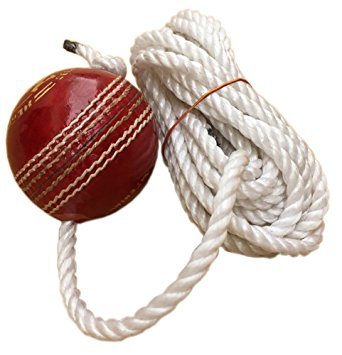
Ball for cricket Training ball with Cord Best for Batting Practice Sessions Improves hand-to-eye coordination
TIMA Leather Cricket Shot Practice Hanging Ball, String Cricket Ball and Knocking Cricket Ball with Rope (Multi-Color) (Pack of 1)
Original price was: ₹699.00.₹309.00Current price is: ₹309.00.
Description
Best 7 Ball for Cricket to Elevate Your Game and Improve Performance
Choosing the right ball for cricket is essential for both beginners and seasoned players. The ball affects every aspect of the game—from grip to swing, pace to spin, and even safety during matches. Whether you’re playing in a competitive tournament or practicing in the nets, selecting a high-quality ball enhances your skills and boosts confidence.
This comprehensive guide explores the best types of cricket balls, their construction, how to choose them, and how they impact performance, all designed to help you play at your best.
⸻
Why the Right Ball for Cricket Matters Ball for cricket
Performance Impact Ball for cricket
A cricket ball influences how you bowl, catch, and hit. A perfectly balanced ball ensures consistency and reliability during play.
Safety Considerations Ball for cricket
Hard cricket balls can cause injuries if mishandled. Selecting a ball designed for proper weight, seam strength, and grip reduces risk.
Skill Development Ball for cricket
Practicing with the right ball helps players improve swing, spin, and control. This leads to better technique and faster progress.
Durability Ball for cricket
Balls differ in material and stitching quality. Investing in a durable ball ensures longer usage without compromising performance.
Advanced Usage of the Ball for Cricket
For serious players and coaches, understanding how to use the cricket ball effectively can enhance every aspect of training and match play. Below are advanced strategies that go beyond basic handling and help you refine your skills.
Bowling Strategies with the Ball for Cricket
Swing Bowling Techniques
✔ Position the seam upright for conventional swing
✔ Practice release timing for inswing and outswing variations
✔ Adjust grip strength to control swing in different wind conditions
Seam Bowling Tips Ball for cricket
✔ Use finger pressure along the seam for movement off the pitch
✔ Alternate seam positions to create unpredictability
✔ Combine swing with seam to challenge batters
Spin Bowling Techniques
✔ Focus on wrist alignment and finger pressure for off-spin or leg-spin
✔ Experiment with drift and dip for deception
✔ Use variations like googlies or top-spins for advanced play
Batting Practice with Different Balls
Red Leather Ball Practice
✔ Time the ball’s bounce for front-foot and back-foot shots
✔ Improve hand-eye coordination by practicing with harder balls
White Leather Ball Practice
✔ Train in artificial lighting for night matches
✔ Work on reflexes with faster deliveries
Tennis Ball Drills
✔ Enhance quick reactions through rapid-fire bowling
✔ Practice fielding catches and close-range shots
⸻
Expert Tips for Handling Cricket Balls
Tip 1: Maintain Seam Awareness
Knowing how the seam interacts with airflow helps bowlers control swing and seam movement. Regular drills focusing on seam alignment build instinctive control.
Tip 2: Focus on Finger Pressure
Small adjustments in finger placement drastically impact spin and grip. Practice drills that emphasize precise finger positioning.
Tip 3: Develop Wrist Flexibility
Strong, flexible wrists improve spin deliveries and enhance power while batting. Include wrist rotations and stretching exercises in training.
Tip 4: Train Under Different Weather Conditions
Practice with balls in dry, humid, and wet environments to adapt to real match conditions. Use synthetic balls in humid areas and ensure proper grip maintenance.
Tip 5: Use Visual Feedback Tools
Record and review your grip and release techniques using video tools. Compare angles and finger positions to identify improvements.
⸻
Drills to Improve Ball Handling
1. Seam Alignment Drill
✔ Bowl 20 deliveries focusing solely on keeping the seam upright
✔ Use slow-motion recording to analyze seam placement
2. Grip Strength Drill
✔ Hold the ball in one hand for as long as possible
✔ Alternate hands and repeat daily to build endurance
3. Reaction Time Drill
✔ Practice catching tennis balls from different angles
✔ Focus on quick hand movements and positioning
4. Spin Variation Drill
✔ Bowl the same ball using different finger pressures
✔ Track how the spin alters ball trajectory
5. Batting Accuracy Drill
✔ Bowl balls with consistent seam position
✔ Practice hitting straight drives and defensive blocks
⸻
Safety Tips When Using Cricket Balls
Playing with a cricket ball requires caution, especially at high speeds. Follow these safety protocols:
✔ Always wear protective gear—gloves, helmets, pads
✔ Practice in open spaces away from crowds
✔ Use softer balls for beginners and youth players
✔ Warm up wrists, fingers, and forearms before drills
✔ Replace balls with cracks or damaged seams immediately
✔ Avoid slippery grips by wiping sweat with a towel during play
Safety awareness helps players enjoy the game while minimizing risks.
⸻
How to Store and Care for Your Cricket Ball
Proper maintenance extends the life of your cricket ball and ensures optimal performance.
Cleaning the Ball
✔ After each practice session, wipe the ball with a soft cloth
✔ Remove dust and mud from the surface gently
Conditioning the Leather
✔ Apply leather oil or wax to maintain suppleness
✔ Avoid overuse of polish that may weaken the seam
Proper Storage
✔ Keep the ball in a breathable bag or container
✔ Avoid storing in damp or humid conditions
✔ Use silica gel packs to prevent moisture buildup
Regular Inspection
✔ Check seam tightness and outer surface regularly
✔ Replace the ball when stitching begins to fray
⸻
Nutrition and Fitness Advice for Optimal Ball Control
Maintaining strength and flexibility supports ball handling and improves endurance during extended sessions.
✔ Protein Intake – Supports muscle repair for forearms, wrists, and shoulders
✔ Healthy Fats – Helps reduce joint inflammation and provides sustained energy
✔ Hydration – Prevents cramps and ensures steady hand coordination
✔ Stretching Routines – Incorporate wrist and finger stretches post-workout
✔ Forearm Strength Exercises – Include wrist curls and grip drills in daily routines
Combining nutrition with fitness ensures your body supports precise movements and grip strength.
⸻
Mental Focus Techniques to Enhance Ball Handling
Handling a cricket ball requires concentration, especially under pressure situations like fast bowling or quick catches.
✔ Practice breathing techniques to calm nerves before delivery
✔ Visualize perfect ball trajectory during training sessions
✔ Engage in mindfulness exercises to improve focus
✔ Use repetition and routine to build muscle memory
✔ Set small, achievable goals to track progress and boost motivation
A focused mind complements physical skills and improves performance consistency.
⸻
How to Train as a Team Using Cricket Balls
Team drills are essential for improving communication and cohesion.
✔ Pair bowlers and fielders to practice catching drills
✔ Rotate between batting and fielding exercises to build endurance
✔ Include group challenges like timed bowling sessions
✔ Organize friendly matches using tennis or synthetic balls for skill-building
✔ Use feedback sessions post-practice to refine techniques
Team training builds trust, coordination, and shared learning.
⸻
Real-Life Success Stories
Amit – Youth Cricketer
“At first, I struggled with catching the hard leather ball. But after consistent training with tennis balls and grip drills, my reflexes improved dramatically. Now I can field confidently in competitive matches.”
Priya – Spin Bowler
“I focused on wrist flexibility and finger pressure techniques. Practicing with cork core balls helped me perfect my spin variations. My bowling stats have improved, and I now bowl at a competitive level.”
Ravi – Weekend Player
“Switching between different balls during practice—red leather, white leather, and tennis—has made me adaptable. I’m more confident handling varying pitches and speeds during matches.”
⸻
FAQs About Cricket Balls
Q1: Can I practice with any ball regardless of type?
It’s best to choose the ball based on your skill level and practice goals. Beginners benefit from softer balls, while professionals need regulation balls.
Q2: How do I know if my ball is worn out?
Check for seam fraying, cracks, or surface wear. If the ball’s grip feels uneven, it’s time for a replacement.
Q3: How important is the seam for swing?
The seam plays a crucial role in controlling swing and seam movement. A clean, upright seam improves airflow and ball trajectory.
Q4: Can I use synthetic balls in all weather conditions?
Yes, synthetic balls are resistant to moisture and ideal for wet or humid environments.
Q5: What’s the best way to practice spin deliveries?
Use cork core or softer balls initially to perfect finger placement and wrist action before transitioning to harder, regulation balls.
The ball for cricket is more than just equipment—it’s a player’s tool for skill development, precision, and performance. By choosing the right ball based on your experience, training style, and safety needs, you can elevate your game and build long-lasting skills.
With proper care, focused training, expert guidance, and safe practices, handling a cricket ball becomes second nature. Whether you’re training alone, with friends, or in professional settings, mastering the ball’s grip, seam alignment, and movement opens the door to new levels of athletic excellence.
Start training today, practice regularly, and see how a simple change in equipment can transform your cricketing journey.
Best 7 Types of Balls for Cricket
1. Leather Ball – Red
✔ Used in Test matches and first-class cricket
✔ Hard outer shell for swing and bounce
✔ Seam stitching offers excellent grip for seam bowlers
Ideal for serious practice and professional matches.
2. Leather Ball – White Ball for cricket
✔ Common in limited-overs cricket like ODIs and T20s
✔ Bright color ensures visibility under lights
✔ Balanced weight and seam durability for consistent performance
Great for day and night matches.
3. Tennis Ball for Cricket
✔ Soft outer layer for safer practice
✔ Lightweight and easier for beginners
✔ Cost-effective and widely available
Perfect for casual or backyard games.
4. Cork Core Ball
✔ Combines cork center with leather cover
✔ Offers controlled bounce and seam strength
✔ Favored by spin bowlers for grip and flight
Best for training variations like off-spin and leg-spin.
5. Rubber Practice Ball
✔ Lightweight and soft for safe learning
✔ Reduces injury risk for kids and beginners
✔ Affordable and reusable
Great for coaching sessions and drills.
6. Synthetic Ball
✔ Durable polymer exterior for extended practice
✔ Maintains shape and seam without frequent maintenance
✔ Resistant to moisture and wear
Ideal for training in varied weather conditions.
7. Custom Training Ball
✔ Designed for targeted drills (e.g., swing, spin, grip training)
✔ Can be adjusted for weight and hardness
✔ Used by professional coaching academies
Enhances specific skills through controlled practice.
⸻
How Cricket Balls Are Constructed
✔ Core Material – Cork or rubber for bounce and shock absorption
✔ Outer Layer – Leather or synthetic materials for durability
✔ Seam Stitching – Strong thread ensures grip, control, and swing potential
✔ Weight Distribution – Balanced design aids in proper trajectory and handling
Understanding the structure helps you choose a ball that aligns with your playing style.
⸻
How to Choose the Right Ball for Cricket
For Beginners
✔ Opt for tennis or rubber balls
✔ Prioritize safety and ease of handling
✔ Look for soft surfaces to prevent injuries
For Intermediate Players
✔ Use white leather balls for one-day matches
✔ Practice seam position and swing techniques
✔ Focus on grip and control
For Advanced Players
✔ Choose red leather balls for longer formats
✔ Test seam variations, swing angles, and spin deliveries
✔ Prioritize balance and durability
⸻
How the Ball Affects Bowling Techniques
Seam Bowling
✔ Strong seam stitching helps bowlers get swing and seam movement
✔ Grip on the seam allows variations in release angles
Spin Bowling
✔ Smooth leather and cork core support flight and drift
✔ Seam pressure helps impart spin on the ball
Fast Bowling
✔ Heavier balls with firm core increase pace and bounce
✔ Proper balance ensures control during fast deliveries
⸻
Fielding and Catching Considerations
✔ Hard balls require protective gear like gloves
✔ Softer balls allow safer practice in casual games
✔ The ball’s seam aids in catching, ensuring better hand placement
✔ Regular maintenance (cleaning, polishing) enhances grip and durability
⸻
Maintaining Your Cricket Ball
Cleaning
✔ Wipe off dust and dirt with a soft cloth
✔ Use leather conditioner occasionally to keep it supple
Polishing
✔ Apply a thin coat of wax or polish for shine and smooth swing
✔ Avoid excessive polishing that wears out the seam
Storage
✔ Keep the ball in a dry, cool place
✔ Avoid damp bags that promote mold or damage
Inspection
✔ Check for seam loosening or cracks
✔ Replace worn-out balls to prevent injuries and inconsistent play
⸻
Nutrition and Fitness Tips for Using the Ball Effectively
✔ Hydrate well to maintain coordination and grip
✔ Strengthen forearm muscles for better control
✔ Stretch wrists and fingers before play to prevent strain
✔ Include shoulder mobility exercises to support bowling
✔ Balanced meals with proteins and healthy fats aid muscle recovery
⸻
How to Practice With Different Balls
Leather Balls
✔ Practice seam position and swing for accuracy
✔ Work on spin delivery using wrist and finger pressure
Tennis Balls
✔ Train reflexes and hand-eye coordination
✔ Practice quick catching and fielding drills
Synthetic Balls
✔ Simulate wet-weather conditions
✔ Practice grip maintenance and handling
Cork Core Ball for cricket
✔ Work on flight variations and spin angles
✔ Focus on wrist flexibility and release technique
⸻
FAQs About Ball for Cricket
Q1: What’s the difference between red and white balls?
Red balls are used in longer formats and swing easily, while white balls are visible under lights and used in shorter formats.
Q2: How often should I replace my cricket ball?
For professional matches, it’s replaced after a certain number of overs. For practice, inspect the seam and surface regularly and replace when worn.
Q3: Can beginners use leather balls safely?
Beginners should start with softer balls and gradually transition to leather balls under supervision.
Q4: How do I keep my ball shiny and playable?
Regular polishing and proper storage extend the life and performance of the ball.
Q5: Does the seam affect the ball’s swing?
Yes, a well-maintained seam helps bowlers achieve movement in the air and off the pitch.
Advanced Usage of the Ball for Cricket
For serious players and coaches, understanding how to use the cricket ball effectively can enhance every aspect of training and match play. Below are advanced strategies that go beyond basic handling and help you refine your skills.
Bowling Strategies with the Ball for Cricket
Swing Bowling Techniques Ball for cricket
✔ Position the seam upright for conventional swing
✔ Practice release timing for inswing and outswing variations
✔ Adjust grip strength to control swing in different wind conditions
Seam Bowling Tips Ball for cricket
✔ Use finger pressure along the seam for movement off the pitch
✔ Alternate seam positions to create unpredictability
✔ Combine swing with seam to challenge batters
Spin Bowling Techniques Ball for cricket
✔ Focus on wrist alignment and finger pressure for off-spin or leg-spin
✔ Experiment with drift and dip for deception
✔ Use variations like googlies or top-spins for advanced play
Batting Practice with Different Balls
Red Leather Ball Practice
✔ Time the ball’s bounce for front-foot and back-foot shots
✔ Improve hand-eye coordination by practicing with harder balls
White Leather Ball Practice Ball for cricket
✔ Train in artificial lighting for night matches
✔ Work on reflexes with faster deliveries
Tennis Ball Drills
✔ Enhance quick reactions through rapid-fire bowling
✔ Practice fielding catches and close-range shots
⸻
Expert Tips for Handling CricketBall for cricket
Tip 1: Maintain Seam Awareness
Knowing how the seam interacts with airflow helps bowlers control swing and seam movement. Regular drills focusing on seam alignment build instinctive control.
Tip 2: Focus on Finger Pressure
Small adjustments in finger placement drastically impact spin and grip. Practice drills that emphasize precise finger positioning.
Tip 3: Develop Wrist Flexibility
Strong, flexible wrists improve spin deliveries and enhance power while batting. Include wrist rotations and stretching exercises in training.
Tip 4: Train Under Different Weather Conditions
Practice with balls in dry, humid, and wet environments to adapt to real match conditions. Use synthetic balls in humid areas and ensure proper grip maintenance.
Tip 5: Use Visual Feedback Tools
Record and review your grip and release techniques using video tools. Compare angles and finger positions to identify improvements.
Ball for cricket
Drills to Improve Ball Handling Ball for cricket
1. Seam Alignment Drill
✔ Bowl 20 deliveries focusing solely on keeping the seam upright
✔ Use slow-motion recording to analyze seam placement
2. Grip Strength Drill
✔ Hold the ball in one hand for as long as possible
✔ Alternate hands and repeat daily to build endurance
3. Reaction Time Drill
✔ Practice catching tennis balls from different angles
✔ Focus on quick hand movements and positioning
4. Spin Variation Drill
✔ Bowl the same ball using different finger pressures
✔ Track how the spin alters ball trajectory
5. Batting Accuracy Drill
✔ Bowl balls with consistent seam position
✔ Practice hitting straight drives and defensive blocks
⸻
Safety Tips When Using Cricket Ball for cricket
Playing with a cricket ball requires caution, especially at high speeds. Follow these safety protocols:
✔ Always wear protective gear—gloves, helmets, pads
✔ Practice in open spaces away from crowds
✔ Use softer balls for beginners and youth players
✔ Warm up wrists, fingers, and forearms before drills
✔ Replace balls with cracks or damaged seams immediately
✔ Avoid slippery grips by wiping sweat with a towel during play
Safety awareness helps players enjoy the game while minimizing risks.
⸻
How to Store and Care for Your Cricket Ball Ball for cricket
Proper maintenance extends the life of your cricket ball and ensures optimal performance.
Cleaning the Ball
✔ After each practice session, wipe the ball with a soft cloth
✔ Remove dust and mud from the surface gently
Conditioning the Leather
✔ Apply leather oil or wax to maintain suppleness
✔ Avoid overuse of polish that may weaken the seam
Proper Storage
✔ Keep the ball in a breathable bag or container
✔ Avoid storing in damp or humid conditions
✔ Use silica gel packs to prevent moisture buildup
Regular Inspection
✔ Check seam tightness and outer surface regularly
✔ Replace the ball when stitching begins to fray
⸻
Nutrition and Fitness Advice for Optimal Ball Control
Maintaining strength and flexibility supports ball handling and improves endurance during extended sessions.
✔ Protein Intake – Supports muscle repair for forearms, wrists, and shoulders
✔ Healthy Fats – Helps reduce joint inflammation and provides sustained energy
✔ Hydration – Prevents cramps and ensures steady hand coordination
✔ Stretching Routines – Incorporate wrist and finger stretches post-workout
✔ Forearm Strength Exercises – Include wrist curls and grip drills in daily routines
Combining nutrition with fitness ensures your body supports precise movements and grip strength Ball for cricket
⸻
Mental Focus Techniques to Enhance Ball Handling Ball for cricket
Handling a cricket ball requires concentration, especially under pressure situations like fast bowling or quick catches.
✔ Practice breathing techniques to calm nerves before delivery
✔ Visualize perfect ball trajectory during training sessions
✔ Engage in mindfulness exercises to improve focus
✔ Use repetition and routine to build muscle memory
✔ Set small, achievable goals to track progress and boost motivation
A focused mind complements physical skills and improves performance consistency.
⸻
How to Train as a Team Using Cricket Ball for cricket
Team drills are essential for improving communication and cohesion.
✔ Pair bowlers and fielders to practice catching drills
✔ Rotate between batting and fielding exercises to build endurance
✔ Include group challenges like timed bowling sessions
✔ Organize friendly matches using tennis or synthetic balls for skill-building
✔ Use feedback sessions post-practice to refine techniques
Team training builds trust, coordination, and shared learning.
Ball for cricket
Real-Life Success Stories
Amit – Youth Cricketer
“At first, I struggled with catching the hard leather ball. But after consistent training with tennis balls and grip drills, my reflexes improved dramatically. Now I can field confidently in competitive matches.”
Priya – Spin Bowler
“I focused on wrist flexibility and finger pressure techniques. Practicing with cork core balls helped me perfect my spin variations. My bowling stats have improved, and I now bowl at a competitive level.”
Ravi – Weekend Player
“Switching between different balls during practice—red leather, white leather, and tennis—has made me adaptable. I’m more confident handling varying pitches and speeds during matches.”
⸻
FAQs About Cricket Balls
Q1: Can I practice with any ball regardless of type?
It’s best to choose the ball based on your skill level and practice goals. Beginners benefit from softer balls, while professionals need regulation balls.
Q2: How do I know if my ball is worn out?
Check for seam fraying, cracks, or surface wear. If the ball’s grip feels uneven, it’s time for a replacement.
Q3: How important is the seam for swing?
The seam plays a crucial role in controlling swing and seam movement. A clean, upright seam improves airflow and ball trajectory.
Q4: Can I use synthetic balls in all weather conditions?
Yes, synthetic balls are resistant to moisture and ideal for wet or humid environments.
Q5: What’s the best way to practice spin deliveries?
Use cork core or softer balls initially to perfect finger placement and wrist action before transitioning to harder, regulation balls.
Final Thoughts Ball for cricket
The ball for cricket is more than just an object—it’s the foundation of the game. From grip control to bowling accuracy, from batting power to fielding agility, the type of ball you choose directly influences your performance and safety.
Whether you’re a beginner experimenting with a tennis ball or an advanced player practicing with a red leather ball, selecting the right ball and maintaining it properly is essential. Integrate ball-specific exercises into your training, follow expert advice, and invest in quality equipment to enhance your skills.
With the right ball in hand, every practice session becomes an opportunity to refine technique, build confidence, and enjoy the game to its fullest.
Reviews
There are no reviews yet.