

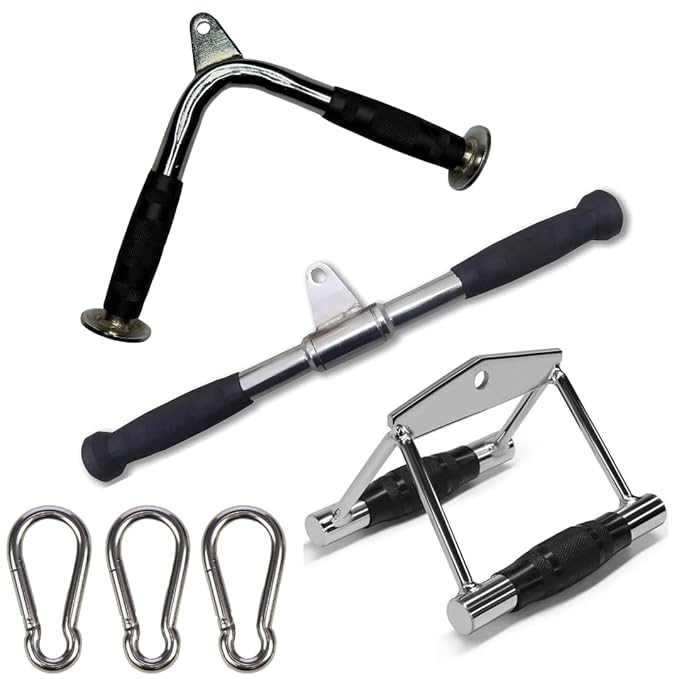
This weight training equipment high-quality single handle is made of strong iron and designed for use with block simulators
ITIFY Cable Machine Combo Pack – LAT Pulldown Bar, Seated Row Handle, Straight Bar & 3 Carabiner Clips Full Gym Attachment Ki
Original price was: ₹3,999.00.₹1,999.00Current price is: ₹1,999.00.
Description
Additional Information
| Manufacturer | Ms/ Ez Retails Khair nagar Meerut |
|---|---|
| Packer | EZ RETAILS , Khair Nagar, Chatri Wala Peer, Meerut 8791068870 |
| Item Weight | 500 g |
| Item Dimensions LxWxH | 15 x 15 x 5 Centimeters |
| Net Quantity | 1.0 Set |
| Included Components | V bar + Straight & Rowing Handle + 3 Snap Hook |
| Generic Name | Pulldown D Handle |
| Best Sellers Rank |
|
Weight Training Equipment – A Complete Guide for Every Fitness Enthusiast
Weight training equipment plays a vital role in building strength, improving endurance, and enhancing overall health. Whether you are a beginner or a seasoned athlete, having the right equipment helps you achieve your fitness goals safely and effectively. This guide covers the essential weight training equipment, benefits, usage tips, maintenance advice, and how to choose the best tools for your workout routine.
⸻
What Is Weight Training Equipment?
Weight training equipment refers to tools and devices used to strengthen muscles through resistance exercises. These tools help in progressive overload, which is crucial for muscle growth and endurance. Equipment ranges from free weights like dumbbells and barbells to machines and benches that assist in controlled workouts.
⸻
Types of Weight Training Equipment
1. Free Weights
Free weights are versatile and effective tools that help improve strength and stability.
•Dumbbells: Small, handheld weights ideal for isolating muscle groups.
•Barbells: Long bars with weight plates used for compound exercises like squats and deadlifts.
•Kettlebells: Round weights with handles, perfect for dynamic movements and functional training.
•Weight Plates: Adjustable plates that attach to barbells for progressive resistance.
2. Machines
Weight machines guide movements and are great for beginners learning proper form.
•Chest Press Machine: Targets the pectorals and shoulders safely.
•Leg Press Machine: Provides controlled lower body strengthening.
•Lat Pulldown Machine: Focuses on back and arm muscles.
•Cable Machines: Versatile for multiple muscle groups with adjustable pulley systems.
3. Benches and Racks
These support your workout by offering stability and safety.
•Flat and Incline Benches: Help perform exercises like bench press and dumbbell flys.
•Squat Racks: Assist with heavy lifts, ensuring proper form and reducing injury risk.
•Power Racks: Offer safety bars and adjustable heights for advanced lifting.
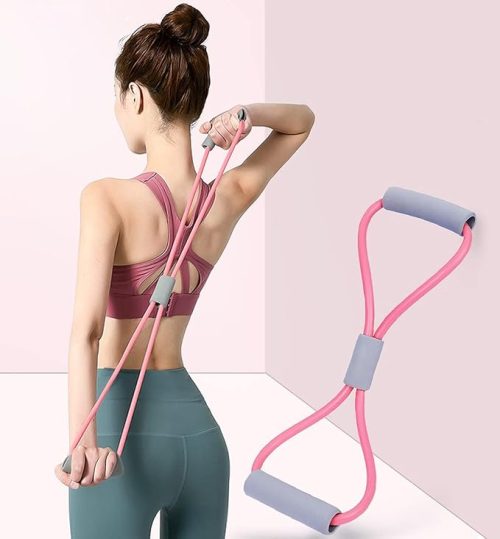
4. Resistance Bands
Portable and lightweight, bands add extra resistance and are great for warm-ups or rehab.
5. Accessories
•Weightlifting Belts: Support your lower back during heavy lifts.
•Wrist Wraps and Straps: Improve grip and prevent injuries.
•Foam Rollers: Aid in recovery and reduce muscle soreness.
⸻
Benefits of Using Weight Training Equipment
1.Builds Muscle Mass: Progressive resistance helps stimulate muscle growth.
2.Improves Bone Density: Weight-bearing exercises strengthen bones and reduce osteoporosis risk.
3.Enhances Functional Strength: Improves everyday movements like lifting, carrying, and posture.
4.Supports Weight Management: Combines with a proper diet to reduce body fat and boost metabolism.
5.Boosts Mental Health: Exercise reduces stress and anxiety while improving mood and confidence.
6.Injury Prevention: Proper equipment and form lower the chance of strains or sprains.
7.Increases Endurance: Regular use improves stamina for both athletic and daily activities.
⸻
Choosing the Right Weight Training Equipment
For Beginners
•Start with lighter weights like dumbbells and resistance bands.
•Use machines that guide your movements safely.
•Prioritize equipment that allows adjustable resistance.
For Intermediate Users
•Incorporate barbells and kettlebells for compound movements.
•Mix machine and free weight exercises for balanced workouts.
•Invest in benches, racks, and straps to expand exercise options.
For Advanced Users
•Use heavy-duty barbells and weight plates.
•Explore power racks for advanced lifting routines.
•Add accessories like belts and wraps to protect joints and enhance grip.
⸻
How to Use Weight Training Equipment Safely
1.Warm Up Before Exercise: Spend 5-10 minutes stretching or using resistance bands.
2.Start Light: Gradually increase weight as strength and form improve.
3.Focus on Form: Correct posture and movement prevent injuries.
4.Use a Spotter: For heavy lifts like bench press or squats, always have someone assist.
5.Rest Between Sets: Allow muscles to recover to avoid overtraining.
6.Cool Down: Stretching after workouts reduces soreness and improves flexibility.
⸻
Maintenance and Care of Weight Training Equipment
•Clean Regularly: Wipe down machines and weights after every use to prevent sweat build-up.
•Check for Wear and Tear: Inspect cables, grips, and bolts for safety.
•Store Properly: Keep dumbbells and plates organized to avoid accidents.
•Oil Moving Parts: For machines with pulleys or hinges, lubrication prevents malfunction.
•Rotate Equipment: Avoid using the same tools daily to ensure longevity.
⸻
Creating a Balanced Workout with Weight Training Equipment
Upper Body Routine
•Dumbbell shoulder press
•Barbell bench press
•Lat pulldown machine
•Dumbbell curls
Lower Body Routine
•Squat with barbell
•Leg press machine
•Kettlebell deadlifts
•Lunges with dumbbells
Core Routine
•Cable crunches
•Planks with resistance bands
•Medicine ball twists
•Weighted leg raises
⸻
Common Mistakes to Avoid
•Ignoring Proper Form: Leads to strain and injury.
•Skipping Warm-Ups: Increases injury risk.
•Lifting Too Heavy Too Soon: Overloads muscles, causing fatigue or damage.
•Neglecting Rest Days: Recovery is as important as exercise.
•Not Maintaining Equipment: Dirt and rust shorten the lifespan of machines and weights.
⸻
Integrating Weight Training Equipment into Daily Life
1.Home Gym Setup: Combine free weights, machines, and bands for a comprehensive workout space.
2.Portable Gear: Resistance bands and kettlebells are easy to carry for on-the-go workouts.
3.Outdoor Options: Use benches, sandbags, or bodyweight exercises when gym access is limited.
4.Workplace Wellness: Incorporate light weights or bands into daily stretches or lunch breaks.
⸻
Expert Tips for Maximizing Results
•Track progress with a workout log.
•Alternate between machine and free-weight exercises.
•Incorporate both strength and endurance routines.
•Stay hydrated before, during, and after workouts.
•Pair training with proper nutrition for optimal muscle recovery.
⸻
Final Thoughts
Weight training equipment is essential for anyone serious about improving fitness. Whether you’re training at home or at the gym, choosing the right equipment, learning proper form, and maintaining the tools will help you reach your fitness goals safely and effectively. From building muscle and increasing endurance to supporting bone health and mental well-being, the benefits of using quality weight training equipment are endless.
Invest in the right tools, educate yourself about their use, and stay consistent with your workouts to unlock the full potential of weight training. Every lift, every set, and every rep counts when you have the right equipment by your side.
Advanced Insights on Weight Training Equipment
Weight training is not merely about lifting heavy loads. It’s a science that involves proper equipment, technique, nutrition, and rest. The right tools can accelerate progress while reducing the risk of injuries. This section dives deeper into how weight training equipment can be optimized for maximum benefits.
⸻
Understanding Resistance and Its Role in Training
Resistance is the core principle behind weight training. It forces muscles to adapt by breaking down fibers, which then rebuild stronger during recovery.
•Types of Resistance:
1.Constant Resistance: Provided by weights like dumbbells and barbells.
2.Variable Resistance: Machines like cable pulleys change the force needed at different angles.
3.Elastic Resistance: Bands and tubes add tension as they stretch.
•Benefits of Resistance Training:
•Builds muscle strength.
•Enhances joint stability.
•Supports injury recovery and rehabilitation.
⸻
How Weight Training Equipment Improves Muscle Coordination
Using equipment effectively strengthens neuromuscular pathways. Controlled movements encourage muscles to work in harmony, improving posture and coordination.
•Free Weights:
Enhance balance and engage stabilizer muscles during complex exercises.
•Machines:
Allow focus on specific muscles without worrying about balance.
•Resistance Bands:
Offer progressive resistance, challenging muscles at different angles.
⸻
Importance of Progressive Overload
Progressive overload is a technique where you gradually increase the weight or resistance to challenge muscles.
•Methods to Apply Progressive Overload:
•Add weight plates to barbells.
•Increase repetitions.
•Extend workout duration.
•Reduce rest periods between sets.
•Switch from machines to free weights for more engagement.
•Tracking Progress:
Keep a workout journal or use mobile apps to record weights, reps, and sets. Monitoring helps in setting achievable goals.
⸻
Designing a Weekly Weight Training Schedule
For optimal results, a structured schedule ensures balanced training and adequate recovery.
Sample Weekly Plan:
•Day 1: Upper body strength – Dumbbell press, barbell rows, lat pulldown.
•Day 2: Lower body – Squats, lunges, deadlifts, leg press.
•Day 3: Rest or light cardio.
•Day 4: Full body workout – Kettlebell swings, push-ups, cable rows.
•Day 5: Core and functional training – Planks, resistance band exercises.
•Day 6: Power training – Olympic lifts using barbells, box jumps.
•Day 7: Rest and recovery – Stretching, foam rolling, hydration.
Tip: Rotate exercises weekly to challenge muscles in different ways and avoid plateaus.
⸻
Integrating Nutrition with Weight Training Equipment
Proper nutrition fuels muscles for growth and recovery. Using equipment like protein shakers and meal prep containers makes it easier to stay consistent.
•Protein: Essential for muscle repair; whey and plant-based protein powders help meet daily requirements.
•Carbohydrates: Fuel intense workouts; whole grains, fruits, and vegetables provide sustained energy.
•Fats: Healthy fats from nuts, seeds, and oils support hormone production.
•Hydration: Electrolyte drinks and water ensure endurance and reduce muscle cramps.
Meal Timing:
•Pre-workout snacks like bananas and oats supply quick energy.
•Post-workout meals rich in protein and carbs aid in muscle rebuilding.
⸻
Recovery Techniques Using Weight Training Equipment
Recovery is as important as the workout itself. Equipment such as foam rollers, massage guns, and compression sleeves helps accelerate healing.
•Foam Rollers: Loosen tight muscles and improve blood flow.
•Compression Sleeves: Reduce swelling and improve circulation.
•Therapeutic Bands: Aid in stretching and reducing muscle stiffness.
•Ice Packs: Relieve soreness after heavy sessions.
Recovery Plan:
1.Hydrate immediately after training.
2.Stretch key muscle groups.
3.Use compression and cold therapy if needed.
4.Allow 48 hours between heavy lifting sessions.
⸻
Safety Guidelines for Weight Training Equipment
While equipment enhances performance, improper use can lead to injuries.
•Always Warm Up: 5-10 minutes of light cardio or dynamic stretching prepares muscles.
•Check Equipment Before Use: Ensure weights are secure and machines are functioning.
•Use Spotters for Heavy Lifts: A safety partner prevents accidents.
•Don’t Ignore Pain: Sharp or persistent discomfort should prompt rest or medical advice.
•Wear Proper Gear: Shoes with grip, belts for heavy lifting, and gloves for enhanced grip all contribute to safety.
⸻
The Psychological Benefits of Weight Training Equipment
Weight training is not just physical; it boosts mental resilience, confidence, and discipline.
•Focus Improvement: Repetitive exercises train concentration.
•Stress Relief: Weight lifting triggers the release of endorphins, promoting a positive mood.
•Self-Esteem: Tracking progress and achieving milestones builds confidence.
•Routine Development: Structured workouts help form healthy habits.
⸻
How to Choose Between Home and Gym Weight Training Equipment
Home Equipment
•Advantages:
Privacy, convenience, cost-saving over time.
•Challenges:
Requires investment upfront and space to store equipment.
Gym Equipment
•Advantages:
Access to a variety of machines, professional guidance, and community support.
•Challenges:
Membership fees, commute time, and peak-hour wait times.
Decision Tips:
•Beginners may benefit from gyms for instruction.
•Intermediate and advanced users may invest in home gyms for convenience.
⸻
Advanced Equipment for Enthusiasts
For athletes aiming for peak performance, advanced gear like Olympic barbells, lifting platforms, and smart devices offer enhanced training.
•Olympic Barbells: Standardized weight and flexibility for competitive lifts.
•Smart Weight Systems: Digital feedback on repetitions, form, and load tracking.
•Adjustable Dumbbells: Space-saving design with variable weight settings.
•Weighted Vests: Adds bodyweight resistance for functional training.
⸻
Weight Training Equipment for Special Populations
Seniors
•Focus on lighter weights, machines, and balance training.
•Use resistance bands for joint-friendly workouts.
Women
•Emphasize form, endurance, and functional training alongside weights.
•Adjustable equipment accommodates various strength levels.
Athletes
•Combine free weights, machines, and plyometric training.
•Use sport-specific equipment like weighted sleds and medicine balls.
⸻
Maintaining Motivation While Using Weight Training Equipment
Staying consistent requires both physical tools and mental strategies.
•Set Achievable Goals: Break large targets into smaller milestones.
•Track Workouts: Use journals or apps to log sessions and celebrate progress.
•Mix It Up: Avoid routine fatigue by trying new exercises or equipment.
•Partner Up: A training buddy offers support and accountability.
•Reward Yourself: Treat yourself when reaching milestones to maintain enthusiasm.
Weight training equipment is an essential part of a healthy lifestyle. It supports strength building, bone health, endurance, and mental wellness. Whether you’re training at home or in a gym, choosing the right tools, using them safely, and integrating nutrition and recovery strategies can lead to lasting fitness results.
With proper planning, care, and motivation, weight training equipment transforms workouts into powerful routines that enhance both body and mind. Invest in the right gear, practice consistently, and embrace the journey toward a stronger, healthier you.
Advanced Insights on Weight Training Equipment
Weight training is not merely about lifting heavy loads. It’s a science that involves proper equipment, technique, nutrition, and rest. The right tools can accelerate progress while reducing the risk of injuries. This section dives deeper into how weight training equipment can be optimized for maximum benefits.
⸻
Understanding Resistance and Its Role in Training
Resistance is the core principle behind weight training. It forces muscles to adapt by breaking down fibers, which then rebuild stronger during recovery.
•Types of Resistance:
1.Constant Resistance: Provided by weights like dumbbells and barbells.
2.Variable Resistance: Machines like cable pulleys change the force needed at different angles.
3.Elastic Resistance: Bands and tubes add tension as they stretch.
•Benefits of Resistance Training:
•Builds muscle strength.
•Enhances joint stability.
•Supports injury recovery and rehabilitation.
⸻
How Weight Training Equipment Improves Muscle Coordination
Using equipment effectively strengthens neuromuscular pathways. Controlled movements encourage muscles to work in harmony, improving posture and coordination.
•Free Weights:
Enhance balance and engage stabilizer muscles during complex exercises.
•Machines:
Allow focus on specific muscles without worrying about balance.
•Resistance Bands:
Offer progressive resistance, challenging muscles at different angles.
⸻
Importance of Progressive Overload
Progressive overload is a technique where you gradually increase the weight or resistance to challenge muscles.
•Methods to Apply Progressive Overload:
•Add weight plates to barbells.
•Increase repetitions.
•Extend workout duration.
•Reduce rest periods between sets.
•Switch from machines to free weights for more engagement.
•Tracking Progress:
Keep a workout journal or use mobile apps to record weights, reps, and sets. Monitoring helps in setting achievable goals.
⸻
Designing a Weekly Weight Training Schedule
For optimal results, a structured schedule ensures balanced training and adequate recovery.
Sample Weekly Plan:
•Day 1: Upper body strength – Dumbbell press, barbell rows, lat pulldown.
•Day 2: Lower body – Squats, lunges, deadlifts, leg press.
•Day 3: Rest or light cardio.
•Day 4: Full body workout – Kettlebell swings, push-ups, cable rows.
•Day 5: Core and functional training – Planks, resistance band exercises.
•Day 6: Power training – Olympic lifts using barbells, box jumps.
•Day 7: Rest and recovery – Stretching, foam rolling, hydration.
Tip: Rotate exercises weekly to challenge muscles in different ways and avoid plateaus.
⸻
Integrating Nutrition with Weight Training Equipment
Proper nutrition fuels muscles for growth and recovery. Using equipment like protein shakers and meal prep containers makes it easier to stay consistent.
•Protein: Essential for muscle repair; whey and plant-based protein powders help meet daily requirements.
•Carbohydrates: Fuel intense workouts; whole grains, fruits, and vegetables provide sustained energy.
•Fats: Healthy fats from nuts, seeds, and oils support hormone production.
•Hydration: Electrolyte drinks and water ensure endurance and reduce muscle cramps.
Meal Timing:
•Pre-workout snacks like bananas and oats supply quick energy.
•Post-workout meals rich in protein and carbs aid in muscle rebuilding.
⸻
Recovery Techniques Using Weight Training Equipment
Recovery is as important as the workout itself. Equipment such as foam rollers, massage guns, and compression sleeves helps accelerate healing.
•Foam Rollers: Loosen tight muscles and improve blood flow.
•Compression Sleeves: Reduce swelling and improve circulation.
•Therapeutic Bands: Aid in stretching and reducing muscle stiffness.
•Ice Packs: Relieve soreness after heavy sessions.
Recovery Plan:
1.Hydrate immediately after training.
2.Stretch key muscle groups.
3.Use compression and cold therapy if needed.
4.Allow 48 hours between heavy lifting sessions.
⸻
Safety Guidelines for Weight Training Equipment
While equipment enhances performance, improper use can lead to injuries.
•Always Warm Up: 5-10 minutes of light cardio or dynamic stretching prepares muscles.
•Check Equipment Before Use: Ensure weights are secure and machines are functioning.
•Use Spotters for Heavy Lifts: A safety partner prevents accidents.
•Don’t Ignore Pain: Sharp or persistent discomfort should prompt rest or medical advice.
•Wear Proper Gear: Shoes with grip, belts for heavy lifting, and gloves for enhanced grip all contribute to safety.
Reviews
There are no reviews yet.