

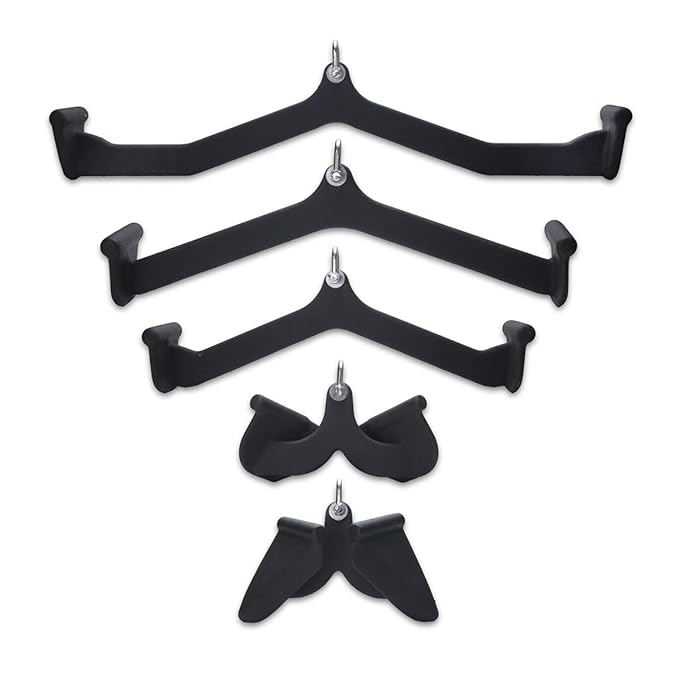
Strength training equipments the KAKSS Matte Black Cable Machine Attachment will build stronger biceps, triceps, grip, lats, shoulders, and core.
KAKSS Cable Machine Attachments. Black Matte Handles with Universal Attachment for Cable Machines. Pull Down, Press Down, Row, Triceps, Biceps & Lats. Available in 8 Varieties. (Pack Of 5 Pc (Combo))
₹13,748.00 Original price was: ₹13,748.00.₹10,999.00Current price is: ₹10,999.00.
Categories: cable row machine, fitness equipment
Description
About this item
Strength Training Equipments
Best Strength Training Equipments to Skyrocket Your Fitness Goals
Strength training is an essential part of any fitness routine, whether you are aiming to build muscle, increase endurance, or improve overall health. Using the right strength training equipments plays a crucial role in helping you achieve faster, safer, and more effective results. From beginners to advanced athletes, having access to reliable and well-designed equipment ensures you train with precision while reducing the risk of injury.
This comprehensive guide covers the best types of strength training equipments, their benefits, how to use them, safety tips, and expert advice, empowering you to make the most of your workouts.
How to Structure Your Strength Training Program Using Equipments
A well-planned strength training program combines various exercises and equipment types to target all major muscle groups. Below is a breakdown of how to incorporate strength training equipments into your weekly schedule.
Weekly Workout Split Example
Day 1 – Upper Body Strength
•Warm-up with resistance bands for 5 minutes
•Barbell bench press – 4 sets of 8–12 reps
•Dumbbell shoulder press – 3 sets of 10–15 reps
•Cable rows – 4 sets of 12 reps
•Pull-ups – 3 sets of max reps
•Plank holds – 3 sets of 30–60 seconds
Day 2 – Lower Body Strength
•Warm-up with light kettlebell swings
•Barbell squats – 4 sets of 8–12 reps
•Dumbbell lunges – 3 sets of 12 reps per leg
•Leg press (if available) – 4 sets of 10–15 reps
•Resistance band leg curls – 3 sets of 15 reps
•Calf raises – 4 sets of 20 reps
Day 3 – Core & Functional Training
•Warm-up with light cardio
•Kettlebell swings – 4 sets of 20 reps
•Cable woodchoppers – 3 sets of 12 reps per side
•Weighted Russian twists with dumbbell – 3 sets of 15 reps
•Hanging leg raises on pull-up bar – 3 sets of 10–15 reps
•Planks with shoulder taps – 3 sets of 30 seconds
Day 4 – Rest or Active Recovery
•Light stretching or yoga
•Foam rolling and mobility work
•Walking or cycling at moderate pace
Day 5 – Full Body Strength & Conditioning
•Warm-up with resistance bands
•Deadlifts – 4 sets of 8 reps
•Kettlebell snatches – 3 sets of 10 per arm
•Dumbbell clean and press – 3 sets of 12 reps
•Pull-ups – 3 sets of max reps
•Core circuit: Planks, Russian twists, and leg raises
Day 6 – Light Recovery
•Mobility drills
•Resistance band exercises for flexibility
•Gentle stretching
Day 7 – Optional Training or Rest
•Use this day to rest or try new equipment-based workouts based on preference.
⸻
Advanced Programming Strategies with Strength Training Equipments
For those looking to push past plateaus or achieve athletic goals, structured programming is key.
1. Progressive Overload
Gradually increase the weight, number of sets, or reps to challenge muscles consistently. Tracking progress helps you stay accountable and prevent stagnation.
Example:
•Week 1 – Barbell squats at 60 kg, 3 sets of 10 reps
•Week 4 – Increase to 70 kg, 4 sets of 12 reps
2. Supersets
Combine two exercises back-to-back with minimal rest to enhance intensity and endurance.
Example:
•Dumbbell curls – 12 reps
•Triceps pushdowns – 12 reps
•Rest 1 minute
•Repeat for 4 rounds
3. Circuit Training
Rotate through multiple exercises with little rest to target different muscle groups while maintaining cardiovascular conditioning.
Example Circuit:
•Kettlebell swings – 20 reps
•Pull-ups – max reps
•Plank – 45 seconds
•Dumbbell shoulder press – 15 reps
Repeat 3 times
4. Periodization
Plan your training in phases – strength, hypertrophy, endurance – allowing your body to recover and adapt.
Example Plan:
•Month 1 – Build base strength with moderate reps
•Month 2 – Focus on hypertrophy with higher reps and lower rest
•Month 3 – Improve endurance with circuits and longer sessions
⸻
How Strength Training Equipments Support Injury Prevention
Proper equipment use minimizes strain, promotes correct posture, and supports joint health.
Wrist Support
Grips, straps, and padded handles reduce strain during heavy lifts, preventing injuries like tendonitis or sprains.
Spinal Alignment
Weight benches and racks help maintain posture, reducing the risk of lower back pain during squats or presses.
Joint Protection
Resistance bands provide controlled movement patterns, helping to improve mobility without overloading joints.
Hand Protection
Grips, straps, and gloves prevent calluses, blisters, and skin abrasions from repetitive friction against weights or bars.
⸻
How to Incorporate Recovery with Strength Training Equipments
Recovery is as important as training itself. Using equipment correctly and balancing intensity with rest prevents overtraining.
Foam Rollers
Use after workouts to release tight muscles and improve circulation.
Resistance Bands
Light resistance bands support mobility drills and gentle stretching during recovery days.
Weight Plates
Use light plates for mobility and warm-up exercises before heavy sessions.
Kettlebells
Perform light circuits like swings or windmills at low intensity to promote blood flow without exhausting muscles.
⸻
Nutrition and Hydration Tips for Strength Training
Alongside equipment, proper nutrition enhances muscle recovery and performance.
Pre-Workout
•Complex carbs like oats or brown rice provide sustained energy
•Protein sources like eggs or chicken support muscle repair
Post-Workout
•High-protein meals aid recovery
•Hydrate with water or electrolyte-rich drinks
•Avoid processed foods that hinder inflammation recovery
⸻
Expert Tips for Beginners Using Strength Training Equipments
1.Start Simple: Begin with adjustable dumbbells or resistance bands before moving to barbells and machines.
2.Focus on Form: Prioritize technique over weight; correct posture prevents injuries.
3.Track Progress: Keep a workout journal to note sets, reps, and weights lifted.
4.Warm-Up & Cool Down: Prepare muscles with light cardio and finish with stretching.
5.Ask for Guidance: Work with a trainer or consult online tutorials to ensure proper use.
⸻
Expert Tips for Advanced Users
1.Use Periodization: Plan training cycles to avoid plateaus.
2.Incorporate Supersets: Increase training density without extending workout time.
3.Focus on Recovery: Nutrition, hydration, and sleep are critical for sustained gains.
4.Challenge Grip Strength: Integrate heavy lifts, towel pull-ups, and weighted carries to improve endurance.
5.Mix Equipment: Alternate between free weights and machines to target muscles differently.
⸻
Frequently Asked Questions
Q1: Can I train all muscle groups with only a few pieces of equipment?
Yes, adjustable dumbbells, resistance bands, and a pull-up bar cover almost all essential movements.
Q2: How often should I replace strength training equipment?
Inspect equipment regularly. Replace when signs of wear like fraying straps, cracks, or loose joints are noticeable.
Q3: Is strength training suitable for older adults?
Absolutely. Using lighter weights and controlled movements, older adults can safely improve muscle mass, balance, and bone health.
Q4: How do I avoid overtraining?
Follow a structured schedule with rest days, proper nutrition, and listen to your body’s signals for fatigue.
⸻
Conclusion
Choosing the best strength training equipments lays the foundation for an efficient, injury-free workout. From adjustable dumbbells to kettlebells, each piece serves a unique purpose in building strength, endurance, and resilience. By combining equipment wisely with structured programming, nutrition, and recovery practices, you can achieve impressive fitness results while staying safe.
Investing in high-quality equipment not only improves your workouts but also boosts confidence and keeps you motivated. Whether you’re a beginner starting with resistance bands or an advanced lifter using barbells and machines, equipment enhances your ability to train effectively and consistently.
Stay disciplined, track progress, and use the best equipment to reach your fitness goals faster and more safely.
⸻
Why Strength Training Equipments Are Important
While bodyweight exercises have their place, using equipment adds resistance, variety, and structure to your workouts. Here’s why incorporating strength training equipments is a game-changer:
1.Progressive Overload – Equipment helps you systematically increase weight or resistance to build muscle strength over time.
2.Targeted Workouts – Machines, bars, and bands allow you to isolate specific muscles, leading to balanced development.
3.Enhanced Safety – Proper equipment with adjustable settings reduces the chances of strain or injury.
4.Better Posture and Form – Many machines guide your movement, ensuring correct form and reducing bad habits.
5.Time Efficiency – Having the right equipment minimizes unnecessary movements, making workouts more structured and effective.
⸻
Top 7 Strength Training Equipments You Must Have
1. Adjustable Dumbbells
Adjustable dumbbells are versatile tools that allow you to modify weight increments without needing multiple sets. They are ideal for exercises like bicep curls, shoulder presses, and lunges. Their compact design is perfect for home gyms where space is limited.
Benefits:
•Space-saving
•Customizable resistance
•Suitable for beginners and advanced users
Usage Tips:
Start with lighter weights, focusing on form, then progressively increase resistance every few sessions.
⸻
2. Barbell with Weight Plates
A barbell is a classic piece of strength training equipment used for compound movements like squats, deadlifts, and bench presses. With adjustable plates, it allows for scalable workouts tailored to your strength level.
Benefits:
•Builds total-body strength
•Encourages functional movement patterns
•Allows for heavy lifting safely
Usage Tips:
Always warm up with lighter sets, and use a spotter or safety bars when lifting maximum loads.
⸻
3. Cable Machine
Cable machines provide smooth resistance throughout exercises like triceps pushdowns, lat pulldowns, and cable rows. They’re excellent for functional strength training and improving muscle engagement from different angles.
Benefits:
•Continuous resistance
•Adjustable pulley settings for variety
•Safer alternative to free weights
Usage Tips:
Focus on controlled movements and adjust the pulley height based on the exercise to target muscles more effectively.
⸻
4. Resistance Bands
Resistance bands are portable and ideal for adding resistance to movements like squats, bridges, and shoulder presses. They are often used for warm-ups, mobility exercises, or rehabilitation.
Benefits:
•Lightweight and travel-friendly
•Enhances flexibility and stability
•Great for beginners or post-injury recovery
Usage Tips:
Choose bands of varying resistance and incorporate them into both warm-up and strength circuits.
⸻
5. Kettlebells
Kettlebells are versatile for dynamic movements like swings, goblet squats, and snatches. They help build explosive power, coordination, and endurance.
Benefits:
•Develops core strength
•Improves balance and grip
•Supports high-intensity circuits
Usage Tips:
Practice form with lighter kettlebells before progressing to heavier ones for ballistic exercises.
⸻
6. Weight Bench
A sturdy weight bench supports exercises like bench presses, step-ups, and incline presses. Adjustable benches allow for changes in angle, helping target muscles from various positions.
Benefits:
•Supports a wide range of exercises
•Adjustable for incline, flat, or decline positions
•Enhances posture and comfort during lifts
Usage Tips:
Ensure the bench is secure and level before using, and always pair it with appropriate weights for stability.
⸻
7. Pull-Up Bar
Pull-up bars are a must for upper-body strength. Hanging exercises like pull-ups and chin-ups engage muscles in the back, shoulders, and arms while improving grip endurance.
Benefits:
•Builds upper body and core strength
•No extra weights needed
•Improves posture and spinal health
Usage Tips:
Start with assisted pull-ups if needed, and gradually increase repetitions to build strength.
⸻
How to Incorporate Strength Training Equipments Into Your Routine
Step 1 – Assess Your Goals:
Decide whether you want to build muscle, lose fat, or improve endurance. Equipment like barbells and kettlebells support heavy lifting, while bands and benches are great for mobility and isolation exercises.
Step 2 – Create a Balanced Workout:
Include exercises targeting different muscle groups: upper body, lower body, and core. Alternate between compound movements (like squats and presses) and isolation exercises (like curls and triceps extensions).
Step 3 – Use Proper Form:
Focus on controlled movements and proper posture. Avoid lifting too heavy too soon, as this can lead to injuries.
Step 4 – Schedule Rest Days:
Strength training requires recovery. Allow 48 hours between working the same muscle group to let your body rebuild stronger fibers.
⸻
Safety Guidelines for Strength Training Equipments
•Warm-Up: Always perform 5–10 minutes of dynamic stretches before using equipment.
•Start Slow: Gradually increase weights or resistance over several sessions.
•Focus on Posture: Engage your core and maintain proper alignment throughout the exercise.
•Use Spotters: For heavy lifts like squats or bench presses, having someone nearby ensures safety.
•Inspect Equipment: Check for wear and tear, loose bolts, or unstable parts before each session.
•Listen to Your Body: Pain or discomfort beyond normal muscle fatigue signals a need to stop or adjust the workout.
⸻
Maintenance of Strength Training Equipments
To ensure longevity and performance, follow these tips:
•Wipe equipment after each use to remove sweat and bacteria.
•Regularly inspect cables, plates, and handles for damage.
•Lubricate moving parts like pulleys and joints when necessary.
•Store equipment in a dry, ventilated space to prevent rust and corrosion.
•Avoid dropping heavy weights on the floor, which can cause cracks or misalignment.
⸻
Expert Advice on Choosing the Right Equipment
Fitness Coach Neha:
“Choosing the right strength training equipment depends on your goals. Beginners should start with adjustable dumbbells and resistance bands, while advanced users benefit from barbells and cable machines for full-body development.”
Physiotherapist Arjun:
“Safety comes first. Proper form and warm-up routines prevent injuries. Equipment like benches and straps improve posture and reduce strain on joints.”
Strength Athlete Rakesh:
“Progressive overload is the key. Start light, stay consistent, and increase resistance gradually. Equipment helps you track and challenge your limits effectively.”
⸻
Benefits of Investing in Quality Strength Training Equipments
1.Durability: High-quality equipment lasts longer, saving you money in the long run.
2.Safety: Designed with ergonomic features to prevent injuries.
3.Customization: Adjustable options help meet individual needs and fitness levels.
4.Motivation: Well-designed equipment enhances your confidence and commitment.
5.Efficiency: Structured workouts with proper equipment produce faster, visible results.
How to Structure Your Strength Training Program Using Equipments
A well-planned strength training program combines various exercises and equipment types to target all major muscle groups. Below is a breakdown of how to incorporate strength training equipments into your weekly schedule.
Weekly Workout Split Example
Day 1 – Upper Body Strength
•Warm-up with resistance bands for 5 minutes
•Barbell bench press – 4 sets of 8–12 reps
•Dumbbell shoulder press – 3 sets of 10–15 reps
•Cable rows – 4 sets of 12 reps
•Pull-ups – 3 sets of max reps
•Plank holds – 3 sets of 30–60 seconds
Day 2 – Lower Body Strength
•Warm-up with light kettlebell swings
•Barbell squats – 4 sets of 8–12 reps
•Dumbbell lunges – 3 sets of 12 reps per leg
•Leg press (if available) – 4 sets of 10–15 reps
•Resistance band leg curls – 3 sets of 15 reps
•Calf raises – 4 sets of 20 reps
Day 3 – Core & Functional Training
•Warm-up with light cardio
•Kettlebell swings – 4 sets of 20 reps
•Cable woodchoppers – 3 sets of 12 reps per side
•Weighted Russian twists with dumbbell – 3 sets of 15 reps
•Hanging leg raises on pull-up bar – 3 sets of 10–15 reps
•Planks with shoulder taps – 3 sets of 30 seconds
Day 4 – Rest or Active Recovery
•Light stretching or yoga
•Foam rolling and mobility work
•Walking or cycling at moderate pace
Day 5 – Full Body Strength & Conditioning
•Warm-up with resistance bands
•Deadlifts – 4 sets of 8 reps
•Kettlebell snatches – 3 sets of 10 per arm
•Dumbbell clean and press – 3 sets of 12 reps
•Pull-ups – 3 sets of max reps
•Core circuit: Planks, Russian twists, and leg raises
Day 6 – Light Recovery
•Mobility drills
•Resistance band exercises for flexibility
•Gentle stretching
Day 7 – Optional Training or Rest
•Use this day to rest or try new equipment-based workouts based on preference.
⸻
Advanced Programming Strategies with Strength Training Equipments
For those looking to push past plateaus or achieve athletic goals, structured programming is key.
1. Progressive Overload
Gradually increase the weight, number of sets, or reps to challenge muscles consistently. Tracking progress helps you stay accountable and prevent stagnation.
Example:
•Week 1 – Barbell squats at 60 kg, 3 sets of 10 reps
•Week 4 – Increase to 70 kg, 4 sets of 12 reps
2. Supersets
Combine two exercises back-to-back with minimal rest to enhance intensity and endurance.
Example:
•Dumbbell curls – 12 reps
•Triceps pushdowns – 12 reps
•Rest 1 minute
•Repeat for 4 rounds
3. Circuit Training
Rotate through multiple exercises with little rest to target different muscle groups while maintaining cardiovascular conditioning.
Example Circuit:
•Kettlebell swings – 20 reps
•Pull-ups – max reps
•Plank – 45 seconds
•Dumbbell shoulder press – 15 reps
Repeat 3 times
4. Periodization
Plan your training in phases – strength, hypertrophy, endurance – allowing your body to recover and adapt.
Example Plan:
•Month 1 – Build base strength with moderate reps
•Month 2 – Focus on hypertrophy with higher reps and lower rest
•Month 3 – Improve endurance with circuits and longer sessions
⸻
How Strength Training Equipments Support Injury Prevention
Proper equipment use minimizes strain, promotes correct posture, and supports joint health.
Wrist Support
Grips, straps, and padded handles reduce strain during heavy lifts, preventing injuries like tendonitis or sprains.
Spinal Alignment
Weight benches and racks help maintain posture, reducing the risk of lower back pain during squats or presses.
Joint Protection
Resistance bands provide controlled movement patterns, helping to improve mobility without overloading joints.
Hand Protection
Grips, straps, and gloves prevent calluses, blisters, and skin abrasions from repetitive friction against weights or bars.
⸻
How to Incorporate Recovery with Strength Training Equipments
Recovery is as important as training itself. Using equipment correctly and balancing intensity with rest prevents overtraining.
Foam Rollers
Use after workouts to release tight muscles and improve circulation.
Resistance Bands
Light resistance bands support mobility drills and gentle stretching during recovery days.
Weight Plates
Use light plates for mobility and warm-up exercises before heavy sessions.
Kettlebells
Perform light circuits like swings or windmills at low intensity to promote blood flow without exhausting muscles.
⸻
Nutrition and Hydration Tips for Strength Training
Alongside equipment, proper nutrition enhances muscle recovery and performance.
Pre-Workout
•Complex carbs like oats or brown rice provide sustained energy
•Protein sources like eggs or chicken support muscle repair
Post-Workout
•High-protein meals aid recovery
•Hydrate with water or electrolyte-rich drinks
•Avoid processed foods that hinder inflammation recovery
⸻
Expert Tips for Beginners Using Strength Training Equipments
1.Start Simple: Begin with adjustable dumbbells or resistance bands before moving to barbells and machines.
2.Focus on Form: Prioritize technique over weight; correct posture prevents injuries.
3.Track Progress: Keep a workout journal to note sets, reps, and weights lifted.
4.Warm-Up & Cool Down: Prepare muscles with light cardio and finish with stretching.
5.Ask for Guidance: Work with a trainer or consult online tutorials to ensure proper use.
⸻
Expert Tips for Advanced Users
1.Use Periodization: Plan training cycles to avoid plateaus.
2.Incorporate Supersets: Increase training density without extending workout time.
3.Focus on Recovery: Nutrition, hydration, and sleep are critical for sustained gains.
4.Challenge Grip Strength: Integrate heavy lifts, towel pull-ups, and weighted carries to improve endurance.
5.Mix Equipment: Alternate between free weights and machines to target muscles differently.
⸻
Frequently Asked Questions
Q1: Can I train all muscle groups with only a few pieces of equipment?
Yes, adjustable dumbbells, resistance bands, and a pull-up bar cover almost all essential movements.
Q2: How often should I replace strength training equipment?
Inspect equipment regularly. Replace when signs of wear like fraying straps, cracks, or loose joints are noticeable.
Q3: Is strength training suitable for older adults?
Absolutely. Using lighter weights and controlled movements, older adults can safely improve muscle mass, balance, and bone health.
Q4: How do I avoid overtraining?
Follow a structured schedule with rest days, proper nutrition, and listen to your body’s signals for fatigue.
⸻
Conclusion
Choosing the best strength training equipments lays the foundation for an efficient, injury-free workout. From adjustable dumbbells to kettlebells, each piece serves a unique purpose in building strength, endurance, and resilience. By combining equipment wisely with structured programming, nutrition, and recovery practices, you can achieve impressive fitness results while staying safe.
Investing in high-quality equipment not only improves your workouts but also boosts confidence and keeps you motivated. Whether you’re a beginner starting with resistance bands or an advanced lifter using barbells and machines, equipment enhances your ability to train effectively and consistently.
Stay disciplined, track progress, and use the best equipment to reach your fitness goals faster and more safely.
⸻
Final Thoughts
Investing in the right strength training equipments is essential for anyone serious about improving their fitness, strength, and overall health. From adjustable dumbbells to pull-up bars, each piece offers unique benefits that contribute to a balanced workout plan. With proper usage, maintenance, and a focus on form, you can achieve your fitness goals safely and effectively.
Whether you’re working out at home or in a gym, using the best equipment helps you stay motivated, track progress, and challenge yourself while minimizing the risk of injury. Incorporate these tools wisely, and you’ll build not only strength but also resilience and endurance for years to come.
Be the first to review “KAKSS Cable Machine Attachments. Black Matte Handles with Universal Attachment for Cable Machines. Pull Down, Press Down, Row, Triceps, Biceps & Lats. Available in 8 Varieties. (Pack Of 5 Pc (Combo))” Cancel reply
Related products
-
Sale!
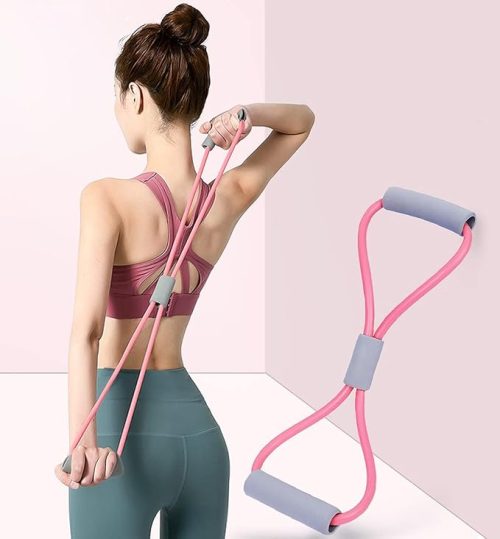
Wolpin Resistance Band for Workout Back Set Exercise & Stretching Pull Up Bands for Home Exercise Bands Gym Men & Women Yoga Resistance Tube Loop Bands Toning Bands Kit, Thermoplastic Elastomer (TPE)
₹599.00Original price was: ₹599.00.₹179.00Current price is: ₹179.00. -
Sale!
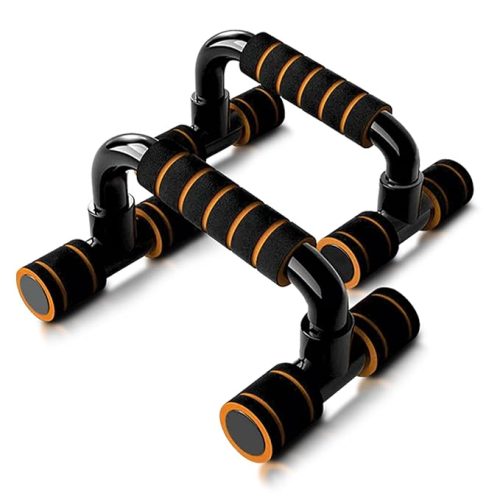
SLOVIC Pull Up Bar for Home Workout [Capacity:120 KG] | Stand for Home Gym with Non-Slip & Comfortable Grip | Push Up Board for Men | Home Gym Eqipement for Men & Women | Exercise Equipments
₹1,099.00Original price was: ₹1,099.00.₹299.00Current price is: ₹299.00. -
Sale!
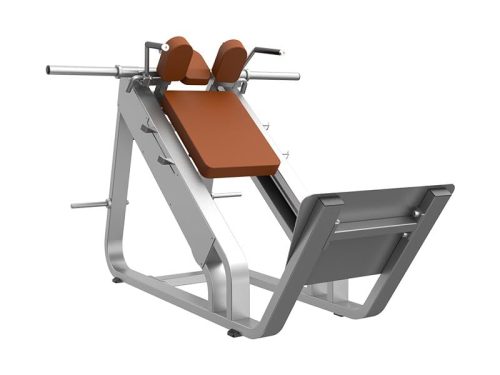
PowerMax Fitness CS-023 Hack Squat, Incline Leg Press Machine Hack Squat Plate Load Gym Machine | Lower Body Workout | Ideal for Home and Commercial UsePowerMax Fitness CS-023 Hack Squat, Incline Leg Press Machine Hack Squat Plate Load Gym Machine | Lower Body Workout | Ideal for Home and Commercial Use
₹197,000.00Original price was: ₹197,000.00.₹135,929.00Current price is: ₹135,929.00. -
Sale!
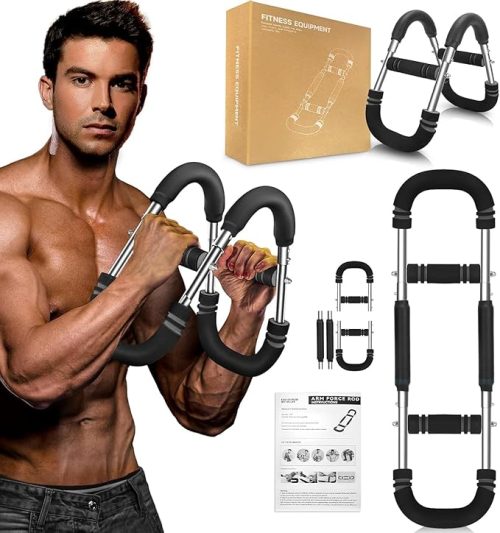
VARNH Twister Arm Strength Trainer – Multifunction Arm & Chest Workout Bar – Adjustable Resistance Muscle Building Fitness Equipment
₹2,999.00Original price was: ₹2,999.00.₹1,499.00Current price is: ₹1,499.00.
Reviews
There are no reviews yet.