

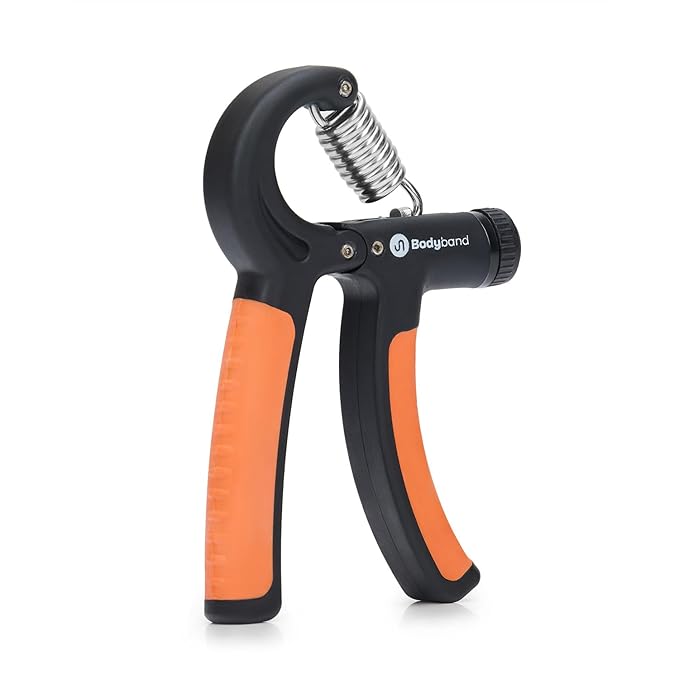
Hand grip workout exercise equipment men is comfortable to hold and made from non-slip material. Gym hand grip holds your hands
dyband Hand Grip Workout Strengthener, Adjustable Hand Gripper for Men & Women for Gym Workout Hand Exercise Equipment to Use in Home for Forearm Exercise, Finger Power Gripper
Original price was: ₹499.00.₹129.00Current price is: ₹129.00.
Description
Best 7 Hand Grip Workouts to Strengthen Your Grip and Boost Performance
Hand grip workout A strong grip plays a vital role in nearly every workout. From lifting weights to performing bodyweight exercises, your grip strength determines how much weight you can handle, how long you can hold positions, and how safely you can perform movements.
Hand grip workouts not only help prevent injuries but also improve endurance, coordination, and hand health. Whether you’re an athlete, fitness enthusiast, or someone recovering from wrist pain, integrating hand grip exercises into your routine can make a significant difference.
This guide explores the best hand grip workouts, techniques, tools, and tips to help you enhance your grip strength and overall fitness.
Hand grip workout
Why Hand Grip Strength Matters Hand grip workout
Improves Performance Hand grip workout
A strong grip is essential for exercises like pull-ups, deadlifts, rows, and kettlebell swings. Weak grip strength can limit how much weight you lift or how long you can perform exercises.
Reduces Injury Risk Hand grip workout
Weak grip muscles can cause overcompensation by other joints, such as the shoulders or back, increasing the likelihood of strains and sprains.
Supports Functional Fitness Hand grip workout
Grip strength plays a role in everyday tasks—carrying groceries, opening jars, or holding tools. A stronger grip helps you move confidently in daily life.
Enhances Recovery
Strengthening your grip muscles improves blood flow and joint stability, reducing discomfort during and after workouts.
⸻
Best 7 Hand Grip Workouts
1. Farmer’s Walk
✔ Hold heavy dumbbells or kettlebells at your sides
✔ Walk slowly for 30–60 seconds
✔ Repeat for 3–4 sets
This exercise builds endurance and trains the muscles in your forearms and hands.
2. Dead Hangs
✔ Hang from a pull-up bar with both hands
✔ Keep arms fully extended and shoulders engaged
✔ Hold for 20–40 seconds
Dead hangs improve grip strength and decompress your spine.
3. Plate Pinches
✔ Hold two weight plates together using your fingers and thumb
✔ Pinch tightly and hold for 20–30 seconds
✔ Repeat for 3 sets
This targets finger strength and thumb stability.
4. Wrist Curls
✔ Sit on a bench with dumbbells in hand
✔ Rest your forearms on your thighs
✔ Curl the wrist up and down slowly
This focuses on strengthening the wrist flexors.
5. Reverse Wrist Curls
✔ Same setup as wrist curls
✔ Turn palms downward and lift the weight by extending the wrist
This strengthens wrist extensors and improves joint balance.
6. Hand Grippers
✔ Use a spring-loaded hand gripper device
✔ Squeeze and release for 20–30 reps per hand
✔ Perform 3–4 sets
Hand grippers target the flexor muscles and increase forearm endurance.
7. Towel Pull-Ups
✔ Wrap a towel around the pull-up bar
✔ Grip the towel and perform pull-ups
✔ Do as many reps as possible
This exercise challenges your grip and core muscles at once.
⸻
Tools That Help with Hand Grip Workouts
✔ Hand grippers – Portable and convenient for daily training
✔ Kettlebells – Versatile for dynamic grip exercises
✔ Pull-up bars – Essential for dead hangs and towel pull-ups
✔ Weight plates – Useful for plate pinch exercises
✔ Resistance bands – Assist in mobility and wrist strengthening exercises
✔ Grip strengtheners – Adjustable tools that progressively build resistance
⸻
How to Build Grip Strength Safely
Start Slowly
Avoid jumping into heavy exercises. Gradually increase resistance and duration.
Warm Up
Always perform wrist rotations and finger stretches before training.
Focus on Form
Ensure your grip is balanced and avoid jerky movements.
Rest Adequately
Give your muscles time to recover, especially after intense grip workouts.
Stay Hydrated
Dehydration can reduce muscle performance and slow recovery.
⸻
How Hand Grip Workouts Complement Other Training
✔ Weightlifting – Strong grip enhances lifting capacity and reduces fatigue
✔ Yoga – Improved grip helps maintain balance and pose control
✔ Climbing – Finger endurance and forearm strength are critical
✔ Running – Strong hands help maintain posture and arm swing
✔ Rehabilitation – Controlled grip exercises rebuild strength after injuries
⸻
Common Mistakes to Avoid
❌ Overtraining grip muscles without rest
❌ Ignoring warm-ups and stretching
❌ Using improper form or excessive weight
❌ Focusing only on gripping and neglecting other supportive exercises
❌ Rushing through sets without controlled movement
Avoiding these mistakes helps you gain strength effectively and prevents injuries.
⸻
How to Track Progress in Hand Grip Workouts
✔ Record how long you can hold dead hangs
✔ Track the number of reps with hand grippers
✔ Measure how much weight you can hold during farmer’s walks
✔ Note improvements in wrist curl endurance
✔ Use a workout journal to monitor progress and adjust routines
Tracking progress motivates you and helps you set realistic goals.
⸻
Benefits of Incorporating Hand Grip Workouts Into Daily Life
✔ Increased ability to carry heavy objects
✔ Improved performance in sports like tennis, climbing, and boxing
✔ Better posture and joint stability
✔ Reduced risk of arthritis and joint degeneration
✔ Enhanced confidence in daily activities
A consistent grip workout routine improves your strength, health, and quality of life.
⸻
FAQs About Hand Grip Workouts
Q1: How often should I train grip strength?
2–3 times per week is ideal for beginners. Allow rest days for muscle recovery.
Q2: Can grip exercises help with arthritis?
Yes, controlled grip exercises enhance circulation and joint flexibility.
Q3: Do hand grip workouts affect overall muscle growth?
Improved grip allows you to lift heavier weights, indirectly contributing to muscle gains.
Q4: How long does it take to see results?
With consistent training, improvements can be seen within 4–6 weeks.
Q5: Can women benefit from grip workouts too?
Absolutely! Grip strength is essential for all genders, supporting functional movement and fitness.
Advanced Techniques to Supercharge Your Hand Grip Workout
Once you’ve built a solid foundation with basic hand grip exercises, it’s time to take your training to the next level. Advanced techniques not only increase strength but also challenge coordination, endurance, and mental focus.
1. Weighted Dead Hangs
After mastering bodyweight dead hangs, add weight using a belt or weighted vest.
✔ Start with light weight (5–10 lbs)
✔ Gradually increase as your grip improves
✔ Hold for 20–40 seconds per set
Weighted dead hangs dramatically boost endurance and forearm strength.
2. Thick Bar Training
Use a thicker grip bar to challenge your hand strength during lifts like rows or presses.
✔ Thick bars increase the effort required to hold the weight
✔ Incorporate grip training into regular sets
✔ Reduces weak link issues in grip and forearm muscles
3. Isometric Holds
Instead of continuous movement, hold static positions where grip strength is paramount.
✔ Example: Hold a heavy dumbbell at the top of a curl for 30 seconds
✔ Focus on steady breathing and engaging hand muscles
Isometric holds build endurance and mental toughness.
4. Dynamic Grip Challenges
Combine grip training with coordination exercises to mimic real-life challenges.
✔ Carry uneven loads (one heavy, one light) for farmer’s walks
✔ Perform towel pull-ups using only one arm at a time
✔ Engage core muscles along with grip strength
5. Fingertip Push-Ups
✔ Place fingertips on the ground instead of palms
✔ Perform push-ups with full control
✔ Keep elbows slightly bent to reduce strain
This builds finger strength and enhances wrist stability.
⸻
Nutrition Tips for Supporting Hand Grip Training
Building grip strength requires more than just exercise—it’s important to nourish your muscles and joints with the right foods.
Protein for Muscle Repair
✔ Include lean meats, eggs, legumes, and dairy products
✔ Aim for 1.2–2 grams of protein per kg of body weight daily
✔ Supports muscle recovery and growth after workouts
Healthy Fats for Joint Health
✔ Incorporate sources like avocado, olive oil, and fatty fish
✔ Omega-3 fatty acids reduce inflammation and enhance joint flexibility
Hydration
✔ Drink at least 8–10 glasses of water daily
✔ Dehydration reduces muscle efficiency and prolongs recovery
Vitamins and Minerals
✔ Vitamin C for collagen formation and tissue repair
✔ Magnesium for muscle function
✔ Calcium for bone health
Eating a balanced diet ensures your muscles stay strong, joints flexible, and recovery swift.
⸻
Recovery Methods to Maximize Grip Strength Gains
Recovery is just as important as training. Without it, muscles remain fatigued, and injuries are more likely.
Stretching
✔ Perform wrist and forearm stretches post-workout
✔ Hold each stretch for 30–60 seconds
✔ Include exercises like wrist flexor and extensor stretches
Advanced Techniques to Supercharge Your Hand Grip Workout
Once you’ve built a solid foundation with basic hand grip exercises, it’s time to take your training to the next level. Advanced techniques not only increase strength but also challenge coordination, endurance, and mental focus.
1. Weighted Dead Hangs
After mastering bodyweight dead hangs, add weight using a belt or weighted vest.
✔ Start with light weight (5–10 lbs)
✔ Gradually increase as your grip improves
✔ Hold for 20–40 seconds per set
Weighted dead hangs dramatically boost endurance and forearm strength.
2. Thick Bar Training
Use a thicker grip bar to challenge your hand strength during lifts like rows or presses.
✔ Thick bars increase the effort required to hold the weight
✔ Incorporate grip training into regular sets
✔ Reduces weak link issues in grip and forearm muscles
3. Isometric Holds
Instead of continuous movement, hold static positions where grip strength is paramount.
✔ Example: Hold a heavy dumbbell at the top of a curl for 30 seconds
✔ Focus on steady breathing and engaging hand muscles
Isometric holds build endurance and mental toughness.
4. Dynamic Grip Challenges
Combine grip training with coordination exercises to mimic real-life challenges.
✔ Carry uneven loads (one heavy, one light) for farmer’s walks
✔ Perform towel pull-ups using only one arm at a time
✔ Engage core muscles along with grip strength
5. Fingertip Push-Ups
✔ Place fingertips on the ground instead of palms
✔ Perform push-ups with full control
✔ Keep elbows slightly bent to reduce strain
This builds finger strength and enhances wrist stability.
⸻
Nutrition Tips for Supporting Hand Grip Training
Building grip strength requires more than just exercise—it’s important to nourish your muscles and joints with the right foods.
Protein for Muscle Repair
✔ Include lean meats, eggs, legumes, and dairy products
✔ Aim for 1.2–2 grams of protein per kg of body weight daily
✔ Supports muscle recovery and growth after workouts
Healthy Fats for Joint Health
✔ Incorporate sources like avocado, olive oil, and fatty fish
✔ Omega-3 fatty acids reduce inflammation and enhance joint flexibility
Hydration
✔ Drink at least 8–10 glasses of water daily
✔ Dehydration reduces muscle efficiency and prolongs recovery
Vitamins and Minerals
✔ Vitamin C for collagen formation and tissue repair
✔ Magnesium for muscle function
✔ Calcium for bone health
Eating a balanced diet ensures your muscles stay strong, joints flexible, and recovery swift.
⸻
Recovery Methods to Maximize Grip Strength Gains
Recovery is just as important as training. Without it, muscles remain fatigued, and injuries are more likely.
Stretching
✔ Perform wrist and forearm stretches post-workout
✔ Hold each stretch for 30–60 seconds
✔ Include exercises like wrist flexor and extensor stretches
Ice Therapy
✔ Apply ice packs after intense sessions
✔ Reduces inflammation and relieves soreness
✔ Use for 10–15 minutes at a time
Self-Myofascial Release
✔ Use foam rollers or massage balls on forearms
✔ Target tense areas to enhance circulation
✔ Promotes faster recovery and muscle relaxation
Active Rest
✔ Engage in light activity like walking or swimming on rest days
✔ Keeps blood flowing without stressing muscles
⸻
How to Avoid Overtraining and Injuries
Overtraining can lead to fatigue, joint pain, and setbacks. Follow these guidelines to stay safe.
✔ Train grip muscles 2–3 times a week, not daily
✔ Listen to your body—rest if you feel pain beyond typical soreness
✔ Avoid locking your joints during exercises
✔ Prioritize quality over quantity—proper form matters more than high reps
✔ Combine grip training with overall body conditioning to prevent imbalance
Taking care of your body helps you maintain long-term progress and avoid burnout.
⸻
Motivational Strategies for Consistent Grip Training
Staying consistent can be a challenge, but motivation plays a key role in achieving long-term results.
Set Clear Goals
✔ Define your target grip strength
✔ Track progress with measurable outcomes like dead hang duration or grip endurance tests
Join a Community
✔ Participate in workout groups or fitness challenges
✔ Share progress and support others on their journey
Celebrate Small Wins
✔ Reward yourself when you hit milestones
✔ Recognize improvements, even if they’re small
Visualize Success
✔ Imagine yourself lifting heavier weights with ease
✔ Mentally rehearsing success boosts confidence and determination
Mix It Up
✔ Rotate exercises to keep workouts interesting
✔ Experiment with new grips or tools to challenge yourself
Hand grip workout
Expert Advice on Integrating Hand Grip Workouts Into Fitness Programs
Dr. Rajeev Sharma, Sports Physiologist
“Grip training is often overlooked but is essential for performance. Integrating grip exercises into warm-ups, cool-downs, or strength sessions helps build resilience without overloading muscles.”
Anjali Mehta, Certified Fitness Coach
“For athletes, grip strength isn’t just about hands—it’s about joint coordination and muscle memory. I recommend incorporating functional grip exercises like farmer’s walks and towel hangs alongside mobility drills.”
Karan Patel, Rehabilitation Specialist
“Controlled grip exercises are great for individuals recovering from wrist injuries. I advise starting with low resistance, focusing on slow movements, and avoiding exercises that aggravate pain.”
⸻
Real-Life Applications of Improved Hand Grip Strength
✔ Weightlifting – Lifting heavier weights with confidence
✔ Martial arts – Enhanced striking power and grappling control
✔ Yoga – Better balance in poses like crow pose and downward dog
✔ Outdoor sports – Safer rock climbing and trail hiking
✔ Daily tasks – Carrying groceries, opening jars, and performing household chores without strain
Strong grip muscles enhance both athletic performance and daily life comfort.
⸻
How to Incorporate Grip Training Into Different Workout Levels
Beginner
✔ Dead hangs and plate pinches 2–3 times per week
✔ Focus on form and gradual endurance
Intermediate
✔ Add weighted hangs and wrist curls
✔ Integrate grip training with core and shoulder exercises
Advanced
✔ Use thick bars, one-arm towel hangs, and dynamic grip drills
✔ Combine with strength circuits and endurance challenges
Tailoring grip workouts to your level ensures balanced progress and prevents injury.
⸻
Common Myths About Hand Grip Training
❌ “Grip training is only for athletes.”
✔ It’s beneficial for anyone looking to improve strength, endurance, and joint health.
❌ “You need expensive equipment to train grip.”
✔ Simple tools like towels, dumbbells, and even household items can be effective.
❌ “Grip strength doesn’t affect performance.”
✔ Weak grip can limit lifting capacity and lead to early fatigue during exercises.
❌ “You should train grip every day.”
✔ Overtraining can cause strain—rest is essential for recovery and growth.
Ice Therapy
✔ Apply ice packs after intense sessions
✔ Reduces inflammation and relieves soreness
✔ Use for 10–15 minutes at a time
Self-Myofascial Release
✔ Use foam rollers or massage balls on forearms
✔ Target tense areas to enhance circulation
✔ Promotes faster recovery and muscle relaxation
Active Rest
✔ Engage in light activity like walking or swimming on rest days
✔ Keeps blood flowing without stressing muscles
⸻
How to Avoid Overtraining and Injuries
Overtraining can lead to fatigue, joint pain, and setbacks. Follow these guidelines to stay safe.
✔ Train grip muscles 2–3 times a week, not daily
✔ Listen to your body—rest if you feel pain beyond typical soreness
✔ Avoid locking your joints during exercises
✔ Prioritize quality over quantity—proper form matters more than high reps
✔ Combine grip training with overall body conditioning to prevent imbalance
Taking care of your body helps you maintain long-term progress and avoid burnout.
Hand grip workout
Motivational Strategies for Consistent Grip Training Hand grip workout
Staying consistent can be a challenge, but motivation plays a key role in achieving long-term results.
Set Clear Goals
✔ Define your target grip strength
✔ Track progress with measurable outcomes like dead hang duration or grip endurance tests
Join a Community
✔ Participate in workout groups or fitness challenges
✔ Share progress and support others on their journey
Celebrate Small Wins
✔ Reward yourself when you hit milestones
✔ Recognize improvements, even if they’re small
Visualize Success
✔ Imagine yourself lifting heavier weights with ease
✔ Mentally rehearsing success boosts confidence and determination
Mix It Up
✔ Rotate exercises to keep workouts interesting
✔ Experiment with new grips or tools to challenge yourself
⸻
Expert Advice on Integrating Hand Grip Workouts Into Fitness Programs
Dr. Rajeev Sharma, Sports Physiologist
“Grip training is often overlooked but is essential for performance. Integrating grip exercises into warm-ups, cool-downs, or strength sessions helps build resilience without overloading muscles.”
Anjali Mehta, Certified Fitness Coach
“For athletes, grip strength isn’t just about hands—it’s about joint coordination and muscle memory. I recommend incorporating functional grip exercises like farmer’s walks and towel hangs alongside mobility drills.”
Karan Patel, Rehabilitation Specialist
“Controlled grip exercises are great for individuals recovering from wrist injuries. I advise starting with low resistance, focusing on slow movements, and avoiding exercises that aggravate pain.”
Hand grip workout
Real-Life Applications of Improved Hand Grip Strength
✔ Weightlifting – Lifting heavier weights with confidence
✔ Martial arts – Enhanced striking power and grappling control
✔ Yoga – Better balance in poses like crow pose and downward dog
✔ Outdoor sports – Safer rock climbing and trail hiking
✔ Daily tasks – Carrying groceries, opening jars, and performing household chores without strain
Strong grip muscles enhance both athletic performance and daily life comfort.
⸻
How to Incorporate Grip Training Into Different Workout Levels
Beginner
✔ Dead hangs and plate pinches 2–3 times per week
✔ Focus on form and gradual endurance
Intermediate Hand grip workout
✔ Add weighted hangs and wrist curls
✔ Integrate grip training with core and shoulder exercises
Advanced Hand grip workout
✔ Use thick bars, one-arm towel hangs, and dynamic grip drills
✔ Combine with strength circuits and endurance challenges
Tailoring grip workouts to your level ensures balanced progress and prevents injury.
⸻
Common Myths About Hand Grip Training Hand grip workout
❌ “Grip training is only for athletes.”
✔ It’s beneficial for anyone looking to improve strength, endurance, and joint health.
❌ “You need expensive equipment to train grip.”
✔ Simple tools like towels, dumbbells, and even household items can be effective.
❌ “Grip strength doesn’t affect performance.”
✔ Weak grip can limit lifting capacity and lead to early fatigue during exercises.
❌ “You should train grip every day.”
✔ Overtraining can cause strain—rest is essential for recovery and growth.
⸻
Hand grip workout
Hand grip workouts are a powerful and often overlooked element of a comprehensive fitness routine. By incorporating exercises like farmer’s walks, dead hangs, and plate pinches, you strengthen not only your hands but also your forearms, wrists, and overall body coordination.
With proper technique, a balanced diet, and sufficient rest, grip training becomes a sustainable and rewarding practice that enhances performance in sports, workouts, and daily tasks alike.
Commit to consistent training, track your progress, and celebrate every improvement. Strong hands are the foundation of strength, confidence, and resilience—train your grip to unlock your full potential.
⸻
Final Thoughts Hand grip workout
Hand grip workouts are often overlooked, yet they are vital for building strength, preventing injuries, and improving overall athletic performance. Incorporating exercises like farmer’s walks, dead hangs, plate pinches, and wrist curls into your routine creates a stronger, more resilient grip.
Whether you’re a beginner, a seasoned athlete, or recovering from an injury, these workouts can enhance your performance, endurance, and confidence. Equip yourself with the right tools, follow safe training methods, and track your progress regularly.
Strengthen your grip, improve your workouts, and build lasting fitness with hand grip workouts as a foundational part of your training regimen.

Reviews
There are no reviews yet.