

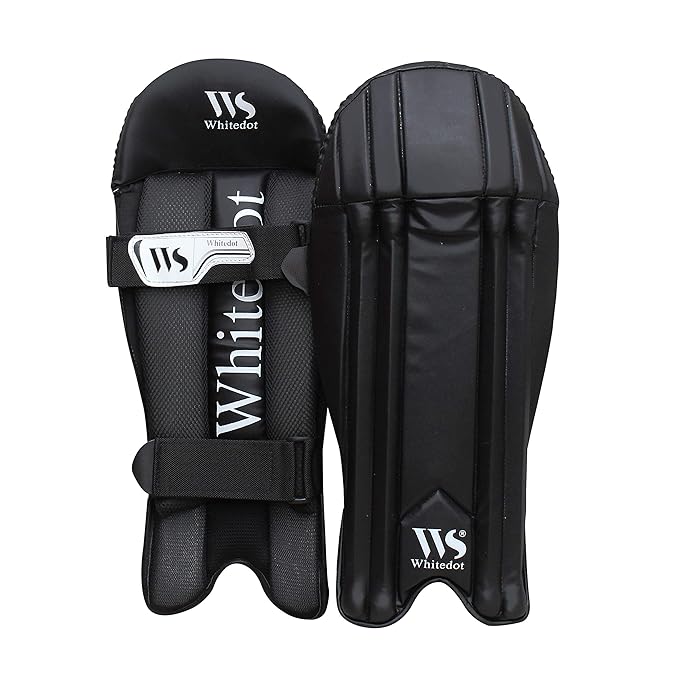
Pads for cricket Whitedot Black Wicket Keeping Pads: Made from premium quality polyurethane facing High-density
hitedot Dot 2.1 PU Leather Cricket Wicket Keeping Pad, Boys, Black
Original price was: ₹1,999.00.₹1,301.00Current price is: ₹1,301.00.
Description
Enhance Protection and Performance: Discover the Best Pads for Cricket
The Evolution of Pads for Cricket
Pads for cricket Cricket equipment has seen significant advancements over the years, and pads for cricket are no exception. From rudimentary leather wraps to state-of-the-art protective gear, the focus has shifted toward safety, comfort, and performance.
Early DesignsPads for cricket
In the early days of cricket, players relied on simple padding made from cotton and cloth. Protection was minimal, and injuries were common.
Modern Innovations Pads for cricket
Today’s pads are manufactured using high-density foams, lightweight plastics, and impact-resistant materials. These innovations ensure better shock absorption and increased mobility without adding bulk.
Role-Specific Developments Pads for cricket
Pads for cricket Different player roles such as batsmen and wicketkeepers have specific pads designed for their movement patterns. Manufacturers now prioritize ergonomic shapes and breathable materials.
⸻
How Technology is Shaping Cricket Pads for cricket
Advanced Foam Layers
Modern pads use multi-layered foam technology that distributes the force of impact across a broader area, reducing the chances of injury.
Carbon Fiber Reinforcement
Pads for cricket Some high-end pads incorporate carbon fiber plates for extreme protection while maintaining lightness. This is especially useful for players facing high-speed bowling.
Anti-Microbial Linings
Pads now feature linings treated with anti-microbial solutions to prevent odor and skin irritation, particularly important during long sessions in humid environments.
Adjustable Support Systems
Straps are designed with precision locking systems to ensure optimal support without causing discomfort or restricting blood flow.
Sustainable Materials
Leading brands are moving toward eco-friendly materials, ensuring the pads are not only protective but also environmentally conscious.
⸻
Choosing Pads Based on Playing Level
Beginners
For new players, comfort and adjustability are more important than advanced protective features. Foam-heavy, lightweight pads are ideal.
Intermediate Players
Those playing regularly require pads with moderate reinforcement and breathable linings. Adjustable straps are essential for frequent use.
Professional Players
Top-level athletes need custom-fit pads that provide maximum protection against high-speed impacts. Advanced materials, shock-absorbing inserts, and ventilation systems are critical.
⸻
Impact of Pads on Performance
Balanced Weight
Pads that are too heavy can tire a player quickly, while overly light pads may compromise protection. The ideal pad balances both aspects, allowing players to focus on technique and execution.
Psychological Comfort
Wearing high-quality pads reduces anxiety during matches, especially when facing fast bowlers. This allows players to adopt an aggressive mindset and play confidently.
Injury Prevention
Protective gear plays a key role in preventing acute injuries like fractures and bruises, as well as chronic conditions like joint strain.
⸻
How to Fit Cricket Pads Correctly
Measuring the Leg
Measure from just above the ankle to just below the knee. Pads should cover the shin while allowing flexibility at the knee joint.
Checking Strap Length
Straps should secure the pads firmly but not cause discomfort. Players should be able to run and bend without slipping.
Adjusting for Growth
For junior players, adjustable straps are essential to accommodate changing body sizes over time.
Testing Range of Motion
Before purchasing, squat, walk, and move sideways to ensure pads don’t restrict motion or cause chafing.
⸻
Caring for Your Pads for Cricket
Daily Cleaning
After every session, wipe pads with a soft cloth to remove sweat and dirt. A damp cloth is sufficient.
Weekly Maintenance
Use mild soap solutions to clean the outer layers if necessary. Avoid harsh chemicals that can weaken padding materials.
Drying Methods
Always air-dry pads. Avoid direct sunlight or heaters that may warp padding or crack synthetic materials.
Storage
Store pads in a ventilated bag or rack. Avoid placing heavy objects on them to preserve shape and padding integrity.
⸻
Budgeting for Quality Pads
Entry-Level Pads
Basic foam pads can cost between $30 to $80, suitable for beginners and recreational players.
Mid-Range Pads
For regular players, padded options with reinforced shells and breathable linings cost between $80 to $150.
High-End Pads
Professional-grade pads with advanced materials, ergonomic designs, and custom fitting can cost $150 to $300 or more.
Investing in quality pads is a decision that pays off in safety, comfort, and long-term usability.
⸻
Real-Life Scenarios: How Pads Protect Players
Facing Fast Bowlers
Pads shield the shin and knee joints from bouncers exceeding 140 km/h, reducing impact force by up to 70%.
Sliding Between Wickets
Proper padding protects against abrasions and joint strain when players dive or slide during run-outs.
Fielding in Close Positions
Pads provide cushioning during close catches and stops, where quick reflexes expose players to sudden impacts.
Training Sessions
Repeated drills, net practice, and skill development exercises often cause fatigue. Well-designed pads ensure players remain protected during prolonged training.
⸻
Common Issues and Solutions
Excessive Sweating
Pads with ventilated linings and moisture-wicking materials prevent discomfort during intense sessions.
Slipping Pads
Adjustable straps with locking systems keep pads in place even during quick movements or diving plays.
Skin Irritation
Anti-microbial and padded linings help reduce friction and prevent rashes or infections.
Limited Mobility
Pads designed with ergonomic curves and flexible joints ensure natural movement without restriction.
⸻
Accessories to Complement Cricket Pads
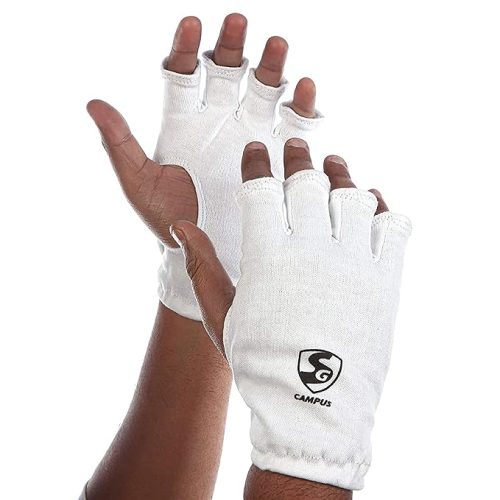
Inner Liners
Thin inner pads enhance comfort and reduce chafing.
Compression Sleeves
These support circulation, reduce fatigue, and offer additional protection when paired with pads.
Shin Guards
Additional guards can be worn underneath pads for extra protection in high-risk zones.
Protective Shorts
Impact-resistant shorts complement pads by safeguarding hips and thighs.
⸻
Training Tips with Pads
1.Practice movement drills to ensure your pads don’t hinder speed or agility.
2.Include balance and coordination exercises while wearing pads to simulate real-match conditions.
3.Use pads in long practice sessions to build stamina and comfort over extended periods.
4.Incorporate core-strength exercises to improve stability and reduce strain while wearing protective gear.
⸻
Why Every Player Needs Their Own Pads
•Hygiene: Sharing pads can transfer bacteria and cause infections.
•Fit: Everyone’s body shape is different; customized fitting ensures optimal protection.
•Durability: Personal care extends the lifespan of the pads.
•Confidence: Knowing you have pads that fit perfectly gives peace of mind on the field.
⸻
Environmental Considerations
Leading manufacturers are increasingly focusing on sustainable designs:
•Recycled polymers and foams are used in some premium models.
•Water-based adhesives reduce harmful chemical exposure.
•Ventilated designs cut down on synthetic lining waste by allowing airflow and reducing cleaning frequency.
Choosing eco-friendly pads helps protect both players and the environment.
⸻
How to Transition to Advanced Pads
As you progress in skill level, it’s important to upgrade your pads:
1.Evaluate wear and tear regularly.
2.Increase protection as you face faster deliveries and longer sessions.
3.Consult coaches or equipment specialists to select advanced models.
4.Pair your pads with other protective gear such as gloves, helmets, and guards for comprehensive safety.
⸻
Final Thoughts
Choosing the right pads for cricket is a fundamental part of both safety and performance. With advances in material technology, design, and customization, players at all levels can now access gear that fits their needs, prevents injuries, and boosts confidence on the field.
Whether you’re stepping onto the pitch for the first time or competing at a professional level, investing in the best pads helps you stay focused, agile, and safe. Remember to choose pads that suit your role, body shape, and playing conditions while considering comfort, durability, and protection features.
A good pair of pads is not just an accessory—it’s a vital tool that empowers players to perform fearlessly, train effectively, and protect themselves through every match. Prioritize safety, invest wisely, and make your cricket journey both enjoyable and injury-free.
When it comes to cricket, safety is as crucial as skill. The right pads for cricket not only protect players from injuries but also boost their confidence and performance. Whether you’re a beginner or a professional, having high-quality pads is essential for enduring long matches and intense training sessions.
Cricket pads are designed to shield sensitive areas such as knees, shins, and lower legs from fast deliveries, bouncers, and accidental impacts. Selecting the correct pair ensures maximum comfort, mobility, and protection without compromising on agility.
⸻
Why Investing in the Right Pads for Cricket is Crucial
Safety First
Fast-paced deliveries and unpredictable bounces make cricket a high-risk sport. Pads absorb shock and reduce the chances of fractures, bruises, and muscle injuries.
Improved Confidence
When players feel secure, they can focus entirely on their game without the fear of getting hit. Confidence translates to better shot execution and faster reactions.
Enhanced Mobility
Modern pads are lightweight and ergonomically designed to allow freedom of movement while providing full protection.
Durability and Comfort
High-quality pads are made with premium materials that withstand wear and tear while offering a snug fit for long hours on the field.
⸻
Types of Pads for Cricket
Batting Pads
These are the most commonly used pads, designed to protect the front of the legs from fast deliveries. They are lightweight, cushioned, and have straps to ensure a secure fit.
Wicket-Keeping Pads
These are thinner and more flexible than batting pads, allowing quick lateral movements. They protect the knees and lower legs without restricting agility.
Junior Pads
Made for younger players, these are lighter and smaller but still provide essential protection.
Custom-Fit Pads
For professionals, custom-made pads offer a perfect fit, reducing discomfort and enhancing performance during long matches.
⸻
Key Features to Look for in Pads for Cricket
Lightweight Materials
Look for pads made with high-density foam, carbon fiber, or advanced polymer materials that offer maximum protection without unnecessary bulk.
Adjustable Straps
Ensure the pads have adjustable velcro or buckled straps to secure them comfortably around your legs.
Shock Absorption
Padding layers and shock-absorbing inserts protect sensitive areas like knees and shins from fast deliveries and bouncers.
Breathability
Pads with ventilated designs and moisture-wicking linings prevent overheating and sweat build-up during extended play.
Flexibility
Good pads allow for easy movement, including running between wickets and bending the knees without resistance.
⸻
How to Choose the Perfect Pads for Cricket
Identify Your Role
Batsmen, wicketkeepers, and all-rounders have different requirements. Choose pads based on your primary position in the team.
Size and Fit
Pads should cover from the top of the ankle to just above the knee without slipping or being too tight. Try before buying or refer to size charts provided by manufacturers.
Material Quality
High-density foam, reinforced outer layers, and anti-abrasion surfaces prolong the lifespan of pads and maintain their protective qualities.
Comfort
Look for padded straps, soft linings, and ergonomic shaping that conform to your leg’s natural contours.
Brand Reputation
Trusted brands often offer tested and certified protective gear with warranties and customer support.
⸻
Proper Care and Maintenance of Pads
1.Clean After Every Use
Wipe off sweat, dirt, and mud with a soft cloth or sponge. Avoid soaking them in water.
2.Dry Properly
Air dry pads away from direct sunlight. Excessive heat may weaken padding materials.
3.Store Correctly
Keep pads in a cool, dry place. Avoid stacking heavy items on top of them to maintain shape.
4.Check for Damage
Inspect straps, padding, and stitching regularly. Replace worn-out pads to ensure continued protection.
⸻
How Pads for Cricket Enhance Performance
Encourages Aggressive Play
With proper protection, players can face faster deliveries without hesitation. This improves stroke selection and shot execution.
Supports Endurance
Comfortable pads reduce fatigue, allowing players to focus on the game for longer durations.
Prevents Long-Term Injuries
Consistent use of high-quality pads protects joints and muscles from repeated impacts, reducing the chances of chronic injuries.
Builds Confidence in Team Play
Knowing teammates are properly protected fosters a supportive environment and encourages better coordination during matches.
⸻
Common Mistakes to Avoid
•Buying pads based on appearance rather than protection features.
•Ignoring proper fit, leading to discomfort and movement restriction.
•Neglecting care and maintenance, reducing the lifespan of the pads.
•Using worn-out pads that have compromised padding or broken straps.
•Skipping role-specific gear, such as using batting pads for wicketkeeping.
⸻
Tips for Beginners Choosing Their First Pads
1.Start with lightweight, padded designs suitable for training.
2.Look for adjustable straps to accommodate growth or changing fitness levels.
3.Choose breathable pads to avoid sweating during extended practice sessions.
4.Ask coaches for recommendations based on playing style and position.
5.Invest in a durable set that offers both protection and comfort.
⸻
Advanced Considerations for Professional Players
•Impact-Resistant Materials: Use carbon fiber reinforcements or advanced polymers for higher-speed deliveries.
•Ergonomic Design: Pads shaped for aggressive play styles that involve sliding, quick footwork, or high-speed shots.
•Custom Fitting: Professional players may benefit from tailor-made pads based on body dimensions.
•Integrated Technology: Some advanced pads offer temperature regulation or enhanced cushioning for extreme playing conditions.
⸻
Frequently Asked Questions
Q1: Can I use the same pads for different playing conditions?
Yes, but it’s best to have multiple pairs tailored for specific roles or pitch conditions.
Q2: How tight should the straps be?
Straps should be snug but not too tight to restrict blood flow or cause discomfort during play.
Q3: How often should I replace my cricket pads?
Depending on usage, every 1–2 years or when padding starts losing its effectiveness.
Q4: Are expensive pads always better?
Not necessarily. Prioritize protection, comfort, and fit. Expensive pads often offer additional durability but aren’t always required for beginners.
Q5: Can I machine wash cricket pads?
No, machine washing can damage padding materials. Use a damp cloth to clean and air dry.
The Evolution of Pads for Cricket
Cricket equipment has seen significant advancements over the years, and pads for cricket are no exception. From rudimentary leather wraps to state-of-the-art protective gear, the focus has shifted toward safety, comfort, and performance.
Early Designs
In the early days of cricket, players relied on simple padding made from cotton and cloth. Protection was minimal, and injuries were common.
Modern Innovations
Today’s pads are manufactured using high-density foams, lightweight plastics, and impact-resistant materials. These innovations ensure better shock absorption and increased mobility without adding bulk.
Role-Specific Developments
Different player roles such as batsmen and wicketkeepers have specific pads designed for their movement patterns. Manufacturers now prioritize ergonomic shapes and breathable materials.
⸻
How Technology is Shaping Cricket Pads
Advanced Foam Layers
Modern pads use multi-layered foam technology that distributes the force of impact across a broader area, reducing the chances of injury.
Carbon Fiber Reinforcement
Some high-end pads incorporate carbon fiber plates for extreme protection while maintaining lightness. This is especially useful for players facing high-speed bowling.
Anti-Microbial Linings
Pads now feature linings treated with anti-microbial solutions to prevent odor and skin irritation, particularly important during long sessions in humid environments.
Adjustable Support Systems
Straps are designed with precision locking systems to ensure optimal support without causing discomfort or restricting blood flow.
Sustainable Materials
Leading brands are moving toward eco-friendly materials, ensuring the pads are not only protective but also environmentally conscious.
⸻
Choosing Pads Based on Playing Level
Beginners
For new players, comfort and adjustability are more important than advanced protective features. Foam-heavy, lightweight pads are ideal.
Intermediate Players
Those playing regularly require pads with moderate reinforcement and breathable linings. Adjustable straps are essential for frequent use.
Professional Players
Top-level athletes need custom-fit pads that provide maximum protection against high-speed impacts. Advanced materials, shock-absorbing inserts, and ventilation systems are critical.
⸻
Impact of Pads on Performance
Balanced Weight
Pads that are too heavy can tire a player quickly, while overly light pads may compromise protection. The ideal pad balances both aspects, allowing players to focus on technique and execution.
Psychological Comfort
Wearing high-quality pads reduces anxiety during matches, especially when facing fast bowlers. This allows players to adopt an aggressive mindset and play confidently.
Injury Prevention
Protective gear plays a key role in preventing acute injuries like fractures and bruises, as well as chronic conditions like joint strain.
⸻
How to Fit Cricket Pads Correctly
Measuring the Leg
Measure from just above the ankle to just below the knee. Pads should cover the shin while allowing flexibility at the knee joint.
Checking Strap Length
Straps should secure the pads firmly but not cause discomfort. Players should be able to run and bend without slipping.
Adjusting for Growth
For junior players, adjustable straps are essential to accommodate changing body sizes over time.
Testing Range of Motion
Before purchasing, squat, walk, and move sideways to ensure pads don’t restrict motion or cause chafing.
⸻
Caring for Your Pads for Cricket
Daily Cleaning
After every session, wipe pads with a soft cloth to remove sweat and dirt. A damp cloth is sufficient.
Weekly Maintenance
Use mild soap solutions to clean the outer layers if necessary. Avoid harsh chemicals that can weaken padding materials.
Drying Methods
Always air-dry pads. Avoid direct sunlight or heaters that may warp padding or crack synthetic materials.
Storage
Store pads in a ventilated bag or rack. Avoid placing heavy objects on them to preserve shape and padding integrity.
⸻
Budgeting for Quality Pads
Entry-Level Pads
Basic foam pads can cost between $30 to $80, suitable for beginners and recreational players.
Mid-Range Pads
For regular players, padded options with reinforced shells and breathable linings cost between $80 to $150.
High-End Pads
Professional-grade pads with advanced materials, ergonomic designs, and custom fitting can cost $150 to $300 or more.
Investing in quality pads is a decision that pays off in safety, comfort, and long-term usability.
⸻
Real-Life Scenarios: How Pads Protect Players
Facing Fast Bowlers
Pads shield the shin and knee joints from bouncers exceeding 140 km/h, reducing impact force by up to 70%.
Sliding Between Wickets
Proper padding protects against abrasions and joint strain when players dive or slide during run-outs.
Fielding in Close Positions
Pads provide cushioning during close catches and stops, where quick reflexes expose players to sudden impacts.
Training Sessions
Repeated drills, net practice, and skill development exercises often cause fatigue. Well-designed pads ensure players remain protected during prolonged training.
⸻
Common Issues and Solutions Pads for cricket
Excessive Sweating
Pads with ventilated linings and moisture-wicking materials prevent discomfort during intense sessions.
Slipping Pads
Adjustable straps with locking systems keep pads in place even during quick movements or diving plays.
Skin Irritation
Anti-microbial and padded linings help reduce friction and prevent rashes or infections.
Limited Mobility
Pads designed with ergonomic curves and flexible joints ensure natural movement without restriction.
Pads for cricket
Accessories to Complement Cricket Pads
Inner Liners Pads for cricket
Thin inner pads enhance comfort and reduce chafing.
Compression Sleeves Pads for cricket
These support circulation, reduce fatigue, and offer additional protection when paired with pads.
Shin Guards Pads for cricket
Additional guards can be worn underneath pads for extra protection in high-risk zones.
Protective Shorts Pads for cricket
Impact-resistant shorts complement pads by safeguarding hips and thighs.
⸻
Training Tips with Pads for cricket
1.Practice movement drills to ensure your pads don’t hinder speed or agility.
2.Include balance and coordination exercises while wearing pads to simulate real-match conditions.
3.Use pads in long practice sessions to build stamina and comfort over extended periods.
4.Incorporate core-strength exercises to improve stability and reduce strain while wearing protective gear.
⸻
Why Every Player Needs Their Own Pads for cricket
•Hygiene: Sharing pads can transfer bacteria and cause infections.
•Fit: Everyone’s body shape is different; customized fitting ensures optimal protection.
•Durability: Personal care extends the lifespan of the pads.
•Confidence: Knowing you have pads that fit perfectly gives peace of mind on the field.
⸻
Environmental Considerations Pads for cricket
Leading manufacturers are increasingly focusing on sustainable designs:
•Recycled polymers and foams are used in some premium models.
•Water-based adhesives reduce harmful chemical exposure.
•Ventilated designs cut down on synthetic lining waste by allowing airflow and reducing cleaning frequency.
Choosing eco-friendly pads helps protect both players and the environment.
⸻
How to Transition to Advanced Pads for cricket
As you progress in skill level, it’s important to upgrade your pads:
1.Evaluate wear and tear regularly.
2.Increase protection as you face faster deliveries and longer sessions.
3.Consult coaches or equipment specialists to select advanced models.
4.Pair your pads with other protective gear such as gloves, helmets, and guards for comprehensive safety.
Final Thoughts Pads for cricket
Choosing the right pads for cricket is an essential part of staying safe and performing at your best. From beginners to seasoned players, protective gear helps reduce the risk of injuries and boosts confidence.
A well-designed pair of pads allows players to stay focused, agile, and energized throughout training and matches. Investing in quality pads is a step toward enhancing performance, extending playing years, and ensuring the highest level of comfort and safety.
Always consider material, fit, and protection level before purchasing. Proper care and maintenance further ensure that pads remain in top condition, providing ongoing support through every game and practice session.
With the right equipment, you can face every delivery with assurance, take bold shots, and play to your fullest potential. A good pair of pads for cricket isn’t just gear—it’s a game-changer.
Reviews
There are no reviews yet.